


What Should Buyers Ask a Mini Dumper Supplier Before Buying?
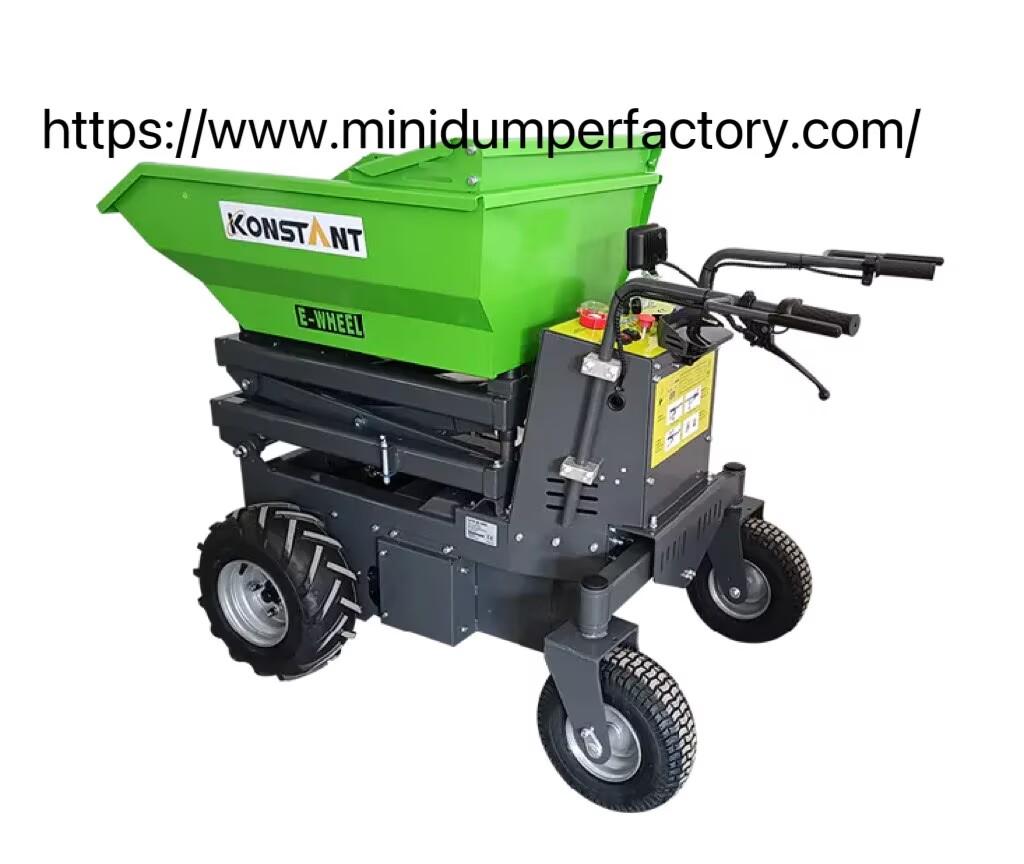
Mini Dumper Supplier selection involves more than requesting a quotation or reviewing product photographs. Importers, distributors, construction contractors, and equipment dealers need clear information about product configurations, manufacturing arrangements, order requirements, and support services. Asking specific questions at the beginning helps buyers understand what they are purchasing and whether the proposed equipment matches their intended applications.
Can the Manufacturer Explain Its Product Range?
Buyers should begin by understanding which models are available and how their configurations differ. A product catalogue may contain several options, but specifications should be reviewed according to actual working requirements.
Useful questions include:
Which models are available for different applications?
What payload options can be selected?
Are tracked and wheeled configurations available?
What are the overall dimensions of each model?
Which unloading methods can be provided?
These details help purchasing teams narrow down suitable options. For example, a contractor working in a confined construction area may have different access requirements from a landscaping business transporting materials across larger outdoor spaces.
Buyers should also request specification sheets rather than relying entirely on general product descriptions. Important information should be recorded in a document that both parties can review before confirming an order.
Which Technical Details Should Be Confirmed?
Technical information needs to match the working environment. Buyers should explain the materials being transported, expected workload, ground conditions, travel distance, and available operating space.
The manufacturer can then discuss relevant equipment characteristics, including engine or motor options, driving systems, steering arrangements, hopper dimensions, and unloading functions.
It is also important to clarify whether listed specifications refer to standard configurations or optional arrangements. Two products with similar appearances may have different components or operating capabilities.
For overseas purchases, buyers should identify the requirements of their destination market. Relevant documentation, labeling, and applicable regulations should be discussed before production begins. Any market-specific requirements should be verified against the actual model and its supporting documents.
How Can Buyers Understand the Manufacturing Process?
A purchasing team should understand how an order moves from confirmation to shipment. Buyers can ask about component sourcing, assembly arrangements, production planning, and inspection responsibilities.
Rather than accepting general statements about manufacturing capability, request practical information about the steps involved in preparing the selected model.
For example, purchasing teams may want to understand:
How are incoming components checked?
Which assembly stages receive inspection?
How are operating functions tested?
What happens when a product does not meet the agreed specifications?
Can inspection photographs or videos be provided?
For larger orders, buyers can prepare an inspection checklist before production. This document should identify the items requiring confirmation, making communication easier for both sides.
What Customization Options Can Be Discussed?
Customization is often relevant to distributors, rental businesses, and companies developing their own equipment brands. However, requirements should be clearly defined before a quotation is finalized.
Possible requests include exterior color, logo placement, nameplates, instruction manuals, packaging artwork, and selected accessories. Buyers should prepare logo files, reference images, and written instructions to reduce misunderstandings.
It is also useful to ask about minimum order quantities, additional costs, approval procedures, and production implications. If a sample or visual proof is required, both parties should agree on the approval process in advance.
Keeping an approved specification document can also help maintain consistency when arranging repeat purchases.
What Should Buyers Know About Spare Parts and Maintenance?
After-sales arrangements deserve attention before an order is placed. Equipment owners may need replacement components, maintenance instructions, or technical information during regular operation.
Ask whether the manufacturer can provide a spare parts list, component identification details, maintenance manuals, and ordering instructions. Buyers should also identify commonly replaced components and consider which items may need to be stocked locally.
For distributors, this information can support their own service planning. A clear process for identifying and requesting replacement components also makes communication more efficient when equipment is being used overseas.
Warranty conditions should be reviewed separately. Buyers need to understand the coverage period, applicable conditions, claim procedure, and information required when reporting a technical issue.
How Should Production and Shipping Arrangements Be Confirmed?
Order planning requires more than an estimated delivery date. Buyers should ask about production schedules, order quantities, payment arrangements, packaging methods, and shipping responsibilities.
Packaging details are particularly important for international transportation. Confirm package dimensions, protective materials, loading arrangements, and whether accessories or spare parts will be packed separately.
The required export documents should also be discussed according to the destination and agreed shipping terms. If customized labels or manuals are needed, these materials should be approved before the order reaches the final preparation stage.
All confirmed arrangements should be recorded in writing. This gives the purchasing team and manufacturer a shared reference throughout the transaction.
How Can Buyers Compare Different Offers?
When reviewing several quotations, buyers should make sure that the compared products have equivalent configurations. A lower quoted amount may reflect differences in included accessories, technical specifications, packaging, or service arrangements.
A practical comparison should cover:
Product model and configuration
Rated payload and dimensions
Power and driving systems
Included accessories
Customization requirements
Inspection arrangements
Spare parts and warranty conditions
Packaging and shipping details
This approach helps purchasing teams evaluate the complete order rather than focusing on the unit price alone. It can also make future negotiations and repeat purchasing more straightforward.Before contacting minidumperfactory, buyers can prepare their intended application, expected quantity, technical preferences, destination market, and customization requirements. Clear information makes it easier to discuss suitable configurations and purchasing arrangements. Businesses reviewing available models can visit https://www.minidumperfactory.com/product/ to examine product information and prepare their inquiries.

 Arabic
 French
 Spanish
 Portuguese
 Deutsch
 Turkish
 Dutch
 Italiano
 Russian
 Romaian
 Portuguese (Brazil)
 Greek