


From Magnetic Core to Final Assembly: Exploring EI Transformer Design
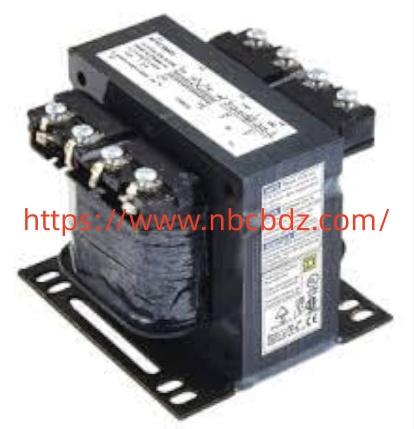
Transformers are often installed inside equipment where users rarely see them, yet their construction has a direct influence on how electrical systems operate. When evaluating products from an EI Transformer Factory, buyers should look beyond the familiar laminated core shape and consider the relationship between magnetic materials, winding conductors, insulation, and assembly quality. Each component has a specific responsibility, and the way these parts work together determines whether a transformer is suitable for its intended electrical environment. Understanding this relationship makes product selection more meaningful for equipment manufacturers, distributors, and engineering teams.
The magnetic core is central to the construction of an EI transformer. It is commonly assembled from shaped electrical steel laminations that guide magnetic flux through the transformer. The familiar arrangement of E-shaped and I-shaped pieces creates a practical magnetic path while supporting a compact structure. The quality of the steel, the consistency of the laminations, and the accuracy of their assembly all influence magnetic behavior. Clean surfaces and well-fitted core sections also contribute to a more controlled manufacturing result.
Winding materials are equally important. Copper and aluminum are commonly considered for transformer windings, with each offering different characteristics in terms of electrical conductivity, weight, processing, and cost. The appropriate choice depends on the intended application and the overall design. Beyond the conductor itself, winding arrangement matters because the positioning and consistency of the coils influence electrical performance and the relationship between primary and secondary circuits. Buyers should therefore evaluate the complete winding construction rather than treating conductor material as the only deciding factor.
Insulation materials provide another essential part of transformer construction. Insulating paper, films, bobbins, sleeves, and protective coatings help separate conductive sections and support electrical isolation. Their selection must correspond with the transformer's operating environment and design requirements. Manufacturing teams also need to ensure that insulation components are correctly positioned and handled during assembly. Inconsistent insulation work can affect product reliability, which is why material inspection and process control deserve attention throughout production.
Choosing an EI transformer should begin with the equipment in which it will operate. Buyers need to understand the electrical role of the component, the characteristics of the connected circuit, and the conditions surrounding installation. A transformer intended for an audio device may have different priorities from one used in industrial control equipment or household appliances. Space, mounting arrangements, operating environment, and the requirements of the wider electrical system should all be considered before confirming a product.
For procurement teams, supplier evaluation is also about communication and manufacturing consistency. Technical drawings, application descriptions, and reference samples help manufacturers understand what a project requires. Buyers can ask how materials are selected, how winding operations are controlled, and how finished products are inspected. Reviewing samples is useful because it provides an opportunity to examine the core assembly, terminal arrangement, insulation finish, and overall workmanship before moving forward with a purchasing decision.
The functional value of an EI transformer comes from electromagnetic induction. Alternating current in the primary winding produces a changing magnetic field in the core, which transfers energy to the secondary winding. This allows the transformer to provide an electrical output suited to the connected circuit. Depending on the design, an EI transformer may support voltage conversion, circuit isolation, or power supply functions in electronic and electrical equipment. Its role should always be matched to the requirements of the application rather than assumed from its external appearance.
Manufacturing technology helps translate the design into a consistent product. Core cutting, lamination arrangement, coil winding, insulation treatment, and final assembly all require appropriate process control. Automated equipment can support repeatable operations, while inspection systems help identify issues during production. Winding neatness, secure connections, proper insulation placement, and careful assembly are practical indicators that buyers can discuss with a manufacturer. Quality management is not a single final check; it involves attention to materials and workmanship throughout the production process.
The user experience of a transformer is reflected in the performance of the equipment it supports. For equipment manufacturers, a suitable transformer should integrate into the product without creating unnecessary installation difficulties. Terminal accessibility, mounting options, connection layout, and component positioning can affect assembly efficiency and later maintenance. Noise and vibration may also matter in applications where acoustic comfort is important. These considerations show why electrical performance and mechanical construction should be evaluated together.
Appearance may seem secondary for a component installed inside a device, but structural design still matters. The EI core arrangement gives the transformer a recognizable form, while its frame, mounting features, terminals, and protective covering influence how it fits into an assembly. A clear and orderly layout can make installation easier and help technicians identify connection points. Consistent finishing also reflects attention to manufacturing details, particularly when components are supplied for integration into branded equipment.
Ningbo Chuangbiao Electronic Technology Co., Ltd. develops and manufactures EI transformers alongside other transformer products, including toroidal, C-core, medical, audio, and industrial control types. The company describes its services as covering product design, material procurement, manufacturing, quality assurance, and customer support, with customization based on customer drawings or samples. Buyers interested in exploring its transformer range and discussing application requirements can visit https://www.nbcbdz.com/product/

 English
 Arabic
 French
 Spanish
 Portuguese
 Deutsch
 Turkish
 Dutch
 Russian
 Romaian
 Portuguese (Brazil)
 Greek