


Joinery Service in Manchester: Room-by-Room Guide to Bespoke Timber Work
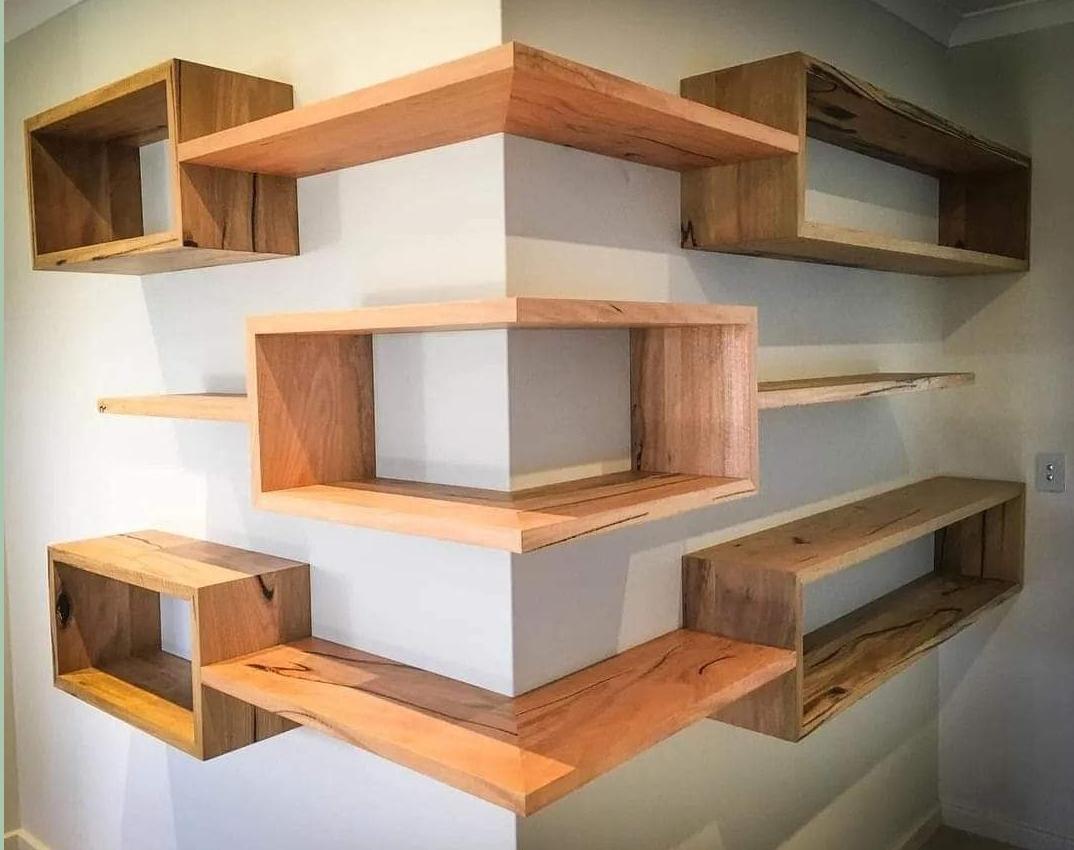
Timber work shapes the character of a home more than almost any other trade. Doors, stairs, shelving, window frames and built-in furniture are touched and used every day, so their quality is noticed every day too. A skilled joinery Service in Manchester creates these pieces to fit the exact space, the style of the property and the way the household actually lives.
This guide takes a room-by-room look at what bespoke joinery can do, how to choose the right timber and finish, and how to brief a joiner so the result matches what you imagined.
Why Bespoke Joinery Suits Manchester Homes
Manchester's housing stock is unusually varied. Red-brick Victorian terraces sit close to 1930s semis, new-build estates and converted warehouse apartments. Each of these comes with its own quirks, from out-of-square walls and deep chimney alcoves to high ceilings and exposed brickwork.
Standard Sizes Rarely Fit Older Rooms
Shop-bought furniture is designed for level floors and straight walls. In a period property, that often leaves awkward gaps, wasted corners and units that look slightly out of place. Made-to-measure pieces, by contrast, are scribed to the room, so they sit neatly against uneven surfaces.
Better Use of Limited Space
Many city homes are short on storage. Bespoke cabinets can run floor to ceiling, fill the space under the stairs or turn a sloping loft wall into a practical wardrobe. As a result, rooms feel larger and far less cluttered.
Built to Last
Well-made joinery uses sound timber, strong joints and quality hardware. While it usually costs more than flat-pack alternatives, it is designed to be repaired and refinished rather than replaced, which makes it a long-term investment in the property.
Room-by-Room Joinery Ideas
Every room has different demands, so the best joinery solution depends on how the space is used. The ideas below show where made-to-measure timber work tends to make the biggest difference.
Hallways and Staircases
The hallway sets the first impression of a home. A refurbished staircase, new handrail or replacement spindles can lift the whole space without major building work. Under-stair areas are also ideal for pull-out drawers, a coat cupboard or a compact home office.
Living Rooms
Chimney alcoves are a classic feature of Manchester terraces. Fitted shelving above low cupboards turns them into useful storage for books, media equipment and display pieces. Wall panelling and window seats can also add warmth and character while hiding cables or radiators.
Kitchens and Utility Rooms
In the kitchen, bespoke units can follow awkward walls, chimney breasts and sloping ceilings. Pantry cupboards, open shelving and integrated appliance housings help make the most of every centimetre. Utility rooms benefit in a similar way, especially when space for laundry, boots and cleaning supplies is tight.
Bedrooms and Lofts
Fitted wardrobes are one of the most requested joinery projects. In loft rooms, they can be shaped to follow the roof line, recovering space that freestanding furniture cannot use. Built-in headboards, bedside units and dressing tables can then complete the room with a consistent finish.
Home Offices
Remote working has made a dedicated workspace far more valuable. A joiner can build a desk, shelving and cable management into a spare room, alcove or landing. Doors on the units also allow the workspace to be closed away at the end of the day.
Bathrooms
Vanity units and boxing-in panels must handle steam and splashes. For that reason, bathroom joinery needs moisture-resistant boards, sealed edges and a durable finish. Good ventilation is equally important, since it protects timber from long-term damage.
Because each of these projects relies on accurate measuring, a professional Joinery Service in Manchester will normally survey the room before preparing a design or price.
Restoring Period Woodwork
Original joinery is part of what gives older homes their value and charm. Wherever possible, repairing period features is better than replacing them, as it keeps the character of the property intact.
Sash Windows
Traditional sash windows often stick, rattle or let in draughts after years of paint build-up and wear. A joiner can free the sashes, replace cords and splice in new timber where sections have decayed. Draught-proofing strips can then improve comfort without changing the window's appearance.
Panelled Doors and Architraves
Four-panel doors, moulded architraves and deep skirting boards are common in Victorian and Edwardian houses. When pieces are missing or damaged, a joiner can match the profile so new sections blend with the original work. This attention to detail is especially important in hallways, where every door is seen together.
Staircase Repairs
Creaking treads, loose spindles and worn handrails can usually be repaired rather than replaced. Keeping the original staircase also avoids unnecessary disruption, although any significant alterations should still be checked against current safety requirements.
Choosing the Right Timber
The timber you choose affects the appearance, durability and cost of the finished piece. The table below compares common options used in residential joinery.
|
Timber |
Appearance |
Typical uses |
Points to consider |
|
Oak |
Strong grain, warm golden tone |
Staircases, doors, worktops and furniture |
Hard-wearing and attractive, but usually a premium choice |
|
Ash |
Pale with a bold grain |
Contemporary furniture and shelving |
Not recommended for exterior use |
|
Walnut |
Rich, dark brown |
Feature pieces and fine furniture |
Generally costly, so often used selectively |
|
Sapele |
Reddish-brown with a fine stripe |
Doors, frames and window joinery |
A durable hardwood for both interior and exterior work |
|
Accoya (modified timber) |
Light, even colour |
External doors and windows |
Highly stable and resistant to rot |
|
Painted softwood or MDF |
Smooth painted finish |
Wardrobes, panelling and shelving |
MDF should be kept away from damp areas |
Selecting a Finish
The finish protects the timber and sets the final look, so it deserves as much thought as the wood itself.
Oils and Waxes
Oils soak into the grain and give a natural, low-sheen appearance. They are easy to refresh, which makes them ideal for worktops and furniture. However, they need occasional reapplication to stay protective.
Lacquers and Varnishes
These create a harder surface layer that resists marks and spills. They suit busy areas such as stairs, doors and office furniture, although damaged areas can be harder to repair invisibly.
Paint
A painted finish works well for fitted wardrobes, panelling and period-style shelving. Spray-applied paint gives the smoothest result, while hand-painted joinery is easier to touch up later. In either case, careful preparation and priming are essential.
Joinery for Businesses
Commercial spaces rely on joinery as well. Reception desks, retail displays, bar counters, office storage and wall panelling all help to communicate a brand while standing up to heavy daily use. A commercial Joinery Service in Manchester will typically focus on tough finishes, easy cleaning and installation schedules that limit disruption to trading.
How to Brief Your Joiner
A clear brief helps your joiner design the right piece and price it accurately. Before the first visit, it is worth preparing the following:
-
Purpose: What the piece must store, display or hide
-
Measurements: Rough sizes, plus any obstacles such as sockets, pipes or radiators
-
Style: Photos of designs, colours or handles you like
-
Material and finish: Natural timber, painted or a mix of both
-
Budget: A realistic range, so options can be adjusted early
-
Timing: Any deadlines, such as a house move or the end of other building work
After the survey, ask for drawings or a written specification. These should confirm sizes, materials, hardware, finish and any work excluded from the price.
Caring for Bespoke Joinery
Good maintenance keeps timber looking its best for years. Dust surfaces regularly with a soft cloth, wipe up spills quickly and avoid harsh cleaning sprays. Try to keep indoor humidity steady, because large swings can cause timber to swell, shrink or crack. Oiled surfaces will also need occasional re-oiling, while painted pieces can be touched up when chips appear.
Frequently Asked Questions
How Much Notice Does a Joiner Need?
It depends on the size of the project and the joiner's workload. Small repairs may be booked quickly, while bespoke furniture usually needs time for design, ordering materials and workshop making.
Can Joinery Be Fitted After Decorating?
It can, but fitting usually goes more smoothly before final decoration. Any small marks from installation can then be covered during painting.
Is Hardwood Always Better Than MDF?
Not always. Hardwood is stronger and suits natural finishes, whereas MDF gives a very smooth surface for painted pieces at a lower cost. The best choice depends on the location, the finish and your budget.
Can a Joiner Match Existing Woodwork?
In most cases, yes. Mouldings, skirting boards and door profiles can often be reproduced so that new sections blend with the original features.
Final Thoughts
Thoughtful joinery can make a home more practical, more personal and easier to live in. By planning each room carefully, choosing suitable timber and agreeing on a clear brief, you can enjoy woodwork that fits perfectly and lasts for many years.
If you are ready to discuss a joinery service in Manchester for your next project, The Renovation Experts provide made-to-measure joinery across Greater Manchester, with more than 15 years of experience, a written fixed price and a 12-month workmanship guarantee.

 English
 Arabic
 French
 Spanish
 Deutsch
 Turkish
 Dutch
 Italiano
 Russian
 Romaian
 Portuguese (Brazil)
 Greek