


RHFAC Certification Readiness: Prepare Your Building for Review
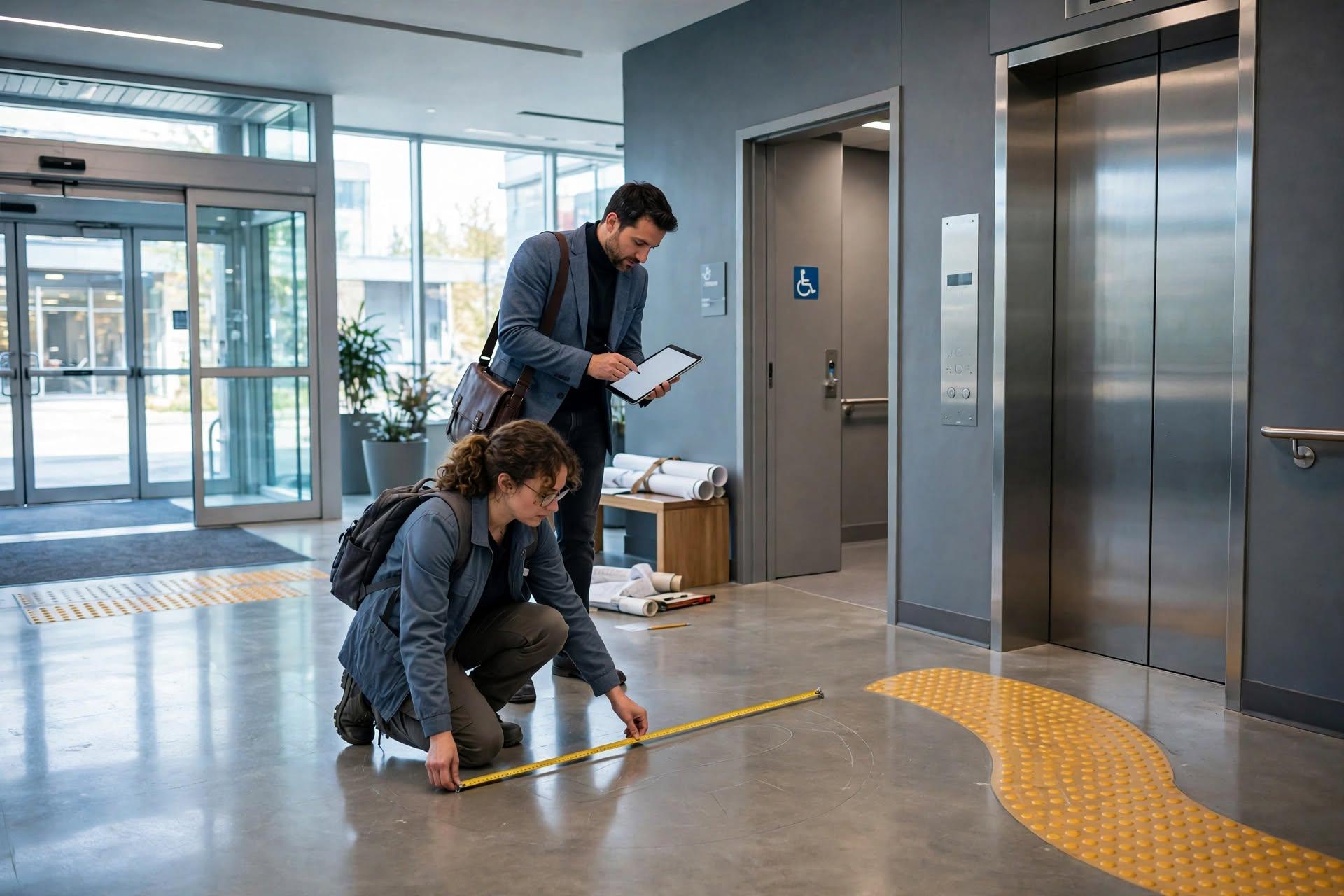
Strong RHFAC certification readiness depends on two things: a building that meets the requirements and a team that knows how to keep it that way. Small gaps in routes, signage, evidence and daily habits can add up quickly at review. This guide shows how a readiness review and team training work together before you submit.
What the Readiness Review Covers
Vortex Access undertakes certification readiness reviews to assess whether a design, completed development or existing facility is prepared for accessibility certification, authority review or project-specific approval. That can include requirements linked to local accessibility schemes, certification frameworks, client standards or jurisdiction-specific obligations.
A review typically includes:
-
A review of the applicable certification or authority requirements
-
A desktop review of drawings, checklists and supporting documents
-
A site readiness review, where applicable
-
Identification of missing information or evidence
-
Identification of non-compliances and approval risks
-
Practical recommendations before formal submission or inspection
The work also includes support in organising evidence, drawings and compliance records, so the paperwork is ready when the reviewer asks for it.
Where Gaps Can Appear
The assessment identifies potential gaps in accessible routes, entrances, parking, toilets, vertical circulation, signage, wayfinding, service areas, emergency provisions and supporting documentation. Some of these are physical features that can be checked on drawings or on site. Others, such as service areas, emergency provisions and documentation, depend on how a facility is run and recorded.
That mix matters for RHFAC certification. A desktop review of drawings can confirm what was designed, while a site readiness review, where applicable, shows what is actually in place. Together they give you a fuller picture than either one alone.
Finding non-compliances and approval risks at this stage, with practical recommendations before formal submission or inspection, helps reduce late-stage redesign.
Training Closes the Gap Between Design and Daily Use
Accessible environments depend not only on good design but also on people who understand how to implement, manage and maintain accessibility. Vortex Access provides accessibility training and capacity building for developers, consultants, contractors, facility managers, front-of-house staff, operations teams and project stakeholders.
The training helps teams understand accessibility requirements, universal design principles, disability awareness, user needs and practical barrier identification. It can be tailored for design teams, construction teams, audit teams or operational staff. Topics may include:
-
Built environment accessibility
-
People of Determination (persons with disabilities) awareness
-
Inclusive customer service
-
Accessible communication
-
Common non-compliance issues
-
Accessible facilities management
-
Assisted evacuation considerations
Combining Both Before You Submit
Start with the review to learn what your project must show, then use training so the people responsible can deliver it. Pairing accessibility training and capacity building with a readiness review means the findings are understood by the teams who will act on them. A simple order of work helps: confirm the requirements, close the gaps the review identifies, organise the evidence and brief the people who run the space.
The stated objective of the training is to strengthen internal capability, reduce repeated accessibility errors and help organisations provide safer, more inclusive and more usable environments over time. Reducing repeated errors is central to RHFAC certification readiness, because the same mistake across several areas multiplies approval risk.
Team members who want a recognised credential can also prepare for the CPACC exam through Vortex Access training. The firm lists IAAP CPACC and Rick Hansen Foundation Accessibility Certification among its accreditations.
Conclusion
A building ready for review and a team ready to maintain it make a stronger case than either does alone. Confirm your requirements, close the gaps the review finds and train the people who will carry the work forward. If you are planning your next step, exploring accessibility training and capacity building alongside your readiness work is a sensible place to start.
FAQs
1. What does a certification readiness review assess?
Whether a design, completed development or existing facility is prepared for accessibility certification, authority review or project-specific approval.
2. Which areas does it check for gaps?
Accessible routes, entrances, parking, toilets, vertical circulation, signage, wayfinding, service areas, emergency provisions and supporting documentation.
3. Who can attend the training?
Developers, consultants, contractors, facility managers, front-of-house staff, operations teams and project stakeholders.
4. Can the training be tailored?
Yes. It can be tailored for design teams, construction teams, audit teams or operational staff.

 English
 Arabic
 French
 Spanish
 Portuguese
 Deutsch
 Turkish
 Dutch
 Italiano
 Russian
 Romaian
 Portuguese (Brazil)