


What Is a Skin Hair System and What Makes It Different From Other Bases?
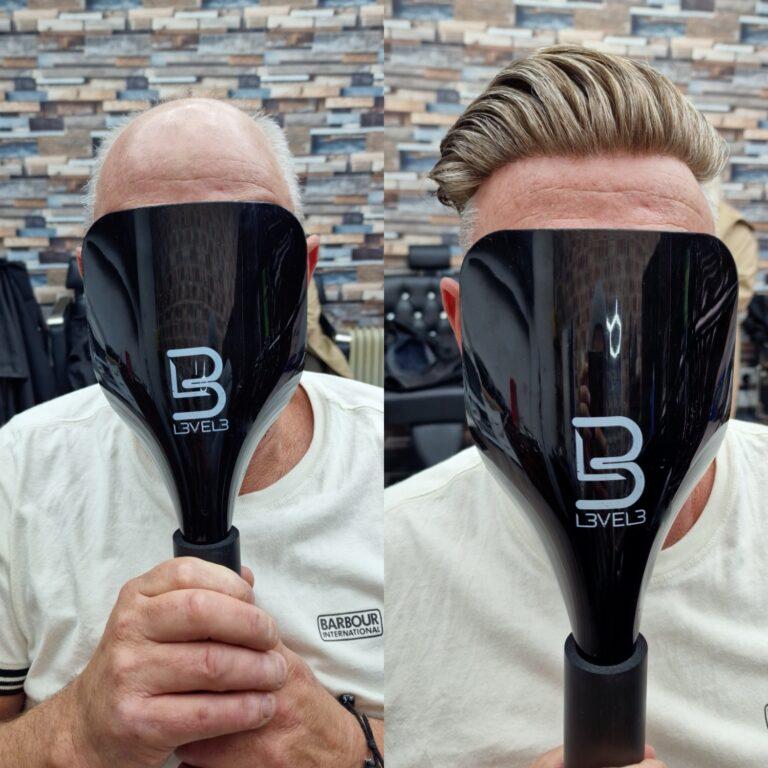
When choosing a men's hair replacement system, the base material is one of the most important decisions to consider. It affects how the system looks, feels, attaches to the scalp and performs during everyday use. Among the available options, skin hair systems are popular because their base is designed to create the appearance of hair growing directly from the scalp.
However, skin systems are not the only option. Lace, monofilament and hybrid bases offer different features, and each has its own advantages and limitations. Understanding these differences can help men choose a system that suits their hairstyle, comfort requirements and maintenance routine.
If you are considering non-surgical hair replacement, learning how a skin hair system works can help you make a more informed decision. This guide explains its construction, common types, benefits, limitations and differences from other base materials.
What Is a Skin Hair System?
A skin hair system is a type of hair replacement system made with a thin polyurethane base. Polyurethane is a flexible material that can be manufactured in different thicknesses. The base sits against the scalp and is designed to create a smooth surface beneath the replacement hair.
The material is often called a skin base because its appearance can resemble the scalp when it is properly fitted. Hair is attached to the polyurethane using different techniques, depending on the system's construction.
Some skin systems use V-looped hair, where individual strands are placed through the base in a way that reduces the appearance of traditional knots. Others use injected hair or different attachment methods. The exact construction varies between manufacturers and products.
One reason men consider skin systems is their potential to create a realistic appearance, particularly around the front hairline. However, the final result depends on more than the base material. Hair density, colour, direction, hairline design and professional fitting all play an important role.
How Is a Skin Hair System Made?
A skin hair system begins with a polyurethane base that is designed to sit against the scalp. The material is produced in a particular thickness and shape according to the system's intended use.
The hair is then attached to the base using a suitable construction technique. In a V-looped system, hair strands are inserted through the polyurethane so that they emerge from the surface without the same traditional knot structure used in many lace systems.
Some systems use injected hair, where strands are placed into the base to create a particular growth direction and appearance. The method used affects how the hair sits, how the base looks and how the system can be styled.
The thickness of the polyurethane also matters. Very thin skin bases can provide a discreet appearance, while thicker versions may feel more substantial. Neither option is automatically better for everyone. The choice depends on the desired appearance, durability expectations and maintenance requirements.
Once the hair has been attached, the system is prepared for fitting. It may need trimming, shaping and blending to suit the wearer's head and preferred hairstyle.
Different Types of Skin Hair Systems
Skin hair systems are available in different thicknesses and constructions. Understanding these variations is useful because the term "skin system" does not describe one single design.
Ultra-Thin Skin Systems
Ultra-thin skin systems use a very fine polyurethane base. Their main appeal is the discreet appearance they can provide when placed against the scalp.
Because the material is thin, the edge may be less noticeable when the system is correctly fitted. This can be useful for men who prefer short hairstyles or styles that expose the front hairline.
However, a very thin base needs careful handling. Pulling, rough cleaning and incorrect removal may damage the material. Its lifespan also depends on the quality of the system, attachment method and how regularly it is worn.
Ultra-thin skin should therefore be considered by men who are comfortable following careful maintenance instructions.
Thin Skin Systems
Thin skin systems offer a balance between a relatively discreet appearance and a slightly more substantial base. They can be suitable for men who want a natural-looking finish without choosing the thinnest available material.
Their performance depends on the particular product. Some may be suitable for regular wear, while others require more careful handling.
It is important to check the manufacturer's guidance rather than assuming that all thin skin systems have the same level of flexibility or durability.
Thicker Skin Systems
Thicker polyurethane systems have a more substantial base. They may be easier to handle during certain fitting and cleaning processes, depending on their construction.
However, a thicker base can be more noticeable at the edge, particularly if the hairline is exposed. It may also feel different from a very thin system when worn.
Some men may prefer this type of base because of its handling characteristics, while others may prioritise a thinner appearance. The decision should be based on the intended hairstyle and personal comfort.
What Makes Skin Hair Systems Different From Lace Bases?
Lace and skin are two commonly discussed base materials in men's hair replacement. Although both can support a natural-looking result, their construction and wearing characteristics are different.
Appearance
A skin base provides a smooth surface against the scalp. Depending on its thickness and hair attachment method, it can create the appearance of hair emerging directly from the scalp.
Lace systems use a fine mesh structure. The material allows hair to be attached through small openings, usually using knots or other hand-tied techniques. High-quality lace can look very natural, although the mesh and attachment points may be visible under certain conditions.
The better option depends on the hairstyle, hairline design and quality of construction. A skin base is not automatically more natural than lace, and a well-designed lace system can also provide an excellent finish.
Breathability
Lace bases have an open mesh structure that allows air to pass through the material. This can make them appealing to men who prioritise ventilation.
Skin bases are generally less open because polyurethane forms a continuous surface. As a result, they may not provide the same airflow as lace.
For someone who exercises frequently or experiences considerable sweating, breathability may be an important consideration. However, comfort also depends on scalp preparation, attachment products, climate and individual skin sensitivity.
Cleaning and Maintenance
Skin systems have a smooth surface that can make adhesive residue easier to see and access during cleaning. However, adhesive removal still needs to be done carefully to avoid stretching or damaging the material.
Lace systems require attention to the mesh and knots during cleaning. Adhesive residue can collect around the openings, so unsuitable cleaning methods may affect the base or hair attachment.
Neither material is maintenance-free. The correct process depends on the construction and adhesive used.
Durability
The lifespan of a hair system depends on several factors, including material thickness, hair quality, frequency of wear, attachment method and handling.
Very thin skin systems can be delicate and may be more vulnerable to tearing if handled roughly. Thicker skin systems may be easier to handle in some situations, but this does not guarantee a longer lifespan.
Lace systems can also wear out through repeated cleaning, stretching or damage to the mesh. It is therefore better to compare the care requirements of individual systems rather than assuming one base will always last longer.
How Is a Skin Base Different From Monofilament?
Monofilament is another material used in hair replacement systems. It is generally made from a fine mesh-like material that provides a supportive structure for attaching hair.
Unlike polyurethane, monofilament is not a smooth, continuous surface. Its construction allows air to pass through the base, which can be helpful for ventilation.
Monofilament systems are often selected for their balance of support and practical wear. Depending on the design, they may have a different feel and appearance from both lace and skin systems.
The main difference is the structure of the material. Skin creates a smooth base, while monofilament uses a mesh construction. The hair attachment method and finishing also influence how natural the final result looks.
What Are Hybrid Hair System Bases?
Hybrid hair systems combine more than one base material within the same design. For example, a system may use a lace section for ventilation and a polyurethane perimeter for attachment.
The purpose is to bring together selected features of different materials. A wearer may want the airflow associated with lace while also preferring the smooth perimeter of a skin base.Men exploring non-surgical hair replacement can find further information at https://www.londonhairreplacement.co.uk/.
Hybrid construction can be useful when different areas of the system have different requirements. However, the quality of the design and the way the materials are joined are important.
A hybrid system should not be selected simply because it combines two materials. It needs to suit the person's scalp, preferred hairstyle, attachment method and maintenance routine.
Benefits of Choosing a Skin Hair System
One of the main reasons men consider a skin hair system is its smooth base. When the material and hairline are properly selected, the system can create a discreet appearance against the scalp.
Skin systems can also offer different styling possibilities. Depending on the hair attachment technique, the hair may be arranged in a particular direction or styled to expose parts of the front hairline.
Another practical feature is the smooth surface. It can make certain cleaning tasks more straightforward because adhesive residue is easier to identify on the base.
The availability of different thicknesses also gives men some choice. Someone prioritising a discreet edge may consider a thinner option, while another person may prefer a more substantial material.
These benefits should be considered alongside the limitations of the system. The most suitable base is the one that works with the wearer's daily routine rather than simply having the most appealing features on paper.
Limitations of Skin Hair Systems
Although skin bases offer useful features, they are not suitable for every wearer.
One limitation is breathability. Because polyurethane forms a continuous surface, it generally allows less airflow than an open lace base. Men who sweat heavily may need to consider this before choosing a skin system.
Very thin skin bases can also require careful handling. Pulling at the material during removal or using unsuitable cleaning products may cause damage.
Another consideration is the front edge. A thicker polyurethane base may be more visible if the hairline is exposed. The edge needs to be selected and fitted carefully to suit the intended hairstyle.
Adhesive compatibility is also important. Not every adhesive or tape is suitable for every base material. Using the wrong product can affect attachment and may damage the system.
Men with sensitive scalps should also pay attention to the adhesive and scalp preparation process. If irritation develops or continues, it is sensible to stop using the suspected product and seek advice from a healthcare professional.
How to Choose the Right Skin Hair System Thickness
The thickness of a skin base should be chosen according to the wearer's priorities. It is not simply a matter of selecting the thinnest available option.
Men who want a discreet front edge may prefer an ultra-thin base, particularly if they intend to wear their hair away from the forehead. However, they should be prepared to handle it carefully and follow the recommended maintenance process.
A slightly thicker base may be more appropriate for someone who prefers a more substantial material or wants a system that is easier to handle during certain maintenance tasks.
The hairstyle should also influence the decision. A short haircut may expose more of the system's edge, while a longer style may cover it. The intended attachment method and frequency of wear should also be discussed before making a choice.
A professional assessment can help compare the available options and explain the practical differences.
Is a Skin Hair System Suitable for Everyday Wear?
A skin hair system can be worn as part of an everyday routine, provided its construction, attachment method and maintenance requirements suit the wearer.
The experience will depend on the base thickness, scalp conditions, adhesive and daily activities. Someone who spends long hours outdoors or exercises regularly may have different requirements from someone with a less active routine.
It is important to follow the manufacturer's instructions for attachment, cleaning and removal. Wearing a system for longer than recommended or neglecting scalp hygiene can cause avoidable problems.
Regular checks can also help identify lifting edges, adhesive build-up or changes in the condition of the base. Maintenance should be planned according to the system's needs rather than following a fixed schedule that may not suit everyone.
Why Professional Fitting Is Important
Choosing a base material is only one part of getting a suitable hair replacement system. The system also needs to fit the head correctly, match the surrounding hair and work with the preferred hairstyle.
A professional can assess the required coverage, discuss different base options and explain the practical differences between skin, lace and hybrid designs.
The fitting process should also consider hairline position, density, colour and direction. These details influence the finished appearance just as much as the base material.
Details about men's hair replacement services and fitting options are available at https://www.londonhairreplacement.co.uk/hair-replacement-for-men-london/.
Before choosing a system, it is worth asking how the base should be cleaned, which adhesives are suitable and how often professional maintenance may be required. Clear answers can help avoid problems after fitting.
Final Thoughts
A skin hair system uses a polyurethane base designed to sit smoothly against the scalp. It can provide a discreet appearance and offers different construction options, including V-looped and injected hair.
Its main differences from lace and monofilament systems relate to material structure, breathability, cleaning and handling. Skin bases can be suitable for men who prioritise a smooth finish, while lace and hybrid systems may be more appropriate for those with different ventilation or maintenance requirements.
There is no universal best base for every man. The right choice depends on the hairstyle, scalp needs, daily activities and willingness to follow the recommended care routine. Understanding these differences before fitting can make it easier to select a system that looks appropriate and feels practical to wear.

 English
 French
 Spanish
 Portuguese
 Deutsch
 Turkish
 Dutch
 Italiano
 Russian
 Romaian
 Portuguese (Brazil)
 Greek