


Understanding 3D Printing Technology, Costs and Buying Options
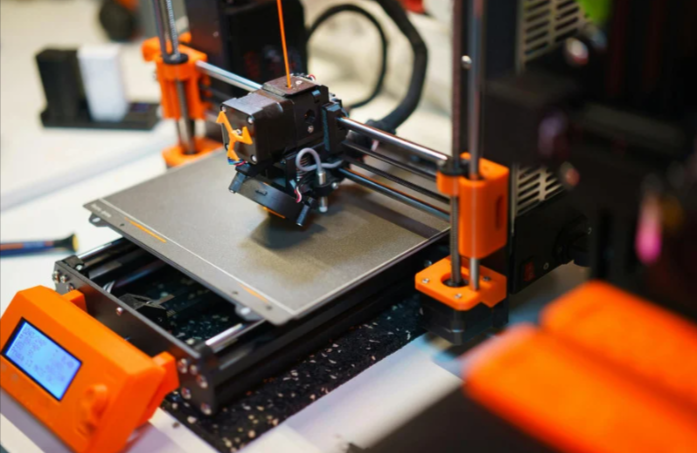
A 3D printer has changed the way individuals, designers, engineers and businesses turn digital ideas into physical objects. What once required complex manufacturing processes can now be achieved with a machine that builds objects layer by layer. From product prototypes and engineering components to decorative models and customised accessories, 3D printing has become a useful technology across many industries.
Whether you are a student exploring a new technology, a business owner looking to improve product development or a professional interested in creating detailed models, understanding how 3D printing works can help you make a better purchasing decision.
However, choosing the right machine involves more than selecting a model based on its appearance or advertised features. You should understand the printing technology, materials, print quality, maintenance requirements and overall investment. This guide explains the essential points to consider before buying a 3D printer.
What Is 3D Printing?
3D printing is a manufacturing process in which a three-dimensional object is created from a digital design. Instead of cutting material away from a larger block, the printer builds the object by adding material in successive layers.
The process usually begins with a digital 3D model created using computer-aided design (CAD) software or downloaded from a compatible design platform. The model is then prepared using slicing software, which converts the design into instructions that the printer can understand.
Once the instructions are sent to the machine, the printer starts producing the object layer by layer. Depending on the technology, it may use plastic filament, liquid resin or other specialised materials.
This approach makes it possible to create customised products, test designs and produce components without always relying on traditional manufacturing methods.
How Does a 3D Printer Work?
Although different machines use different printing technologies, the general workflow is similar.
1. Create or Select a Digital Model
The first step is to prepare a 3D design. You can create your own model using CAD software or select a ready-made design from an online model library.
The quality of the digital model can influence the final print. A properly designed file helps reduce errors during printing.
2. Prepare the File Using Slicing Software
A 3D model usually needs to be converted into machine-readable instructions. Slicing software divides the model into thin horizontal layers and generates the printing path.
Users can adjust several settings, including:
-
Layer height
-
Printing speed
-
Infill percentage
-
Support structures
-
Wall thickness
-
Temperature settings, where applicable
These settings affect the appearance, strength and printing time of the finished object.
3. Select the Printing Material
The material depends on the machine and the intended application. Filament-based printers commonly use materials such as PLA, PETG and ABS, while resin-based machines use liquid photosensitive resin.
Selecting the correct material is important because different materials have different properties, handling requirements and printing characteristics.
4. Start the Printing Process
After preparing the file and material, the printer follows the instructions generated by the slicing software. It builds the object layer by layer until the complete model is produced.
5. Complete Post-Processing
Some prints are ready for use after printing, while others need additional work. This may include removing support structures, sanding, cleaning, curing or finishing.
The post-processing requirements depend on the printing technology, material and intended application.
Different Types of 3D Printing Technologies
Before purchasing a machine, it is useful to understand the main printing technologies available.
FDM 3D Printing
Fused Deposition Modelling (FDM), also commonly called Fused Filament Fabrication (FFF), is one of the most widely used forms of 3D printing.
It works by heating a thermoplastic filament and depositing it through a nozzle. The material cools and solidifies to form each layer of the object.
FDM printing is commonly used for:
-
Product prototypes
-
Mechanical components
-
Educational projects
-
Functional models
-
Storage accessories
-
Custom household objects
It is often a practical option for beginners and users who need to produce larger functional parts.
Resin 3D Printing
Resin printing uses liquid photosensitive material that hardens when exposed to a suitable light source. This technology is popular for applications that require fine details and smooth surface finishes.
It is commonly used for miniatures, jewellery prototypes, dental models and detailed product designs.
Resin printing also requires suitable handling, cleaning and curing procedures. Users should follow the manufacturer's safety instructions when working with liquid resin.
Other Industrial Printing Technologies
Industrial 3D printing includes several specialised technologies designed for particular materials and applications. These may include powder-based systems and advanced polymer or metal printing processes.
Such machines are generally selected according to production requirements, material compatibility and the level of precision needed.
What Determines the 3D Printer Cost?
One of the first questions buyers ask is how much they should invest in a machine. The 3D printer cost depends on several factors, so comparing machines only by their initial price may not provide a complete picture.
Printing Technology
FDM and resin machines use different mechanisms and materials. Their prices can vary depending on their capabilities, size and intended applications.
A basic desktop printer may be suitable for learning and simple projects, while a specialised machine may be necessary for professional or industrial work.
Build Volume
Build volume refers to the maximum dimensions of an object that a printer can produce in one printing job.
A larger build volume can be useful for users who regularly print bigger objects. However, a larger machine may also require more workspace and a higher investment.
Print Resolution and Accuracy
Resolution and accuracy are important when the final object needs fine details or precise dimensions.
For example, a user creating decorative miniatures may prioritise fine detail, while someone producing functional components may focus more on dimensional accuracy and material performance.
Automation and Smart Features
Some modern printers include features that simplify everyday operation. Depending on the model, these may include automatic bed levelling, filament detection, remote monitoring, assisted calibration and automated maintenance functions.
Such features can improve convenience, particularly for users who print frequently.
Material Compatibility
A machine that supports a wider range of materials may provide more flexibility for different applications. However, material compatibility should always be checked against the manufacturer's specifications.
Maintenance and Operating Expenses
The purchase price is only one part of the total investment. Users should also consider replacement nozzles, build plates, resin tanks, filters, cleaning supplies and other consumables where applicable.
Regular maintenance can help maintain consistent printing performance and reduce avoidable downtime.
Understanding the 3D Printer Price in India
The 3D printer price in india can vary considerably depending on the brand, technology, specifications and included accessories.
A beginner-friendly desktop machine may have a different price range from a professional printer designed for detailed or continuous production work. Resin printers, filament printers and specialised systems should also be compared separately because their operating requirements differ.
Before selecting a model, consider the following questions:
-
What type of objects do you plan to print?
-
Do you need detailed models or functional components?
-
What maximum print size will you require?
-
How frequently will the printer be used?
-
Which materials are compatible with the machine?
-
Is technical support available?
-
Are replacement parts and consumables accessible?
It is also worth checking whether the listed price includes essential accessories, software, warranty coverage and applicable taxes. Ask the seller for a current quotation because product prices and availability may change.
Applications of 3D Printing Across Different Industries
3D printing is no longer limited to hobby projects. It is used in several industries because it supports customisation, rapid prototyping and the production of specialised parts.
Education
Schools, colleges and technical institutes use 3D printers to introduce students to design, engineering and manufacturing concepts.
Students can create models of buildings, machines, scientific structures and other learning materials. This makes complex concepts easier to understand through practical demonstrations.
Engineering and Manufacturing
Engineers use 3D printing to test product designs before moving towards larger-scale production.
Prototypes can help teams identify design problems, examine component fit and make improvements during product development.
Healthcare and Dentistry
Specialised 3D printing applications include anatomical models, dental models and certain customised medical components. The technology used depends on the required material, accuracy and regulatory requirements.
Architecture and Interior Design
Architects and designers can create physical models of buildings, layouts and decorative elements. These models help clients understand designs more clearly than digital images alone.
Automotive and Aerospace
Automotive and aerospace companies use additive manufacturing for prototyping, specialised components, tooling and selected production applications.
Material properties, testing requirements and industry standards are important when producing parts for these sectors.
Jewellery and Creative Design
Detailed printing technologies can help jewellery designers develop prototypes and explore complex shapes before final production.
Artists and creative professionals also use 3D printing to produce sculptures, miniature models and customised objects.
How to Choose the Right 3D Printer
Selecting a suitable printer becomes easier when you start with your actual requirements instead of focusing only on brand names.
Identify Your Main Purpose
A beginner learning 3D printing may need a simple machine with an easy setup process. A designer producing detailed miniatures may prefer a resin-based system, while an engineering workshop may require a printer capable of producing functional parts.
Check the Technical Specifications
Compare build volume, supported materials, printing speed, resolution, connectivity and software compatibility.
Avoid choosing a machine based on a single specification. A high printing speed, for example, does not automatically mean that the machine will provide the best results for every application.
Consider Ease of Use
Beginners may benefit from features such as assisted calibration, guided setup and clear software instructions.
Experienced users may prefer greater control over printing parameters and material settings.
Review After-Sales Support
Technical support is an important consideration, especially if the machine will be used regularly.
Before purchasing, ask about warranty conditions, troubleshooting assistance, replacement parts and the availability of consumables.
Compare the Complete Investment
Include the cost of materials, accessories, maintenance and post-processing equipment in your comparison.
This approach gives you a more realistic understanding of what operating the printer will involve.
Why Buy from a Specialist 3D Printing Supplier?
Buying from a specialist supplier can make the selection process easier, particularly if you are new to the technology.
A knowledgeable supplier can help you understand the differences between machine types, check material compatibility and identify a model that matches your application.
Hydrotech 3D Chennai offers a range of 3D printing products and related materials through its online store. Buyers can explore the available printer categories, compare product specifications and contact the supplier for assistance with current availability and product-related questions.
You can browse the available machines at https://www.hydrotech3dchennai.com/3d-printers.
Common Mistakes to Avoid When Buying a 3D Printer
A few common mistakes can lead to unnecessary expenses or an unsuitable purchase.
Choosing only by price: A low-priced printer may not offer the features or build quality required for your projects.
Ignoring material requirements: Not every printer supports every type of filament or resin. Always check compatibility.
Overlooking workspace: Consider the machine's dimensions, ventilation requirements and space needed for accessories.
Expecting every print to be perfect: Printing results depend on the design, material, machine settings and maintenance.
Ignoring post-processing: Some printing technologies require additional equipment and safety precautions after the object has been printed.
Not checking support options: Access to technical assistance and replacement components can be valuable over the long term.
Frequently Asked Questions About 3D Printing
1. What is a 3D printer used for?
A 3D printer is used to create physical objects from digital designs. Common applications include prototyping, educational models, engineering parts, architectural models, miniatures and customised products.
2. Is 3D printing suitable for beginners?
Yes. Many desktop printers are designed for beginners. However, users should learn the basic setup process, slicing software, material handling and routine maintenance.
3. What is the difference between FDM and resin printing?
FDM printing deposits heated thermoplastic filament through a nozzle, while resin printing hardens liquid photosensitive material using light. FDM is commonly used for functional and larger parts, whereas resin printing is often selected for detailed models.
4. Does a 3D printer require special software?
Yes. Most 3D printing workflows require slicing software to convert a digital model into instructions for the printer. Some manufacturers provide their own software, while others support compatible third-party applications.
5. How long does it take to print an object?
Printing time depends on the object's size, geometry, layer height, material, printing speed and machine settings. Small models may take a short time, while larger or more complex objects can take several hours or longer.
6. Is 3D printing expensive to operate?
Operating expenses depend on the machine, materials, electricity consumption, replacement parts and maintenance. The total cost should be considered alongside the initial purchase price.
7. Can a 3D printer produce strong functional parts?
Yes, depending on the printer, material, design and printing settings. The final strength and suitability of a component should be evaluated for its intended use.
8. What should I check before purchasing a 3D printer?
Check the printing technology, build volume, supported materials, print quality, software, ease of use, warranty, technical support and ongoing operating expenses.
9. Can one printer be used for different projects?
Many printers can support a variety of projects, provided the materials and technical specifications are suitable. However, a machine designed for a specific application may not be ideal for every type of printing.
10. Where can I explore 3D printers in Chennai?
You can explore the available product range at Hydrotech 3D Chennai's online store. Review the product specifications and contact the supplier to confirm current availability and suitability for your requirements.
Conclusion
3D printing offers an accessible way to turn digital designs into physical products. It supports learning, product development, creative work and specialised manufacturing across many industries.
The right machine depends on what you want to create, the materials you plan to use, the required print quality and your available budget. By comparing specifications and considering long-term operating requirements, you can make a more informed purchasing decision.
If you are exploring 3D printing solutions, visit Hydrotech 3D Chennai to browse its available machines and related products. Take time to compare the options and choose a printer that supports your projects and future requirements.

 English
 Arabic
 French
 Spanish
 Portuguese
 Deutsch
 Turkish
 Italiano
 Russian
 Romaian
 Portuguese (Brazil)
 Greek