


A Step-by-Step Guide to the Customs Clearance Process for Importers
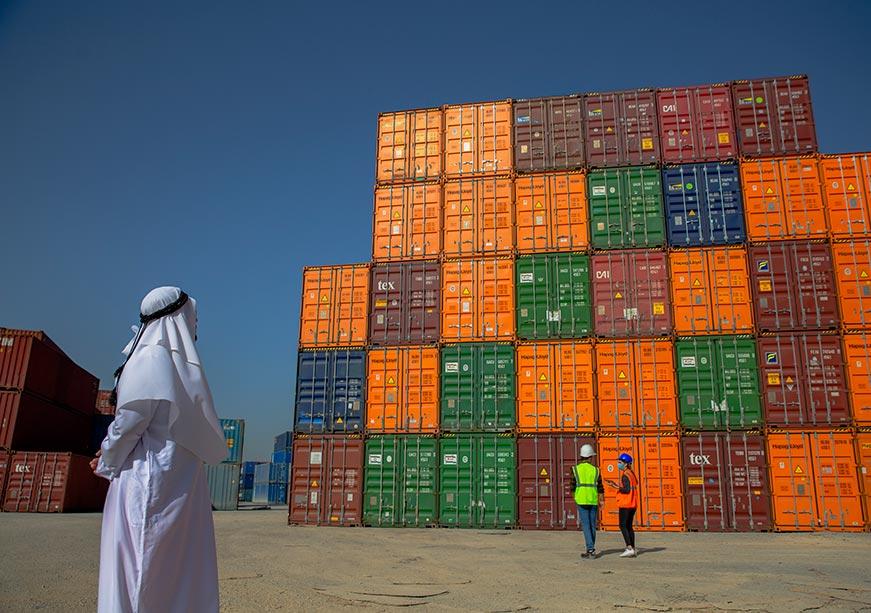
Customs clearance is one of the most important stages of international shipping. When goods arrive in a country, they cannot simply be collected from the port and delivered to the buyer. They must first pass through the required customs procedures, documentation checks and duty assessments. For importers, understanding this process can help prevent unnecessary delays, avoid additional charges and ensure that shipments are released smoothly.
For businesses importing goods into Pakistan, customs clearance involves several steps, from preparing documents before shipment to submitting the import declaration, paying applicable duties and receiving permission to collect the cargo. The exact requirements depend on the type of goods, their classification, value and applicable import regulations.
Importers can also benefit from planning their shipping arrangements in advance. Reliable logistics coordination helps connect suppliers, shipping companies, customs representatives and transport providers. Businesses looking for international shipping and logistics information can visit https://nobleline.ae/ to explore available services.
Step 1: Understand the Import Requirements
The customs clearance process should begin before goods leave the exporting country. Importers first need to understand the rules that apply to the products they intend to bring into Pakistan.
Different products may have different import conditions. Some goods can be imported through standard commercial procedures, while others may require licences, permits, inspection certificates or approval from relevant authorities. Certain products may also be restricted or prohibited under applicable policies.
Importers should confirm the correct Harmonized System (HS) code for their goods. This code is used to classify products for customs purposes and helps determine the applicable duties, taxes and regulatory requirements. Using an incorrect classification can lead to reassessment, penalties or delays.
It is also important to check the latest import policies and procedures before confirming an order. Requirements can change, so businesses should avoid relying on outdated information or assumptions based on previous shipments.
Step 2: Verify the Supplier and Shipment Details
Once the import requirements are understood, the next step is to confirm the order with the overseas supplier. Importers should make sure that the product description, quantity, price, packaging and delivery arrangements are clearly agreed upon.
The supplier should provide accurate commercial information because customs authorities use shipment documents to assess the imported goods. Any differences between the actual cargo and the declared information can create complications during clearance.
Businesses should also agree on the shipping terms with the supplier. Incoterms explain which party is responsible for transportation, insurance, export formalities and other costs at different stages of the shipment.
Before dispatch, the importer should confirm the expected shipment date, destination port, cargo details and documents that the supplier will provide. This preparation helps the customs clearance process begin with fewer missing details.
Step 3: Prepare the Required Customs Documents
Documentation is a central part of customs clearance. Importers should collect and review the required paperwork before the shipment reaches Pakistan.
The commercial invoice contains information about the seller, buyer, goods, quantity and transaction value. It is an important document for customs valuation and assessment.
The packing list provides details about the number of packages, packaging type, gross weight, net weight and dimensions. It helps customs officials and cargo handlers identify the shipment.
For sea freight, the Bill of Lading serves as an important transport document. It records shipment details and provides evidence of the contract of carriage. Depending on the shipping arrangement, the importer may receive a Master Bill of Lading or a House Bill of Lading.
A certificate of origin may also be required to confirm where the goods were manufactured or produced. Other documents can include insurance certificates, import permits, inspection certificates and product-specific approvals.
The required documents depend on the nature of the goods and the applicable regulations. Importers should make sure that names, addresses, quantities, descriptions and shipment references are consistent across all paperwork.
Step 4: Arrange Shipment and Track Cargo Movement
After the documentation and commercial arrangements are confirmed, the supplier can dispatch the goods. The shipment may move by sea, air or road, depending on the cargo and agreed transportation method.
Sea freight is commonly used for larger commercial shipments, machinery, raw materials and containerised cargo. Businesses can choose Full Container Load (FCL) when they need an entire container or Less than Container Load (LCL) when their cargo shares container space with other shipments.
During transportation, importers should remain in contact with their supplier and logistics provider. They should obtain shipment updates and confirm the expected arrival date.
Tracking cargo movement is important because it gives businesses time to prepare customs documents, coordinate with their clearing agent and arrange payment of applicable duties and charges. Waiting until the shipment arrives can create avoidable pressure and increase the risk of delays.
Step 5: Submit the Import Declaration
Once the shipment details and required documents are available, the importer or authorised customs representative can proceed with the import declaration through the applicable customs system.
The import declaration generally contains information about the importer, supplier, product description, HS code, quantity, value and country of origin. Supporting documents are submitted as required.
Accuracy is essential at this stage. Incorrect product classification, undervaluation, incomplete information or inconsistent documents can result in queries from customs authorities. Importers should review the declaration carefully before submission.
Businesses should also ensure that their customs representative has the correct shipment details and supporting paperwork. Clear communication between the importer and clearing agent can reduce errors during filing.
Step 6: Customs Assessment and Verification
After the import declaration is submitted, customs authorities review the information provided. This stage helps determine whether the shipment meets the applicable import requirements and whether the declared information is accurate.
Customs assessment may involve reviewing the HS code, declared value, product description, country of origin and supporting documents. Authorities may also check whether the goods require additional approvals or are subject to specific restrictions.
In some cases, customs officials may request further information or examine the cargo. Physical examination can help verify whether the actual goods match the details provided in the declaration.
If a discrepancy is identified, the importer may need to provide clarification or additional documents. This can extend the clearance time, particularly when the required information is not readily available.
Businesses can reduce the likelihood of such issues by ensuring that product descriptions and declared values are accurate from the beginning.
Step 7: Pay Applicable Customs Duties and Taxes
Once the assessment is completed, the importer must pay the applicable duties and taxes before the goods can be released, subject to the relevant customs procedure.
The amount payable depends on several factors, including the product's HS code, customs value, origin and applicable tax rules. Depending on the goods and current legislation, charges may include customs duty, sales tax, income tax and other applicable levies.
Importers should calculate these costs before placing an order. This helps them understand the total landed cost rather than focusing only on the supplier's price and international freight charges.
Payment should be made through the authorised procedure and within the required timeframe. Businesses should retain payment records and confirm that the payment has been correctly reflected in the customs process.
Step 8: Obtain Customs Release and Arrange Cargo Collection
After the required assessment and payment procedures are completed, customs authorities may issue the necessary release or clearance status for the shipment.
However, customs release does not always mean that the cargo can be collected immediately. Importers may still need to complete relevant terminal, shipping line or transport formalities.
For example, the shipping line or its agent may require the appropriate delivery order and settlement of outstanding charges. The importer may also need to arrange port handling, container movement or warehouse delivery.
Businesses should coordinate these arrangements in advance. Delays in collecting released cargo can result in storage, demurrage or detention charges, depending on the circumstances and applicable terms.
Step 9: Arrange Final Delivery to the Business Location
The final stage is moving the cleared goods from the port, airport or designated cargo facility to the importer's warehouse or business premises.
The transportation method depends on the shipment size, cargo type and destination. Containerised cargo may require suitable trucks, while smaller shipments can be moved through other available transport arrangements.
Importers should confirm delivery schedules, unloading arrangements and the condition of the cargo when it arrives. Any visible damage or shortage should be documented and reported through the appropriate process.
Keeping delivery records also helps businesses maintain accurate inventory and resolve potential disputes with suppliers or transport providers.
Common Reasons for Customs Clearance Delays
Even when businesses follow the correct procedures, customs clearance can sometimes take longer than expected. One common reason is incomplete or inconsistent documentation. Differences between invoices, packing lists and transport documents can create questions that need to be resolved before release.
Incorrect HS code classification can also lead to reassessment or additional verification. Similarly, an inaccurate declared value may result in a customs valuation review.
Some shipments require additional inspections or regulatory approvals. If these requirements are not identified before dispatch, the importer may face delays while arranging the necessary paperwork.
Port congestion, shipping schedule changes and late collection arrangements can create further complications. Businesses should therefore prepare early, monitor shipment progress and maintain communication with their logistics provider and customs representative.
Step 10: Keep Records After Clearance
Customs clearance does not end when the cargo leaves the port. Importers should keep copies of the import declaration, commercial invoice, packing list, Bill of Lading, payment receipts and any permits or certificates connected with the shipment.
These records can be useful for accounting, tax reporting, future audits and resolving disputes. They also help businesses compare the costs and documentation of previous shipments when planning future imports.
Maintaining organised records makes repeat imports easier because businesses can refer to earlier transactions and identify areas where the process could be improved.
How Pakistan's Digital Customs System Works
Pakistan uses digital systems to manage customs declarations and trade-related documentation. The Pakistan Single Window (PSW) provides an online platform for submitting import declarations and relevant information to government agencies. Its Single Declaration – Import facility guides authorised users through the electronic filing process.
How a Customs Clearance Partner Can Help
Customs clearance involves several connected activities, including document preparation, HS code classification, declaration filing, duty assessment and coordination with port authorities. Managing all these responsibilities without proper experience can be challenging, particularly for businesses handling international shipments regularly.
A professional customs clearance partner can review shipment documents before cargo arrives, identify possible inconsistencies and help coordinate the required procedures. This early preparation can reduce the risk of avoidable customs queries and port delays.
For shipments moving between the UAE and Pakistan, businesses can explore the customs clearance services available at https://nobleline.ae/services/customs-clearance/. These services cover import and export clearance, documentation review, HS classification support and coordination in Dubai and Karachi.
Final Thoughts
The customs clearance process is an essential part of international trade. From checking import requirements and preparing documents to submitting declarations, paying duties and arranging final delivery, every stage requires accurate information and proper coordination.
Importers who prepare before their goods arrive are generally better positioned to manage customs procedures and avoid unnecessary costs. Working with experienced logistics and customs professionals can also make communication between suppliers, shipping companies and destination authorities more organised.
Whether a business imports goods occasionally or manages regular commercial shipments, understanding customs clearance helps create a more predictable and efficient supply chain.

 English
 Arabic
 French
 Spanish
 Deutsch
 Turkish
 Dutch
 Italiano
 Russian
 Romaian
 Portuguese (Brazil)
 Greek