


Top Tips for a Stress-Free Home and Office Relocation
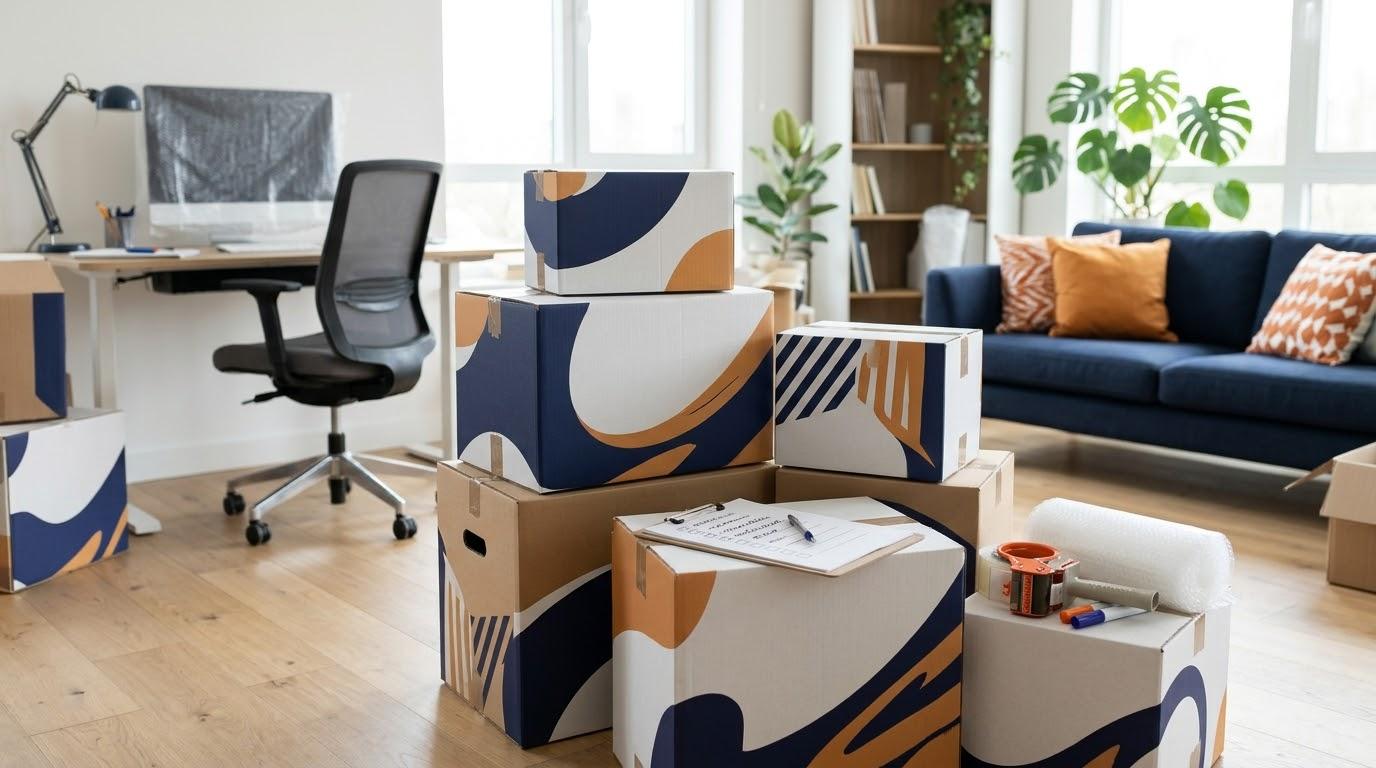
Relocating to a new home or office can be an exciting experience, but the process often involves more work than people initially expect. Packing belongings, organizing furniture, arranging transportation, and preparing the new property all require time and attention. Without proper planning, even a simple move can become stressful.
The good news is that a well-organized relocation plan can make the entire experience much easier. Whether you are moving your family to a different neighborhood or transferring your business to a new workplace, following a few practical steps can help you avoid common problems.
Working with a professional moving company such as DCD Logistic Services can also simplify the process through organized packing, transportation, furniture handling, and relocation support.
1. Start Planning Your Move Early
One of the most effective ways to reduce moving stress is to start preparing well in advance. Leaving everything until the last few days can result in rushed decisions, forgotten belongings, and unnecessary expenses.
Create a moving checklist that includes important tasks such as:
-
Confirming your moving date.
-
Organizing packing materials.
-
Sorting household or office belongings.
-
Arranging transportation.
-
Informing relevant people about your new address.
-
Preparing the new property.
For office relocations, businesses should also coordinate with employees, IT teams, building management, and service providers.
Having a clear schedule makes it easier to track progress and complete each task on time.
2. Declutter Before Packing
Moving provides an excellent opportunity to review your belongings and remove items you no longer need. Packing unnecessary furniture, clothing, documents, and equipment increases the number of boxes and makes transportation more complicated.
For home relocation, separate belongings into three categories: items to keep, items to donate or sell, and items to dispose of responsibly.
Businesses can follow a similar process by reviewing old office furniture, outdated equipment, unused stationery, and unnecessary paperwork.
Reducing clutter before moving helps save packing time and makes organizing the new property much easier.
3. Choose the Right Packing Materials
Using appropriate packing supplies is essential for protecting your belongings during transportation. Weak boxes or insufficient wrapping can increase the chances of items becoming damaged.
Consider using:
-
Strong cardboard boxes for general belongings.
-
Bubble wrap for fragile items.
-
Protective covers for furniture.
-
Packing paper for glassware and decorative objects.
-
Strong adhesive tape for securing boxes.
-
Labels for identifying box contents.
Fragile items should be packed separately, with enough cushioning to limit movement inside the boxes.
For additional packing guidance, you can visit DCD Logistic Services' company and moving guidelines, which highlight practical packing and organization methods.
4. Label Every Box Clearly
Labelling is a simple step that can save considerable time during unpacking. Write the destination room and a brief description of the contents on each box.
For example, labels such as "Kitchen – Plates" or "Bedroom – Bedding" make it easier to identify where each box belongs.
Office relocations require even more attention. Boxes containing documents, computers, and department equipment should be labelled according to their respective departments.
You can also use different coloured labels for different rooms or departments. This makes unloading and placement more organized.
5. Hire a Professional Moving Company
Moving heavy furniture and transporting valuable belongings without professional assistance can be challenging. Experienced movers have the equipment and practical knowledge needed to handle different types of relocation tasks.
Professional moving services may include packing, loading, furniture transportation, unloading, and unpacking assistance.
Before hiring a moving company, consider the following factors:
-
Experience with your type of relocation.
-
Range of available moving services.
-
Packing methods and protective materials.
-
Written estimates and pricing details.
-
Clear communication and scheduling.
-
Customer feedback and business reputation.
Request a detailed quotation so you understand which services are included and whether additional charges may apply.
6. Prepare Your New Home or Office
Before the moving vehicle arrives, make sure the destination property is ready to receive your belongings.
For homes, clean the rooms, check essential utilities, and identify where larger furniture pieces should be placed.
For offices, prepare the workspace layout in advance. Decide where desks, meeting tables, storage units, and electronic equipment will be positioned.
It is also helpful to check access points, elevators, parking arrangements, and building moving requirements before moving day.
These preparations can prevent unnecessary delays and make unloading easier.
7. Keep Essential Items Separate
Some belongings should remain easily accessible throughout the relocation process. Instead of packing everything into general moving boxes, prepare a separate essentials bag or box.
For home moves, include important documents, medications, phone chargers, basic toiletries, keys, and a change of clothes.
For office moves, keep essential business documents, laptops, chargers, backup storage devices, and other important working materials separately.
Having these items available prevents you from searching through dozens of boxes when something is urgently needed.
8. Create a Moving Day Schedule
Moving day can become confusing when different tasks happen simultaneously. A simple schedule helps everyone understand their responsibilities.
For residential moves, decide when packing should be completed, when movers will arrive, and who will check the old and new properties.
For office moves, assign responsibilities to department representatives. Make sure employees know when to disconnect equipment, secure documents, and prepare their workstations.
Maintain communication with the moving team so unexpected changes can be handled more effectively.
9. Inspect Your Belongings After Delivery
Once everything reaches the new location, take time to inspect your belongings. Check furniture, electronic equipment, appliances, and fragile items for any visible damage.
Compare delivered boxes with your inventory list to confirm that everything has arrived.
For businesses, ensure computers, printers, networking equipment, and other essential devices are ready before normal operations resume.
Address any concerns with the moving company promptly and keep relevant documentation where necessary.
Conclusion
A stress-free home or office relocation begins with preparation, organization, and the right support. Starting early, removing unnecessary belongings, choosing suitable packing materials, and labelling boxes can make a significant difference.
Professional movers can also help reduce the physical workload and simplify transportation, especially when handling large furniture, fragile belongings, and office equipment.
By following these practical relocation tips, you can make the transition to your new property more organized and focus on enjoying the opportunities that come with a fresh start.
Frequently Asked Questions (FAQs)
1. How early should I start planning a home relocation?
It is helpful to begin planning several weeks before moving day. Larger homes or long-distance relocations may require additional preparation time.
2. What is the best way to pack fragile belongings?
Use bubble wrap, packing paper, sturdy boxes, and sufficient cushioning. Keep fragile items separate and label their boxes clearly.
3. How can I make office relocation less stressful?
Create a detailed moving schedule, organize office equipment by department, back up important digital information, and assign responsibilities to employees.
4. Why is hiring professional movers beneficial?
Professional movers can assist with packing, loading, transportation, and unloading. This reduces physical effort and helps keep the relocation process organized.
5. What should I keep separately during a move?
Keep essential documents, medications, chargers, keys, valuables, and frequently needed items in a separate bag or box.
6. How can I avoid confusion when unpacking?
Label boxes according to their destination rooms or office departments. Maintaining an inventory list also makes it easier to track belongings.

 Arabic
 French
 Spanish
 Portuguese
 Deutsch
 Turkish
 Dutch
 Italiano
 Russian
 Romaian
 Portuguese (Brazil)
 Greek