


What Makes a Well-Designed Bearing Puller Essential for Repair Work?
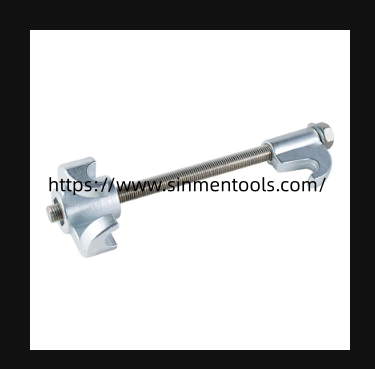
Bearings are essential components in many mechanical assemblies, supporting rotation and helping reduce friction between moving parts. During equipment maintenance, removing an installed bearing can be complicated when the component is tightly fitted or surrounded by other mechanical structures. Using an appropriate removal tool helps technicians approach this task with greater control and reduce unnecessary contact with nearby components. A Bearing Puller is designed to engage with a bearing and apply controlled pulling force, making it an important tool in automotive workshops, machinery servicing, and general mechanical maintenance.
The materials used in manufacturing pulling tools have a direct influence on their reliability. Since these tools are exposed to repeated mechanical forces, load-bearing components need suitable strength and structural stability. Steel is commonly used for important structural sections because it offers characteristics appropriate for demanding workshop applications. The central spindle, pulling arms, contact points, and connecting components must work together as a coordinated structure rather than as independent parts.
Material quality also depends on how components are processed after production. Machining helps create suitable contact surfaces and connecting structures, while heat treatment can influence the characteristics of metal components. Surface finishing contributes to the overall condition of the tool and can help protect exposed areas during ordinary workshop storage and use. For professional buyers, examining manufacturing quality is therefore just as important as considering the basic material description.
Selecting an appropriate tool requires an understanding of the bearing arrangement and the surrounding mechanical assembly. Bearings may be installed in housings, positioned on shafts, or located within more complicated equipment structures. The available working space and accessibility of the bearing edges can influence the most suitable pulling design. Buyers should identify the types of maintenance tasks they regularly handle before choosing equipment for their workshop.
Different pulling configurations offer different practical advantages. Some designs use external gripping arms to engage with the outside of a component, while others are intended to work with internal surfaces or specific bearing arrangements. The choice depends on the structure of the installed bearing and the available access points. A tool that is suitable for one removal situation may not be appropriate for another, making application compatibility an essential purchasing consideration.
The relationship between tool design and mechanical force is particularly important. During removal, the pulling structure needs to maintain stable contact while transferring force toward the component being extracted. Proper alignment helps reduce uneven loading and improves control during operation. If the contact points are positioned incorrectly, the bearing or surrounding assembly may experience unnecessary stress. For this reason, technicians should understand the removal method and follow the manufacturer's operating guidance.
Manufacturing precision contributes to the overall working experience. The threaded spindle needs to engage smoothly with its corresponding components, while the pulling arms should maintain a stable connection during adjustment. Consistent machining and appropriate assembly help reduce unwanted movement between parts. These manufacturing details may appear small, but they can influence how comfortably a technician positions and operates the tool during repeated maintenance work.
For workshop professionals, ease of handling is another important factor. Bearing removal frequently takes place in restricted spaces where surrounding components limit movement. Compact construction, accessible adjustment sections, and practical arm positioning can make a tool easier to use. A clearly organized structure also helps technicians understand how the components interact, reducing unnecessary adjustments during preparation.
Safety should remain part of every removal procedure. Before applying force, technicians should check whether the pulling arms are properly engaged and whether the central spindle is aligned with the intended pulling direction. The surrounding assembly should also be examined to identify potential interference. Using a tool that does not match the bearing structure can create unnecessary risks, particularly when working with delicate mechanical components or valuable equipment.
The exterior design of a pulling tool also reflects its manufacturing approach. Smooth edges, consistent surface finishes, and clearly formed components contribute to a professional appearance while supporting practical handling. Protective coatings may help limit ordinary surface deterioration during storage and workshop exposure. A thoughtfully designed tool is easier to organize alongside other maintenance equipment and can contribute to a more orderly working environment.
Maintenance requirements can vary considerably between automotive repair, agricultural machinery servicing, industrial equipment maintenance, and general mechanical workshops. Each environment may involve different bearing positions, surrounding structures, and access conditions. Tool manufacturers need to consider these variations when developing product designs. Feedback from technicians can provide useful information about gripping arrangements, adjustment convenience, and common difficulties encountered during actual removal operations.
Taizhou Xinming Technology Co., Ltd. focuses on automotive repair tools and mechanical maintenance equipment, serving customers who require practical solutions for workshop applications. Its product development activities cover different tool categories used in automotive servicing and mechanical component maintenance. For distributors, repair professionals, and equipment buyers, understanding the relationship between tool construction and application requirements can support more appropriate purchasing decisions. Companies interested in exploring bearing removal solutions and other automotive repair tools can visit https://www.sinmentools.com/ to learn more about Taizhou Xinming Technology Co., Ltd. and its product offerings.

 English
 Arabic
 French
 Spanish
 Portuguese
 Deutsch
 Turkish
 Italiano
 Russian
 Romaian
 Portuguese (Brazil)
 Greek