


Can compositemould Support Your Next Tooling Project?
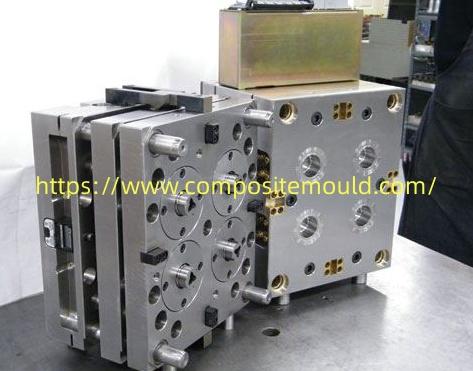
Composite Mould selection requires a clear understanding of product requirements, manufacturing conditions, and expected production results. For overseas importers, engineering companies, and industrial purchasing teams, ordering custom tooling involves more than comparing prices. Product geometry, material characteristics, dimensional tolerances, surface requirements, and production quantities all influence the proposed structure. A detailed evaluation before manufacturing begins helps buyers communicate their expectations and gives engineers useful information for preparing a suitable technical solution.
Prepare Accurate Product Drawings
A tooling project should begin with complete product information. Buyers should provide available 2D drawings, 3D models, dimensional specifications, and descriptions of the component's intended function.
Pay attention to mounting positions, connection areas, curved surfaces, wall thickness, and other structural features. These details may influence cavity geometry, parting arrangements, and the machining plan.
If the product design is still being developed, explain which dimensions are fixed and which areas may be adjusted. This allows engineers to identify potential design concerns before manufacturing work begins.
Match the Structure to Product Geometry
Different component shapes require different tooling arrangements. Large panels, curved housings, protective covers, and industrial enclosures may involve different cavity layouts and release requirements.
Buyers should ask how the proposed structure will accommodate the product shape. Important details include parting positions, guide components, inserts, locating features, and ejection arrangements.
For components with deep sections or complex curves, the design review should also consider material placement and accessibility during production. Discussing these details early can help reduce unnecessary modifications after machining has started.
Confirm Material Compatibility
Material selection should correspond with the intended application and production conditions. Buyers should provide information about the selected resin, reinforcement type, processing temperature, and relevant technical specifications.
Different formulations may behave differently during heating, consolidation, and curing. These characteristics can influence tooling material selection, thermal expansion allowances, surface requirements, and structural design.
The finished component also needs to meet its intended working conditions. For example, outdoor exposure, moisture, chemical contact, mechanical loading, and electrical insulation may affect the material requirements.
When material specifications are not finalized, buyers should discuss available options with the engineering team before confirming the design.
Examine Surface Finish Requirements
Surface appearance can be an important acceptance factor, particularly for visible panels, equipment covers, and decorative industrial components.
Buyers should identify which surfaces require specific finishes and which areas are functional rather than cosmetic. Provide reference samples, surface specifications, or photographs when available.
The proposed machining and polishing arrangements should correspond with these requirements. It is also useful to discuss how the finished surface will be inspected and what criteria will be used during sample approval.
Clear agreements help prevent differences in expectations between the purchasing team and the manufacturer.
Review Temperature and Structural Requirements
Tooling must accommodate the operating conditions associated with the selected material and manufacturing method. Buyers should discuss working temperature, heating arrangements, pressure conditions, and expected production cycles.
Thermal expansion is another consideration. Differences between the tooling material and the finished component can influence dimensional accuracy when temperatures change.
For larger projects, ask how structural support and temperature distribution will be evaluated. The engineering team can explain the proposed construction and identify areas that may require additional attention.
These discussions help establish technical expectations before the project enters the machining stage.
Understand the Manufacturing and Inspection Plan
A clear manufacturing plan should explain the main stages, from design confirmation and material preparation to machining, assembly, and final inspection.
Buyers can ask about the equipment used for precision machining, dimensional measurement methods, and inspection documentation. They should also identify critical dimensions that require particular attention.
It is useful to agree on inspection records before production begins. Depending on the project, documentation may include dimensional reports, material information, surface checks, and functional testing results.
For international orders, organized technical records can support communication between purchasing teams, engineers, and quality departments.
Arrange Sample Evaluation and Project Approval
Sample evaluation gives buyers an opportunity to examine the actual component before accepting the tooling project. The inspection should follow previously agreed requirements rather than relying only on visual impressions.
Review dimensional accuracy, surface appearance, assembly compatibility, and other functional characteristics relevant to the application. If adjustments are necessary, document each issue and confirm the proposed correction with the manufacturer.
A defined approval procedure can include sample quantities, inspection methods, revision records, and responsibilities for final confirmation. This provides both parties with a practical reference throughout project development.
Compare Manufacturers Through Project Details
Supplier evaluation should cover engineering communication, machining capabilities, inspection arrangements, project experience, and delivery coordination.
When comparing quotations, confirm that each manufacturer is working from the same drawings, material requirements, production quantities, and acceptance criteria. Differences in tooling scope or included services can influence the quoted amount.
Buyers should also discuss maintenance instructions, future modifications, replacement components, and technical assistance after delivery. These details matter when the tooling will support ongoing production rather than a single manufacturing run.
Discuss Your Custom Manufacturing Requirements
A successful tooling project depends on clear technical information and coordination between product design, material selection, manufacturing, and inspection. Preparing drawings and acceptance requirements before requesting a quotation can make discussions more focused and help both parties establish realistic project expectations.As a custom tooling manufacturer, compositemould works with customers to discuss product structures, engineering requirements, machining arrangements, and project specifications. Buyers planning new industrial projects can visit https://www.compositemould.com/product/ to review available product information and contact the team about customized manufacturing requirements and potential cooperation.

 English
 Arabic
 French
 Spanish
 Portuguese
 Deutsch
 Turkish
 Dutch
 Italiano
 Russian
 Romaian
 Portuguese (Brazil)