


How Does Laser Tattoo Removal Treatment Target Deep Ink
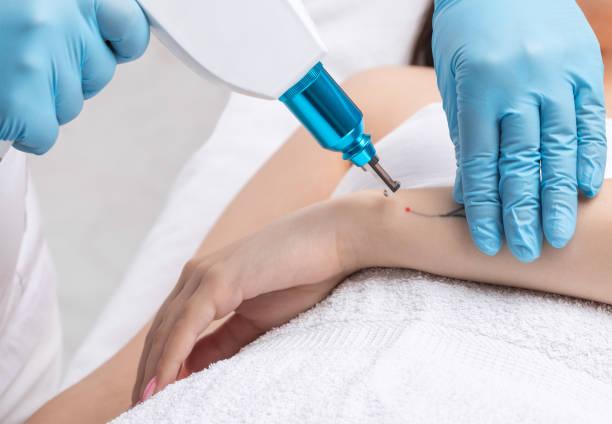
Tattoo ink is deposited beneath the skin, which is why removing an unwanted tattoo can require more than simply treating the skin's surface. Laser technology offers a specialized approach that targets ink particles at different depths and gradually helps the body clear them. Understanding how Laser Tattoo Removal in Abu Dhabi works can help individuals learn what happens during treatment and why multiple sessions may be needed to achieve visible fading. The procedure uses controlled laser energy to break tattoo pigments into smaller particles without intentionally removing the surrounding skin. Its effectiveness depends on several factors, including ink depth, pigment colour, tattoo size, and the type of laser technology selected.
Understanding How Deep Tattoo Ink Sits Beneath the Skin
When a tattoo is created, a needle places pigment particles into the dermis, which is the layer of skin beneath the outer epidermis. This placement allows the design to remain visible for years because the ink is positioned below the surface where normal skin renewal occurs. The depth of the pigment can vary depending on the tattooing technique, needle placement, skin characteristics, and the area being tattooed.
Some tattoos contain pigment distributed relatively evenly, while others have ink concentrated at different depths. Professional tattoos may also have multiple layers of colour, creating a more complex pattern of pigment beneath the skin. These characteristics influence how laser energy interacts with the tattoo and how gradually the ink can be broken down.
How Does Laser Technology Reach Deep Ink?
Laser tattoo removal works by delivering short, controlled pulses of light energy into the skin. The selected wavelength is absorbed by specific tattoo pigments, allowing the laser to target the unwanted ink beneath the surface. Because different colours absorb light differently, the wavelength must be selected according to the pigment being treated.
The laser energy travels through the outer skin and reaches the targeted ink particles in the dermis. When the pigment absorbs this energy, it experiences a rapid temperature and pressure change that helps break larger particles into smaller fragments. These smaller fragments can then be processed and gradually eliminated through the body's natural immune and lymphatic systems.
The ability to target pigment beneath the skin is what makes laser treatment particularly useful for addressing deeper tattoo ink. Rather than removing the entire layer of skin containing the tattoo, the technology focuses on pigment particles while aiming to preserve the surrounding tissue.
How Does Laser Energy Break Down Stubborn Ink Particles?
Tattoo pigments are made up of particles that are too large for the body to remove easily through its natural processes. Laser treatment uses a process known as selective photothermolysis and photoacoustic interaction to help fragment these particles.
During the procedure, absorbed laser energy creates rapid changes within the targeted pigment. This interaction produces pressure that helps separate larger ink particles into smaller fragments. Once fragmented, the particles become easier for immune cells to identify and transport away from the treated area.
This process does not happen instantly. The laser initiates pigment fragmentation, but the body needs time to gradually clear the resulting particles. This explains why tattoos often become lighter over several weeks following each session rather than disappearing immediately.
Does Laser Tattoo Removal Work on Different Ink Colours?
Different tattoo colours respond differently to laser energy because each pigment absorbs particular wavelengths of light. Dark pigments, especially black and dark blue, generally respond well because they absorb a broad range of laser wavelengths.
Other colours may require more specific laser settings. Green, red, yellow, and lighter pigments can present different challenges depending on their chemical composition and how they interact with particular wavelengths. A treatment approach that works effectively for black ink may not produce the same response in a multicoloured tattoo.
Modern laser systems may offer different wavelengths to address a wider range of pigment colours. Selecting the appropriate technology is important for reaching the intended ink particles and achieving gradual fading. The overall response depends on the tattoo's colour combination, pigment density, and depth.
Why Does Deep Tattoo Ink Require Multiple Sessions?
Deep tattoo ink can be more challenging to remove because pigment particles may be distributed throughout different levels of the dermis. A single laser session generally cannot eliminate all the ink because the treatment only fragments a portion of the pigment during each appointment.
After the laser breaks down the targeted particles, the body's immune system requires time to process and remove them. Once this natural clearance process progresses, additional pigment may become accessible for subsequent treatment sessions.
Multiple sessions allow the removal process to occur gradually. The interval between appointments gives the skin time to recover and the body an opportunity to clear fragmented pigment. The number of sessions required varies according to the tattoo's age, size, colour, ink density, depth, and individual biological response.
What Factors Influence the Removal of Deep Tattoo Ink?
Several characteristics determine how effectively laser technology can target deep tattoo pigments. Ink density is particularly important because heavily saturated tattoos contain a greater concentration of pigment particles that may require additional treatment sessions.
Tattoo age can also influence the removal process. Older tattoos sometimes appear lighter because some pigment has already been broken down naturally over time. In comparison, newer tattoos may contain more concentrated pigment that requires a different treatment approach.
The chemical composition of the ink is another important consideration. Some pigments respond readily to particular laser wavelengths, while others are more resistant. Additionally, the location of a tattoo can influence how efficiently the body clears fragmented particles because circulation and immune activity vary across different body areas.
Skin characteristics and the technology selected also contribute to the overall treatment response. An individualized assessment helps determine the appropriate wavelength, energy settings, and treatment intervals for the tattoo being addressed.
Can Laser Treatment Remove Ink Without Damaging Surrounding Skin?
One of the main advantages of laser tattoo removal is its ability to selectively target tattoo pigments. The technology is designed to deliver energy that is preferentially absorbed by the ink rather than treating the entire surrounding skin area.
Appropriate wavelength selection and carefully controlled energy settings help focus the treatment on the intended pigment. This targeted approach aims to preserve the surrounding skin while gradually reducing the visibility of the tattoo.
However, different skin tones and pigment characteristics require careful consideration when selecting treatment parameters. A personalized assessment helps determine which laser approach is suitable and how the procedure should be adjusted for the individual's skin and tattoo characteristics.
What Results Can You Expect When Treating Deep Ink?
The results of laser tattoo removal usually develop gradually. Immediately after a session, the tattoo may not appear significantly lighter because the body has not yet completed the process of clearing the fragmented pigment.
Over the following weeks, the immune system gradually processes smaller ink particles, allowing the tattoo to become less noticeable. With subsequent sessions, additional pigment can be targeted, contributing to further fading.
Some tattoos may become significantly lighter, while others may require more extensive treatment because of their depth, colour, or density. Complete removal is not guaranteed in every case. Understanding these differences helps establish realistic expectations and allows progress to be evaluated throughout the treatment journey.
Final Thoughts
Laser tattoo removal targets deep ink by delivering controlled light energy into the skin, where specific wavelengths interact with tattoo pigments. This energy breaks larger ink particles into smaller fragments that the body's natural immune processes gradually clear away. Because pigment depth, colour, density, and composition vary between tattoos, the removal process is different for every individual.
Understanding how laser technology reaches deeper pigment layers explains why multiple sessions and appropriate treatment intervals are often necessary. With suitable technology, carefully selected settings, and realistic expectations, laser treatment can significantly reduce the appearance of unwanted tattoos while focusing on the targeted ink beneath the skin.
FAQs
How does laser tattoo removal reach deep ink?
Laser energy passes through the outer skin and targets tattoo pigments located within the dermis.
Can laser treatment break down old tattoo ink?
Yes, laser technology can fragment pigment particles in older tattoos, although results depend on ink characteristics.
Why does deep tattoo ink take longer to remove?
Deep or densely concentrated pigments may require multiple sessions and additional time for natural pigment clearance.
Does laser tattoo removal work on coloured tattoos?
Yes, different laser wavelengths can target various ink colours, although some pigments are more difficult to remove.
How many sessions are needed to remove deep tattoo ink?
The number varies according to tattoo depth, colour, size, density, and individual response to treatment.

 English
 Arabic
 French
 Spanish
 Portuguese
 Deutsch
 Turkish
 Dutch
 Italiano
 Romaian
 Portuguese (Brazil)
 Greek