


Sleep and Heart Disease – Why Your Bedtime Matters
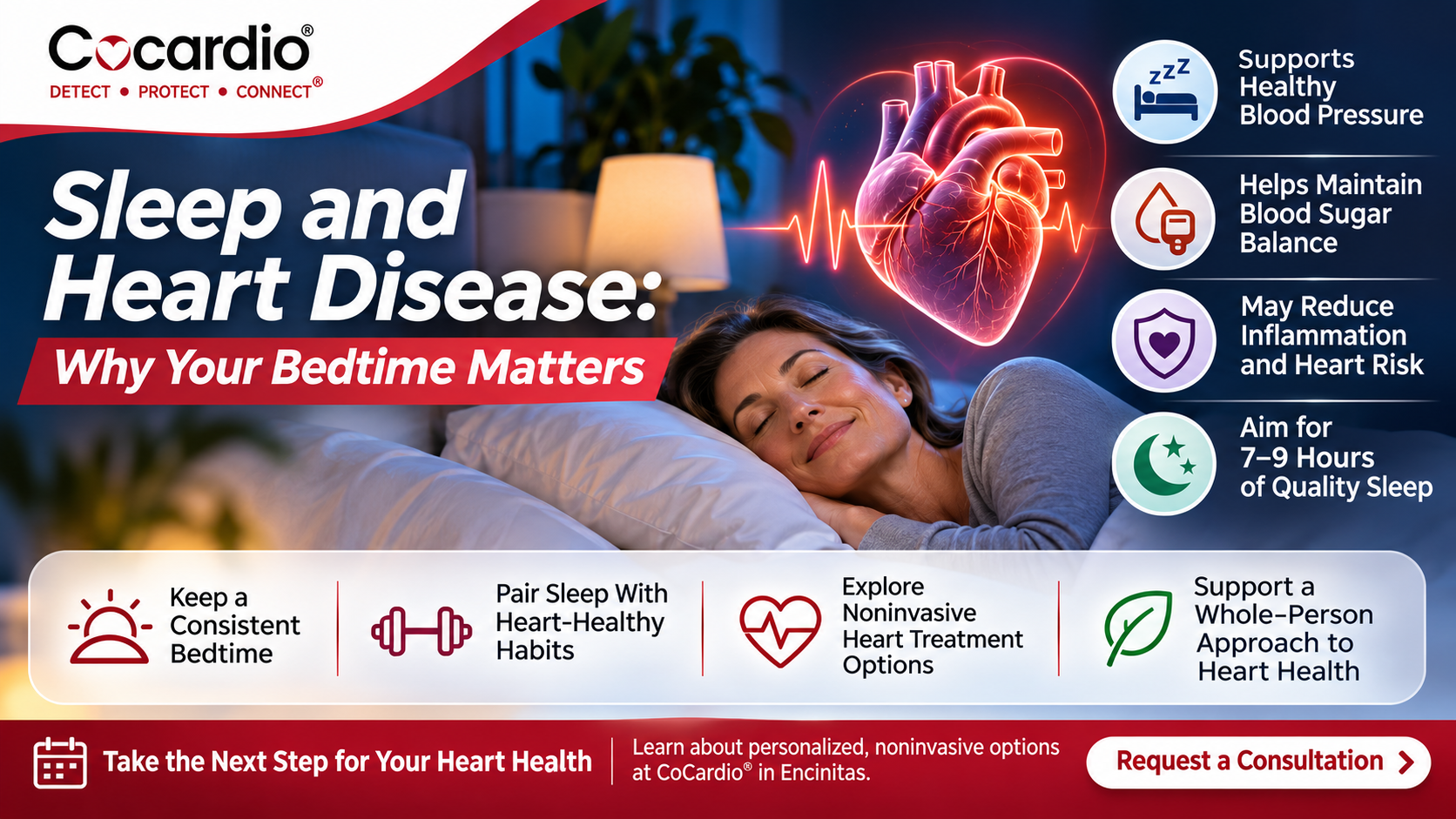
Getting enough sleep is not simply about feeling refreshed the next morning; it plays an important role in cardiovascular health. Your sleeping patterns can influence blood pressure, blood sugar regulation, inflammation, and other factors associated with heart disease. People searching for ways to Reverse heart disease naturally may overlook sleep while focusing on exercise, diet, and supplements. Although healthy sleep cannot independently reverse established coronary artery disease, improving sleep habits can support evidence-based cardiovascular prevention and overall wellness.
The American Heart Association includes healthy sleep among its Life's Essential 8 measures for cardiovascular health. Most adults should aim for approximately seven to nine hours each night, with attention to consistent bedtimes and wake-up times. Research also suggests that irregular sleep schedules and poor sleep quality are associated with cardiovascular and metabolic risks. Understanding these connections can help patients make more informed choices about their daily routines and long-term heart health.
How Does Sleep Affect Your Heart?
Sleep allows the body to carry out essential functions related to recovery, hormone regulation, and cardiovascular control. During normal sleep, heart rate and blood pressure generally decrease, providing a period of reduced cardiovascular demand. When sleep is frequently interrupted or insufficient, these normal patterns may be disrupted. Over time, poor sleep can contribute to conditions that increase the likelihood of heart disease and stroke.
Sleep and Blood Pressure Regulation
Blood pressure normally follows a daily rhythm, with lower readings during sleep for many healthy individuals. Inadequate sleep and sleep disorders may interfere with this nighttime decrease, sometimes resulting in elevated blood pressure. Persistent hypertension increases stress on blood vessels and contributes to cardiovascular and kidney complications. Maintaining a consistent sleep schedule can complement prescribed blood pressure management, regular activity, and appropriate dietary changes.
Sleep, Inflammation and Arterial Health
Poor sleep has been associated with inflammatory processes and changes in vascular function. Chronic inflammation can contribute to the development and progression of atherosclerosis, a condition involving plaque accumulation inside arterial walls. However, the relationship between sleep and cardiovascular disease is complex, and research does not establish that improving sleep alone removes existing plaque. Healthy sleep should be considered one component of a comprehensive cardiovascular risk-reduction plan.
Sleep and Blood Sugar Control
Sleep influences several hormones involved in appetite, energy balance, and glucose metabolism. Repeated sleep deprivation may worsen insulin sensitivity and contribute to metabolic risk factors associated with type 2 diabetes. Diabetes is an important risk factor for coronary artery disease because elevated blood glucose can damage blood vessels over time. Patients with diabetes or prediabetes should discuss sleep quality alongside glucose monitoring, nutrition, activity, and medication management.
Why Your Bedtime Matters as Much as Sleep Duration
Going to bed at different times throughout the week may disrupt the body's internal circadian clock. This system helps regulate sleep, wakefulness, hormone release, body temperature, and metabolic processes across approximately 24 hours. Research has linked irregular sleep timing with higher rates of adverse cardiovascular outcomes, although observational associations do not prove that irregularity directly causes disease. A consistent bedtime and wake-up routine can support healthier sleep patterns and may be beneficial as part of broader preventive care.
What Happens When You Frequently Sleep Late?
Occasionally going to bed late is not necessarily dangerous, especially when adequate sleep and regular routines are otherwise maintained. However, chronically delayed or inconsistent sleep schedules may affect alertness, dietary habits, physical activity, and metabolic regulation. Shift work, evening light exposure, and irregular work schedules can also interfere with normal circadian timing. Patients experiencing persistent sleep problems should consider discussing their routines and symptoms with a healthcare professional.
Does Sleeping Longer on Weekends Protect Your Heart?
Sleeping later on weekends may temporarily reduce fatigue after several nights of insufficient rest. Nevertheless, routinely changing sleep and wake times can make it more difficult to maintain a stable circadian rhythm. Weekend recovery sleep should not be viewed as a reliable substitute for consistently adequate nightly sleep. Building a realistic schedule that supports sufficient rest throughout the week is generally a more sustainable strategy.
How Much Sleep Do Adults Need for Heart Health?
The American Heart Association recommends approximately seven to nine hours of sleep per night for most adults. Individual requirements can differ according to age, medical conditions, work schedules, and other circumstances. Regularly sleeping fewer than seven hours has been associated with increased cardiovascular and metabolic risk in population studies. Excessively long sleep duration can also be associated with health problems, although underlying illness and other factors may help explain some of that relationship.
Sleep quality matters alongside the total number of hours spent in bed. Someone who sleeps for eight hours but wakes repeatedly because of breathing disturbances may not receive the same restorative benefits as someone with uninterrupted sleep. Persistent daytime sleepiness, loud snoring, or frequent awakenings can indicate that further evaluation is appropriate. Patients should consider both how long they sleep and how rested they feel during the day.
Can Better Sleep Help Reverse Heart Disease Naturally?
The phrase Reverse heart disease naturally often appears in searches about cardiovascular wellness and lifestyle changes. However, the term "reverse" can be misleading because coronary artery disease involves structural and biological changes that cannot reliably be eliminated through sleep improvements alone. Better sleep can help support blood pressure control, metabolic health, and behaviors that reduce future cardiovascular risk. Patients with established heart disease should continue prescribed treatments and work with their cardiologist on a comprehensive, evidence-based care plan.
Lifestyle Changes That Support Cardiovascular Health
Sleep is most valuable when combined with other established cardiovascular health measures. Eating a balanced diet, engaging in appropriate physical activity, avoiding tobacco, and managing cholesterol can help reduce cardiovascular risk. Blood pressure control, diabetes management, and appropriate medications remain particularly important for patients who already have coronary artery disease. No single lifestyle change should be presented as a guaranteed method of reversing existing heart damage.
Can Lifestyle Changes Reduce Coronary Plaque?
Intensive lifestyle programs and appropriate medical treatment can improve cardiovascular risk factors, while certain lipid-lowering therapies can promote plaque stabilization or regression in selected patients. However, the extent of change varies, and improvement cannot be guaranteed for any individual. Sleep optimization may support the overall treatment plan, but it has not been established as an independent method of reversing coronary plaque. Patients should avoid stopping prescribed medications in favor of unverified natural treatments or supplements.
The Connection Between Sleep Apnea and Heart Disease
Obstructive sleep apnea is a condition in which the upper airway repeatedly narrows or closes during sleep. These episodes can interrupt breathing, lower oxygen levels, and repeatedly activate the body's stress responses. Sleep apnea is associated with hypertension, atrial fibrillation, stroke, and other cardiovascular conditions. Early identification is important because some patients may be unaware of their nighttime breathing interruptions.
Common Warning Signs of Sleep Apnea
Symptoms may include loud snoring, witnessed pauses in breathing, gasping during sleep, morning headaches, and excessive daytime sleepiness. Not everyone with sleep apnea snores, and symptoms can differ among individuals. Patients with persistent symptoms may benefit from a clinical evaluation and an appropriate home or laboratory sleep study. Effective treatment can improve sleep-related symptoms and other health measures, although cardiovascular outcome benefits depend on the condition and treatment circumstances.
Why Patients With Heart Disease Should Discuss Sleep Problems
People with coronary artery disease, hypertension, heart failure, or arrhythmias may have additional reasons to discuss suspected sleep disorders with their healthcare team. A physician can evaluate whether sleep apnea, insomnia, medication effects, or another condition may be contributing to disrupted sleep. Treatments may include positive airway pressure therapy, behavioral interventions, or other approaches selected according to the diagnosis. Addressing sleep problems should complement rather than replace existing cardiovascular treatment.
Seven Practical Sleep Habits to Support a Healthier Heart
Improving sleep often begins with manageable changes to daily routines rather than dramatic lifestyle overhauls. The following habits are consistent with widely recommended sleep-health practices and may support more regular, restorative sleep. Patients should adapt these recommendations to their work schedules, medical needs, and individual circumstances. Persistent insomnia or suspected sleep apnea warrants professional assessment rather than relying exclusively on general sleep tips.
-
Maintain consistent sleep and wake times: Aim for similar times throughout the week, including weekends.
-
Allow enough time for rest: Plan for approximately seven to nine hours of sleep if appropriate for your individual needs.
-
Reduce evening screen exposure: Dim bright screens and reduce stimulating activities before bedtime.
-
Limit late caffeine consumption: Consider how afternoon or evening caffeine affects your ability to fall asleep.
-
Create a restful environment: Keep the bedroom quiet, dark, and comfortably cool.
-
Stay active during the day: Regular exercise can support sleep quality, provided activity levels are medically appropriate.
-
Discuss ongoing sleep problems: Seek an evaluation if snoring, insomnia, or daytime sleepiness continues.
Building a Consistent Evening Routine
A predictable evening routine can signal to the body that it is time to prepare for sleep. Reading, relaxation exercises, gentle stretching, or a warm bath may help some individuals unwind. Avoiding large late-night meals and excessive alcohol consumption may also improve sleep comfort and quality. Patients should select sustainable habits rather than expecting immediate results from changing their bedtime for only a few nights.
Where Noninvasive Cardiovascular Care Fits Into Heart Health
People interested in Reverse heart disease naturally may also explore clinical services that do not involve surgery. Non invasive heart treatment is a broad term that can encompass medical management, diagnostic evaluation, cardiac rehabilitation, and selected symptom-focused procedures. These services differ substantially in their indications, supporting evidence, and expected outcomes. Treatment selection should depend on an individual's diagnosis and clinical assessment rather than an assumption that every noninvasive approach prevents or reverses heart disease.
What Is External Counterpulsation Therapy?
External counterpulsation therapy is a noninvasive procedure involving inflatable cuffs placed around the lower body and legs. The cuffs inflate and deflate in synchronization with the cardiac cycle to influence blood flow and cardiovascular workload. Enhanced External Counterpulsation, commonly called EECP, may be considered for selected patients with persistent refractory angina when other treatment options are unsuitable. It is not an established method of reversing coronary plaque, preventing heart attacks, or treating poor sleep.
Can EECP Help Patients With Angina?
Patients with chronic coronary artery disease may experience chest discomfort when the heart muscle does not receive enough oxygen-rich blood. For selected patients, eecp therapy for angina may be considered as a symptom-management option after appropriate evaluation. Clinical guidelines recognize potential symptom relief in certain patients with refractory angina who have no other suitable treatment options. Results vary, and the therapy does not replace guideline-directed medications, emergency care, or standard cardiovascular management.
Is EECP a Substitute for Healthy Sleep?
EECP and healthy sleep address different aspects of cardiovascular health and should not be considered interchangeable. Improving sleep habits supports general cardiovascular risk-factor management, while EECP has a more narrowly defined symptom-related clinical role. Neither approach should be represented as a stand-alone method of reversing established coronary artery disease. Patients considering additional interventions should discuss the available evidence, potential risks, and medical suitability with qualified professionals.
When Should You Seek a Cardiovascular Consultation?
Persistent chest discomfort, unusual shortness of breath, unexplained fatigue, and poorly controlled cardiovascular risk factors should not be dismissed as ordinary consequences of insufficient sleep. A healthcare professional can help determine whether symptoms are related to a sleep disorder, cardiovascular disease, medication effects, or another medical condition. Patients searching for a preventive cardiologist near me should look for appropriately credentialed clinicians who provide individualized cardiovascular risk assessment. New or severe chest pain and symptoms suggesting a heart attack require emergency medical attention rather than an elective consultation.
Exploring Cardiovascular Wellness Services in Encinitas
CoCardio® provides consultation-based, noninvasive cardiovascular wellness services in Encinitas, California. Patients searching for EECP therapy near me can contact the practice to learn about available ECP services, screening considerations, and financial arrangements. CoCardio® operates on a cash-pay basis and does not bill Medicare or private insurance for consultations, ECP sessions, or preventive cardiovascular wellness services. Eligible HSA or FSA payments may be possible, subject to the patient's plan requirements.
Prepare for Your Appointment With a Heart Care Planner
Tracking sleeping patterns, symptoms, activity levels, and medical questions can help patients prepare for productive discussions with their clinicians. The 2026 Guide to Non-Invasive Heart Treatment is provided as a patient education resource for organizing cardiovascular care considerations. Patients can use written notes to discuss sleep concerns, treatment expectations, and financial questions during appointments. Educational planning materials do not replace medical evaluation or establish eligibility for a particular therapy.
Take the next step toward a better-informed cardiovascular wellness plan. Contact CoCardio® at +1 (858) 500-1399 to ask about consultation availability and services in Encinitas. The team can explain its self-pay arrangements and help prospective patients understand what information may be needed for clinical screening. Request your CoCardio® consultation online to submit your questions through the website.
Frequently Asked Questions
Can Sleeping Eight Hours a Night Prevent Heart Disease?
Getting sufficient, high-quality sleep is associated with better cardiovascular health and is included in the American Heart Association's Life's Essential 8. However, sleeping eight hours does not guarantee protection against coronary artery disease, stroke, or heart failure. Genetics, age, cholesterol, blood pressure, smoking, diabetes, and other factors also influence cardiovascular risk. Healthy sleep works best as part of a broader preventive strategy.
Is Going to Bed After Midnight Bad for Your Heart?
There is no universal bedtime that is appropriate for every adult. Consistency, adequate sleep duration, circadian alignment, and individual circumstances are more important than treating midnight as a fixed medical cutoff. Frequently changing bedtimes or sleeping at times that conflict with normal daily rhythms may contribute to poorer sleep health. Patients experiencing significant circadian disruption should discuss appropriate strategies with a healthcare professional.
Can Better Sleep Reverse Coronary Artery Disease?
People looking to Reverse heart disease naturally should understand that healthy sleep can improve supportive cardiovascular habits and risk-factor management. However, sleep alone has not been shown to reliably remove coronary plaque or reverse established cardiovascular disease. Evidence-based medical treatment, appropriate lifestyle changes, and ongoing clinical monitoring remain essential. Treatment decisions should be individualized by qualified healthcare professionals.
What Is the Difference Between EECP and Cardiac Rehabilitation?
Cardiac rehabilitation is a structured, medically supervised program that commonly includes exercise training, education, and cardiovascular risk-factor management. EECP uses synchronized external pressure cuffs and may be considered for certain patients with refractory angina. The two approaches have different indications and are not automatically interchangeable. A treating clinician can determine whether cardiac rehabilitation, EECP, or another service may be appropriate.
How Can I Contact CoCardio® About Noninvasive Care?
Patients exploring Non invasive heart treatment options can contact CoCardio® in Encinitas, California, for information about its consultation-based services. The practice can explain its available ECP program, payment policies, and initial screening process. A consultation does not guarantee that a specific treatment will be medically appropriate or produce a particular outcome. Call +1 (858) 500-1399 or complete the consultation request form to get started.
Conclusion
Healthy sleep is an important component of cardiovascular wellness because it supports blood pressure regulation, metabolic health, and everyday physical recovery. Consistent bedtimes, sufficient sleep duration, and appropriate evaluation of sleep disorders can complement other evidence-based measures for reducing heart disease risk. Patients with established coronary artery disease should continue medical treatment and avoid relying on sleep changes or unproven interventions as substitutes for clinical care. For information about CoCardio®'s noninvasive cardiovascular wellness services in Encinitas, call +1 (858) 500-1399 or request a consultation online.
Medical Disclaimer
This article is for general educational purposes only and does not constitute medical advice, diagnosis, or treatment recommendations. Healthy sleep habits, lifestyle changes, ECP, and EECP are not guaranteed to prevent, cure, or reverse cardiovascular disease, and treatment decisions should be made with appropriately qualified healthcare professionals. Do not discontinue prescribed medications, cardiac rehabilitation, or existing medical care based on information in this article. If you experience new or severe chest pain, sudden shortness of breath, fainting, or symptoms suggesting a heart attack, call 911 immediately in the United States.

 English
 Arabic
 French
 Spanish
 Portuguese
 Deutsch
 Turkish
 Italiano
 Russian
 Romaian
 Portuguese (Brazil)
 Greek