


Anatomy of Protruding Ears and How Ear Reshaping in Dubai Helps
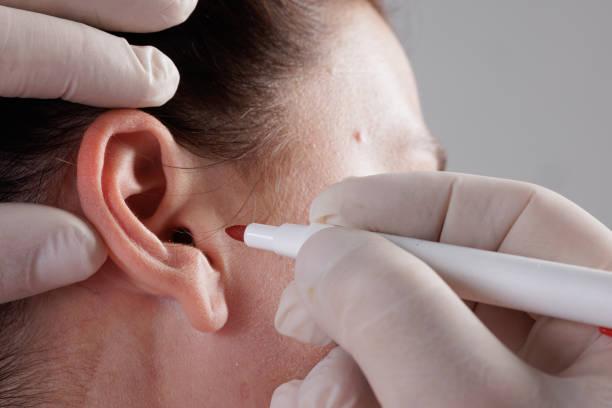
Protruding ears are usually associated with differences in the cartilage structure that determines how the external ears sit against the head. For some people, the ears extend noticeably outward because certain natural folds are underdeveloped or the conchal cartilage is more prominent. Ear Reshaping in Dubai can address selected structural causes through otoplasty, a surgical procedure that modifies the shape or position of the outer ear.
Understanding the anatomy behind prominent ears is important because not every case has the same cause. A suitable treatment plan depends on identifying which cartilage features contribute to the projection and determining how they can be adjusted without creating an unnatural appearance.
Understanding the Anatomy of Protruding Ears
The external ear is made up of cartilage covered by skin. Its contours and folds determine its shape, projection, and relationship with the side of the head.
The Antihelix and Its Natural Fold
The antihelix is the curved ridge located inside the outer rim of the ear. It helps define the ear's inward folding pattern.
When this fold is underdeveloped or less pronounced, the ear may extend farther outward. This is one of the common anatomical reasons for prominent ears.
The Concha and Its Role in Ear Projection
The concha is the bowl-shaped area leading toward the ear canal. Its depth, orientation, and relationship with surrounding cartilage can influence how far the ear projects.
A prominent concha may push the ear away from the head even when the antihelical fold is reasonably developed.
The Helix and Outer Ear Contour
The helix forms the outer curved edge of the ear. Its shape contributes to the overall appearance and balance of the external ear.
Differences in the helix, antihelix, and concha can occur together, creating a combination of structural features rather than one isolated cause.
What Causes Ears to Project Outward?
Prominent ears are often related to natural differences in cartilage development. They may be present from childhood and become more noticeable as the ears grow.
Underdeveloped Antihelical Folding
When the antihelix does not form a pronounced fold, the upper part of the ear may remain relatively open. This can make the ear appear more prominent from the front or side.
Excessive Conchal Prominence
A deep or outwardly positioned concha may contribute to increased projection. In these cases, correcting only the antihelix may not address the entire concern.
Combined Cartilage Differences
Some people have both an underdeveloped antihelix and a prominent concha. The surgeon must assess both features before deciding which structures need adjustment.
Natural Differences Between the Ears
The left and right ears may have different cartilage contours or projection angles. These variations are common and do not necessarily indicate a medical problem.
How Ear Reshaping in Dubai Addresses Prominent Ears
Otoplasty can modify the cartilage structures responsible for excessive projection. The method depends on the anatomical cause and the amount of correction required.
Recreating the Antihelical Fold
When the main issue is an underdeveloped fold, the surgeon may use carefully placed sutures to create a more defined antihelix.
This can help bring the outer ear into a more balanced position while preserving its natural curves.
Adjusting the Conchal Structure
If the concha contributes significantly to the projection, the surgeon may consider techniques that reposition or modify this area.
The choice depends on the patient's cartilage anatomy and the desired correction.
Combining Different Cartilage Techniques
Patients with multiple structural concerns may need a combination of approaches. For example, improving the antihelical fold alone may not be enough when the concha also pushes the ear outward.
The surgeon selects the method after evaluating the complete ear structure.
How Surgeons Assess Ear Projection
A detailed examination helps establish the cause of prominence and determine whether otoplasty is appropriate.
Evaluating the Ear-to-Head Relationship
The surgeon examines how the ears sit relative to the scalp and surrounding facial structures. Both ears are assessed to identify differences in projection and contour.
Examining Cartilage Flexibility
Cartilage firmness and flexibility influence how the ear responds to reshaping. This assessment helps determine whether suture-based techniques are suitable or whether additional cartilage modification may be needed.
Establishing Natural-Looking Goals
The aim is not to press the ears tightly against the head. Excessive correction may produce an unnatural appearance or create discomfort.
A balanced treatment plan considers the natural angle, ear folds, and proportions of the face.
Who May Consider Otoplasty for Prominent Ears?
Treatment may be considered by adults and children who have suitable anatomy and realistic expectations.
Adults With Longstanding Prominent Ears
Adults may explore surgery when ear projection has been a continuing appearance concern. A medical assessment helps determine whether the desired change can be achieved safely.
Children With Developed Ear Structures
Otoplasty may be considered for children once the ears have developed sufficiently, often around five to six years of age. The timing should be individualized, taking into account the child's readiness and the surgeon's assessment.
Patients With Previous Ear Trauma
Some individuals develop changes in ear shape after an injury. Depending on the damage, reconstructive techniques may be considered rather than routine cosmetic otoplasty.
Expected Changes and Surgical Limitations
Otoplasty aims to improve ear projection and contour, but results vary according to anatomy and healing.
What May Improve After Surgery
Patients may notice changes in:
-
How far the ears extend from the head.
-
Definition of the upper ear fold.
-
The relationship between the concha and surrounding cartilage.
-
Visible differences between the ears.
-
The overall side profile of the ears.
What Surgery Cannot Guarantee
Otoplasty cannot guarantee perfect symmetry or a specific ear shape. Natural differences may remain, and cartilage can sometimes change position during healing.
Potential complications include infection, bleeding, hematoma, scarring, altered sensation, cartilage irregularities, recurrence, and the possibility of revision surgery.
Clinic Note: Prominent ears can result from different cartilage structures. Identifying whether the antihelix, concha, or both contribute to projection helps guide an appropriate otoplasty plan.
Frequently Asked Questions
Are protruding ears always caused by an underdeveloped antihelix?
No. An underdeveloped antihelix is one possible cause, but a prominent concha or a combination of cartilage differences may also contribute.
Can ear reshaping reduce the distance between the ears and head?
Yes. Otoplasty may reposition the ears closer to the head when excessive projection is the concern. The amount of correction depends on the anatomy.
Does prominent ear surgery change the ear canal?
Routine cosmetic otoplasty focuses on the external ear and its cartilage framework. It is not intended to modify the ear canal or improve hearing.
Can only the upper part of a protruding ear be corrected?
Selected procedures can focus on a specific area, such as an underdeveloped upper fold. The surgeon must assess the entire ear to ensure the proposed correction is appropriate.
Can protruding ears become prominent again after surgery?
Recurrence is possible in some cases. Cartilage characteristics, technique, and healing can influence how well the new position is maintained.
Choosing an Anatomical Approach to Ear Correction
Protruding ears can develop because of different cartilage features, including an underdeveloped antihelix, a prominent concha, or a combination of both. Identifying the underlying structure is an important step in selecting a suitable treatment method.
Tajmeels Clinic provides individualized consultations for people considering Ear Reshaping in Dubai. A specialist assessment can help clarify the cause of ear prominence and explain appropriate surgical options.

 English
 Arabic
 French
 Portuguese
 Deutsch
 Turkish
 Dutch
 Italiano
 Russian
 Romaian
 Portuguese (Brazil)
 Greek