


The Importance of Regular Fuel System Maintenance for Outboard Motors
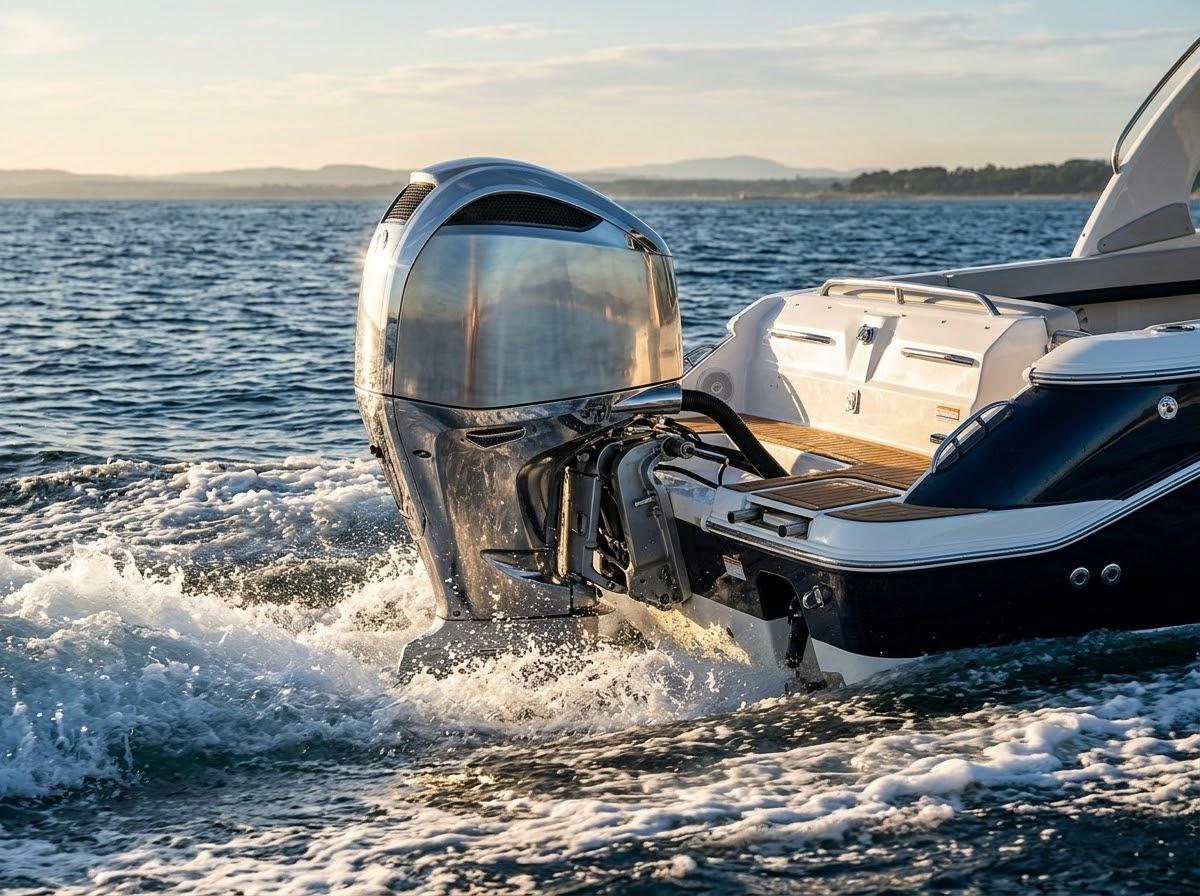
A dependable fuel system is essential for keeping an outboard motor running smoothly. Whether a boat is used for recreational cruising, fishing, or commercial operations, the engine needs a consistent supply of clean fuel to perform efficiently.
Over time, fuel tanks, hoses, filters, and other components can accumulate contaminants or develop problems that affect engine performance. Poor fuel quality, water contamination, and neglected maintenance may lead to difficult starting, irregular idling, reduced power, and unexpected breakdowns.
Understanding how the fuel system works and how to maintain its components can help boat owners avoid these problems and extend the life of their engines.
Understanding the Outboard Motor Fuel System
An outboard motor fuel system is responsible for storing, filtering, and delivering fuel to the engine. Although the exact arrangement varies between models, most systems contain several essential components.
Fuel tank: Stores the fuel required for engine operation. Depending on the boat, the tank may be portable or permanently installed.
Fuel line: Transfers fuel from the tank to the engine. It generally includes hoses and connectors designed for marine use.
Primer bulb: Commonly found on portable fuel systems, it helps move fuel through the line before starting certain engines.
Fuel filter: Removes dirt, debris, and other contaminants before they reach sensitive engine components.
Fuel pump: Delivers fuel at the pressure required by the engine's design.
Fuel injectors or carburetor: These components control how fuel enters the combustion process, depending on the engine type.
Each part plays an important role. A problem in one area can affect the performance of the entire system.
Use the Correct Fuel for Your Engine
Using suitable fuel is one of the simplest ways to protect an outboard motor. Manufacturers specify fuel requirements based on engine design, compression ratio, and fuel delivery technology.
Check the owner's manual for the recommended octane rating, ethanol compatibility, and any additional fuel specifications.
Avoid purchasing fuel from questionable sources, as contaminated or improperly stored fuel can introduce water and debris into the system.
It is also important to understand that different outboard engines have different lubrication requirements. Some two-stroke models require a specific fuel-to-oil mixture, while four-stroke engines use a separate lubrication system.
When comparing outboard motors for sale, review the recommended fuel type and operating requirements before selecting an engine.
Inspect Fuel Hoses and Connections
Fuel hoses are exposed to heat, vibration, sunlight, and changing environmental conditions. Over time, these factors can cause materials to deteriorate.
Inspect hoses regularly for cracks, swelling, hardening, leaks, and loose connections.
Pay particular attention to the areas around connectors, clamps, and fuel filters. Even a small leak can create a fire hazard or allow air to enter the fuel system.
Replace damaged hoses with marine-rated components that meet the manufacturer's specifications. Ordinary automotive hoses may not be suitable for every marine fuel application.
If you notice a strong fuel smell, visible leakage, or damaged connections, stop using the engine until the problem has been corrected.
Keep the Fuel Tank Clean
Fuel tanks can accumulate water, sediment, and other contaminants over time. These substances may enter the fuel system and interfere with normal engine operation.
Portable tanks should be inspected for cracks, damaged fittings, and signs of contamination. Permanently installed tanks may require more specialized inspection.
Keep tank openings clean and ensure that fuel caps and seals are in good condition. Avoid leaving the tank exposed to unnecessary dirt or moisture during refuelling.
For boats that are stored for extended periods, follow the manufacturer's fuel-storage recommendations. Some engines may require an approved fuel stabilizer, while others have specific procedures for long-term storage.
Never use chemicals or additives that have not been approved for your engine.
Replace Fuel Filters at Recommended Intervals
Fuel filters help protect the engine by trapping unwanted particles before they reach sensitive components.
As contaminants accumulate, the filter may become restricted and reduce fuel delivery. This can lead to poor acceleration, inconsistent operation, and reduced engine power.
Some outboard motors use multiple filters, including an engine-mounted filter and a water-separating fuel filter.
Inspect and replace these components according to the manufacturer's maintenance schedule. If the boat regularly operates in areas where fuel quality is uncertain, additional inspections may be necessary.
Understanding Water-Separating Filters
Water-separating filters are particularly useful because water contamination can damage fuel-system components and interfere with combustion.
Some filters include a transparent inspection bowl or water-detection system. Check these components according to the manufacturer's instructions.
If water is detected, follow the recommended draining or replacement procedure. Do not return contaminated fuel to the tank.
Prevent Fuel Problems During Long-Term Storage
Fuel-related problems are common when boats remain unused for extended periods.
Depending on fuel composition and storage conditions, fuel can deteriorate over time. Deposits may develop, particularly in carburetors and other small fuel passages.
Before storing an outboard motor, consult the owner's manual for the correct preparation procedure.
This may include using an approved fuel stabilizer, draining specific fuel-system components, or following a manufacturer-approved storage routine.
Keep fuel tanks properly maintained and stored in accordance with applicable safety requirements. Never store fuel in unsuitable containers or poorly ventilated areas.
Owners researching new outboard engines should consider the manufacturer's long-term storage recommendations before making a purchase.
Recognize Common Fuel System Problems
Understanding early warning signs can help prevent small fuel-system issues from developing into expensive repairs.
Common symptoms include:
-
Difficulty starting the engine.
-
Rough or inconsistent idling.
-
Hesitation during acceleration.
-
Unexpected loss of engine power.
-
Frequent stalling.
-
Increased fuel consumption.
-
Unusual engine behavior at higher speeds.
These symptoms do not always indicate a fuel-system problem. Ignition faults, air leaks, electrical issues, and other mechanical conditions can produce similar signs.
A proper inspection is therefore important before replacing components unnecessarily.
Fuel System Inspection When Buying a Used Outboard
A used outboard motor should be carefully inspected for fuel-related problems before purchase.
Check the visible hoses, connectors, filters, fuel pump area, and engine surroundings for deterioration or leakage. Ask the seller about previous fuel-system servicing and whether the motor has experienced starting or performance difficulties.
If possible, arrange a professional inspection and an appropriate water test. A qualified technician can evaluate fuel delivery and identify issues that may not be visible externally.
When considering a used outboard, maintenance records can provide useful information about previous filter replacements, fuel-system repairs, and general engine care.
Conclusion
Regular fuel system maintenance is essential for reliable outboard motor performance. Clean fuel, suitable hoses, properly functioning filters, and a well-maintained tank all contribute to consistent engine operation.
By inspecting fuel components regularly, following manufacturer recommendations, and addressing leaks or contamination promptly, boat owners can reduce unexpected breakdowns and protect their investment. A well-maintained fuel system helps ensure that an outboard motor remains ready for dependable use throughout the boating season.

 English
 Arabic
 French
 Spanish
 Portuguese
 Deutsch
 Turkish
 Dutch
 Russian
 Romaian
 Portuguese (Brazil)
 Greek