


When Is the Right Age to Start Botox Injections in Oman?
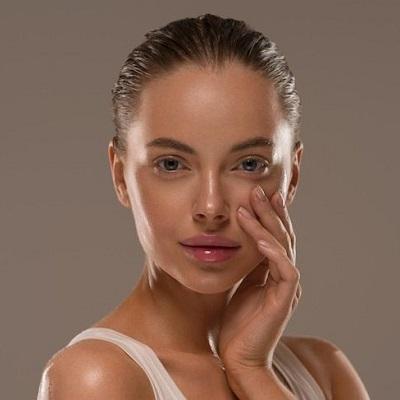
Ageing is a natural process, but the signs of ageing do not appear at the same time for everyone. Some individuals begin noticing fine lines around their eyes or forehead in their twenties, while others may not develop noticeable wrinkles until their late thirties or forties. Factors such as genetics, sun exposure, facial expressions, skincare habits, and lifestyle choices all influence how the skin changes over time. As a result, there is no single age at which everyone should consider cosmetic treatments.
For individuals exploring Botox Injections in Oman, one of the most common questions is when to begin treatment. Botox is a non-surgical injectable procedure designed to temporarily relax specific facial muscles that contribute to expression lines. While some adults consider it as a preventive approach, others choose it when wrinkles become more noticeable. Understanding age-related skin changes, treatment suitability, potential benefits, and safety considerations can help individuals make informed decisions.
1. Is There a Perfect Age to Start Botox Injections?
There is no universally recommended age for starting cosmetic Botox. The right time depends more on an individual's skin condition, facial muscle activity, medical history, and aesthetic concerns than on their age alone.
Botox is generally approved for specific cosmetic uses in adults, with minimum age requirements depending on the product, indication, and local regulatory guidance. However, being old enough to receive treatment does not automatically mean that someone needs it.
Some individuals develop dynamic wrinkles earlier because of frequent facial expressions, genetic factors, or environmental exposure. Others naturally maintain smoother skin for longer.
A professional assessment can help determine whether Botox is appropriate or whether other approaches, such as moisturising skincare, sun protection, or treatments targeting skin texture, would be more suitable.
The main consideration should be whether there is a genuine treatment concern rather than following an age-related beauty trend. Cosmetic injections should be based on individual needs, realistic expectations, and medical suitability.
2. Starting Botox in Your 20s: Is Preventive Botox Worth Considering?
The twenties are often associated with relatively firm, elastic skin and fewer visible signs of ageing. However, some individuals begin noticing faint expression lines during this period, particularly around the forehead and eyes.
This has contributed to the popularity of preventive Botox, sometimes called preventative injections.
What Is Preventive Botox?
Preventive Botox involves using carefully selected doses to reduce repetitive muscle movements that may contribute to the development of deeper expression lines over time.
For example, someone who frequently raises their eyebrows or frowns may notice fine lines appearing in the corresponding areas. Botox temporarily relaxes the muscles responsible for these movements, potentially reducing the repetitive folding of the skin.
Is Botox Necessary in the Twenties?
Not necessarily. Most individuals in their twenties do not need cosmetic Botox simply because they want to prevent future wrinkles.
If expression lines are visible only during facial movements and disappear when the face is relaxed, treatment may not be necessary. Consistent skincare, daily sunscreen use, adequate hydration, and healthy lifestyle habits can provide valuable long-term support for skin health.
Preventive Botox may be considered by selected adults who have noticeable expression-related lines and understand the temporary nature, costs, and potential risks of treatment.
The goal should never be to eliminate natural facial expressions or begin injections unnecessarily early.
3. Botox in Your 30s: A Common Time to Consider Treatment
The thirties are often when people begin noticing more persistent changes in their skin. Collagen production gradually declines, and repeated facial movements may leave fine lines that remain visible even when the face is relaxed.
Common concerns during this stage include:
-
Horizontal forehead lines.
-
Fine lines around the outer corners of the eyes.
-
Early frown lines between the eyebrows.
-
Expression lines that take longer to disappear.
-
Mild wrinkles caused by repeated facial movements.
For some individuals, the thirties may be an appropriate time to explore Botox, particularly when expression lines become more noticeable.
Why Can the Thirties Be a Suitable Stage?
At this age, individuals may begin recognising specific areas where facial expressions contribute to visible wrinkles. Botox can temporarily reduce the activity of selected muscles, helping soften these lines.
However, not every wrinkle responds equally well to Botox. Dynamic wrinkles are generally more suitable for treatment than static wrinkles caused by sun damage, collagen loss, or reduced skin elasticity.
A personalised assessment helps distinguish between these concerns and determine whether Botox alone is likely to provide the desired improvement.
Starting treatment in the thirties does not mean injections must continue indefinitely. Individuals can decide whether to repeat treatment after evaluating the results and discussing their preferences with a qualified professional.
4. Botox in Your 40s and Beyond: Can It Still Be Effective?
Botox can remain a suitable cosmetic option for many adults in their forties, fifties, and beyond. It is not exclusively intended for younger individuals or for preventing the first signs of ageing.
As the skin matures, wrinkles may become deeper and more noticeable. Some expression lines may remain visible even when the facial muscles are relaxed.
Botox can still help soften wrinkles associated with muscle activity, including:
-
Forehead expression lines.
-
Frown lines between the eyebrows.
-
Crow's feet around the eyes.
However, mature skin may have additional concerns that Botox cannot address independently.
For example, age-related volume loss, reduced skin elasticity, deeper folds, and loose skin may require different treatment approaches. Botox relaxes muscles but does not replace lost facial volume or tighten significant excess skin.
What Should Older Adults Consider Before Treatment?
Individuals in their forties and beyond should receive an assessment that considers facial anatomy, skin condition, medical history, medications, and aesthetic goals.
The treatment plan may differ from that of a younger individual because facial muscle strength and skin characteristics change over time.
A conservative approach can help maintain natural facial movement while addressing specific wrinkles. Realistic expectations are particularly important when several signs of ageing are present.
5. Factors That Determine the Right Time to Start Botox
Although age provides a general indication of skin maturity, several other factors play a more important role in determining whether someone is a suitable candidate.
Skin Condition and Wrinkle Formation
Individuals with noticeable dynamic wrinkles may be more suitable candidates than those with no visible expression lines. A professional assessment can identify whether the concern is related to muscle movement, skin quality, or volume loss.
Genetics
Genetics influence skin thickness, elasticity, collagen production, and the age at which wrinkles become noticeable. Some people naturally develop forehead lines or crow's feet earlier than others.
Sun Exposure
Frequent exposure to ultraviolet radiation can accelerate skin ageing by damaging collagen and elastin. People living in sunny climates, including Oman, should pay particular attention to sun protection.
Daily sunscreen use, protective clothing, and avoiding excessive sun exposure can help reduce premature skin ageing.
Facial Expressions
People who frequently squint, frown, or raise their eyebrows may develop expression lines earlier. Repeated muscle contractions can contribute to wrinkles over time.
Lifestyle Habits
Smoking, inadequate sleep, dehydration, and poor nutrition can negatively affect overall skin health. Healthy daily habits support the skin's natural condition and complement any cosmetic treatment.
Medical Suitability
Medical history is essential before receiving Botox. Certain neuromuscular disorders, allergies, medications, and other health circumstances may increase treatment risks or make injections unsuitable.
Pregnant and breastfeeding individuals are generally advised to avoid cosmetic Botox because adequate safety information is unavailable.
6. What to Expect Before and After Starting Botox Treatment
Anyone considering Botox should understand the treatment process and the importance of professional guidance.
Before the Procedure
The first step is a consultation with a qualified healthcare professional experienced in cosmetic injectables.
During the assessment, the professional may:
-
Review the individual's medical history.
-
Discuss previous cosmetic treatments.
-
Examine facial muscles and skin condition.
-
Identify the areas responsible for visible expression lines.
-
Explain expected results and potential side effects.
-
Develop an appropriate treatment plan.
Individuals should disclose all medications, supplements, allergies, and relevant medical conditions before treatment.
During the Procedure
Botox is administered using a fine needle into selected facial muscles. The number of injections depends on the treatment area, muscle activity, and individual requirements.
The procedure generally takes around 10 to 20 minutes, although appointment times vary.
Most individuals experience only mild discomfort, often described as a brief pinching sensation.
After the Procedure
Botox does not produce immediate results. Initial changes may become noticeable within three to five days, while the full effects generally develop over approximately 10 to 14 days.
Results commonly last around three to four months, although individual experiences vary.
Mild redness, swelling, tenderness, or bruising may occur around the injection sites. These effects are generally temporary.
Aftercare recommendations may include:
-
Avoiding rubbing or massaging the injection areas.
-
Remaining upright for approximately four hours after treatment.
-
Avoiding strenuous exercise for the remainder of the treatment day.
-
Following all personalised medical instructions.
-
Attending a recommended follow-up assessment.
Although serious complications are uncommon, individuals should seek urgent medical attention if they experience difficulty breathing, swallowing, or speaking, or develop generalised muscle weakness.
Frequently Asked Questions About the Right Age for Botox
1. What is the best age to start Botox injections?
There is no single best age for everyone. Some adults consider Botox in their late twenties or thirties when expression lines become noticeable, while others may not need it until later in life. Suitability depends on skin condition, facial muscle activity, medical history, and individual concerns.
2. Can someone start Botox at 25?
Adults aged 25 may be suitable candidates if they have specific expression-related wrinkles and meet the relevant medical requirements. However, Botox is not necessary for everyone at this age. Preventive treatment should be considered carefully rather than used simply to follow a cosmetic trend.
3. Is starting Botox in your 30s too late?
No. The thirties are a common time to consider Botox because fine expression lines may become more noticeable during this stage. Treatment can help soften wrinkles caused by repeated facial movements, provided the individual is medically suitable.
4. Does Botox work for people over 50?
Yes. Many adults over 50 can benefit from Botox when their concerns involve muscle-related wrinkles. However, deeper wrinkles, skin laxity, and volume loss may require other approaches because Botox does not directly address these ageing changes.
5. Will starting Botox early prevent wrinkles permanently?
No. Botox does not permanently prevent wrinkles or stop the natural ageing process. It temporarily reduces muscle activity, which may help delay the development or deepening of certain expression lines. Results gradually wear off, and facial muscles regain their activity.
6. How can someone know whether they are ready for Botox?
Someone may consider Botox when expression lines become a genuine concern and they understand the procedure, limitations, and potential risks. A consultation with a qualified healthcare professional is the best way to determine whether treatment is appropriate.
Final Thoughts
The right age to start Botox depends on individual skin characteristics rather than a specific birthday. While some adults may consider preventive treatment in their twenties, others may find that their thirties, forties, or even later years are more appropriate.
The most important factor is identifying whether visible wrinkles are caused by repeated facial muscle movements and whether Botox can realistically address them. Maintaining healthy skincare habits, protecting the skin from sun exposure, and seeking professional medical advice can also support long-term skin health.
Ultimately, Botox should be a personal choice based on medical suitability, realistic expectations, and individual aesthetic goals. A carefully planned approach can help soften expression lines while preserving natural facial features and expressions.
Read More About Botox Injections: https://socialfollow.demo4.dedicatedhost247.com/blogs/20847/IV-Drip-Myths-vs-Facts-What-s-Really-True

 English
 Arabic
 Spanish
 Portuguese
 Deutsch
 Turkish
 Dutch
 Italiano
 Russian
 Romaian
 Portuguese (Brazil)
 Greek