


Are Modern Skin Tag Treatment Methods Safe and Effective?
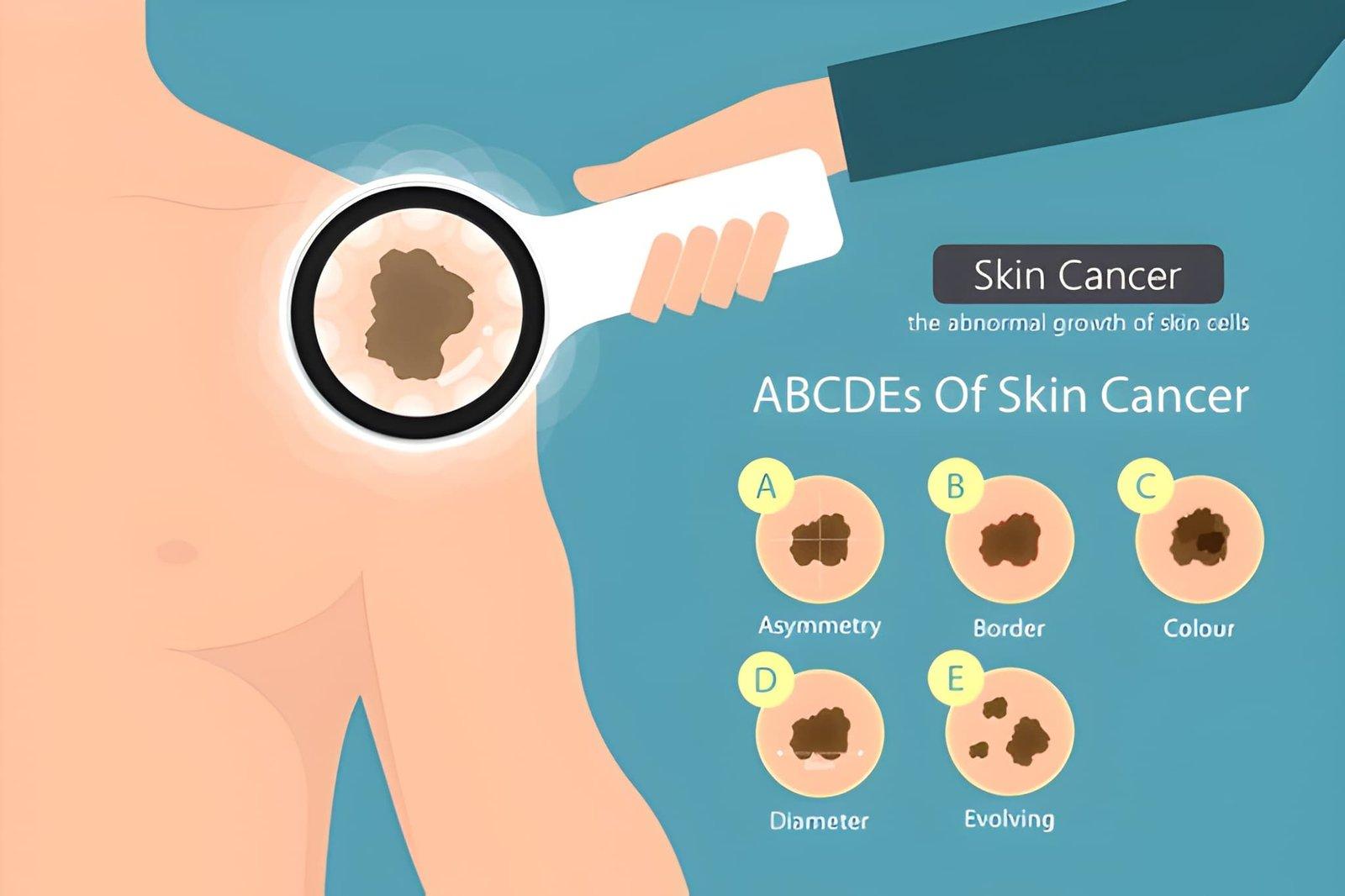
Skin tags are among the most common skin growths seen by dermatology professionals. Although they are usually harmless, many people seek treatment because of cosmetic concerns or physical discomfort. Advances in dermatology have introduced several modern techniques that can remove unwanted skin growths safely and efficiently.
At Harley Street Prestige Medical, patients often visit a Harley Street dermatology clinic in London to learn more about available options and determine whether treatment is right for them. Understanding how current methods work can help you make an informed decision about your skin health.
What Is a Skin Tag?
A skin tag is a small, soft growth that develops on the surface of the skin. It often appears in areas where friction occurs regularly, such as the neck, underarms, groin, or beneath the breasts.
These growths are generally flesh coloured and may vary in size. Some remain very small, while others become more noticeable over time. Although a skin tag is not usually painful, it can become irritated when it rubs against clothing, jewellery, or other surfaces.
Why Do People Consider Treatment?
Not everyone chooses to remove a skin tag. However, there are several reasons why treatment may be considered.
Common motivations include:
Growths located in highly visible areas that affect confidence and make individuals feel self-conscious in social or professional situations.
Repeated irritation caused by clothing, accessories, shaving, or everyday movement that leads to ongoing discomfort.
Concerns about the appearance of a new skin growth and the desire for professional assessment and reassurance.
Practical issues caused by larger growths that catch on fabrics and become bothersome during daily activities.
For many individuals, treatment is about improving comfort and confidence rather than addressing a serious medical issue.
How Have Skin Tag Treatments Improved?
Modern dermatology has evolved significantly over the years. Earlier methods often focused solely on removing the growth, whereas current approaches place equal importance on precision, patient comfort, and skin appearance.
Today's procedures are designed to minimise unnecessary tissue damage while achieving effective results. Dermatology professionals now have access to advanced tools and techniques that allow them to treat growths more accurately than ever before.
As a result, patients often experience a smoother treatment process and a quicker return to their normal routines.
What Makes Modern Methods Safe?
Safety is one of the main reasons people choose professional treatment rather than attempting removal at home.
Several factors contribute to the safety of modern procedures.
Professional Diagnosis
Before any treatment begins, a specialist evaluates the growth to confirm that it is actually a skin tag. This step is important because not all skin lesions are the same.
Controlled Treatment Environment
Professional procedures are performed in a clinical setting where proper hygiene standards help reduce the risk of complications.
Tailored Treatment Approach
Every patient is different. Factors such as the size, location, and number of growths are considered when selecting the most suitable treatment method.
Focus on Patient Comfort
Modern dermatology aims to make procedures as comfortable as possible while maintaining high standards of care.
What Makes Modern Methods Effective?
Effectiveness is measured by more than simply removing a growth. Successful treatment should also support healthy healing and achieve a satisfactory cosmetic outcome.
Modern techniques are effective because they focus on:
- Targeting the growth with precision while minimising unnecessary impact on surrounding skin.
- Providing consistent results through methods that have been refined over years of clinical use.
- Supporting smoother healing by using carefully controlled treatment techniques.
- Offering personalised solutions based on individual skin characteristics and treatment goals.
This combination of precision and expertise helps many patients achieve positive outcomes.
What Should You Expect During a Consultation?
A consultation is an important first step in the treatment process.
During the appointment, a specialist may:
Examine the affected area and assess the characteristics of the growth to ensure an accurate diagnosis.
Discuss any symptoms, concerns, or cosmetic goals that may influence the treatment plan.
Explain available options and guide the most appropriate approach for your situation.
Answer questions about the procedure, aftercare, and expected recovery.
This discussion helps patients feel informed and confident before moving forward with treatment.
Understanding Skin Tag Removal Options
Individuals interested in skin tag removal treatment in London often have questions about the available methods. While treatment approaches may vary depending on the patient and the characteristics of the growth, the primary goal remains the same.
The objective is to remove the unwanted growth safely while preserving the appearance and health of the surrounding skin.
Professional recommendations are based on individual needs rather than a one-size-fits-all approach. This personalised strategy helps ensure the most appropriate outcome for each patient.
Why Professional Care Is Better Than Home Removal
Some people consider removing skin growths themselves after reading online advice. However, home methods can create unnecessary risks.
Potential drawbacks include:
- Difficulty identifying whether the growth is actually a skin tag or another skin condition requiring medical attention.
- Increased likelihood of bleeding, irritation, or infection due to improper techniques.
- Greater risk of skin damage or unwanted scarring that may affect appearance.
- Lack of professional guidance if complications occur during or after removal.
Professional care offers a safer and more reliable alternative for those seeking treatment.
Aftercare and Recovery
After treatment, proper aftercare plays an important role in supporting the healing process.
Patients are typically encouraged to:
- Follow all aftercare instructions provided by their practitioner to promote healthy recovery.
- Keep the treated area clean and protected while healing takes place.
- Avoid unnecessary irritation or friction that could affect the healing skin.
- Attend any recommended follow-up appointments if further evaluation is needed.
Most individuals find that recovery is straightforward when professional guidance is followed carefully.
Frequently Asked Questions
Are modern skin tag treatments painful?
Most modern procedures are designed with patient comfort in mind. The level of discomfort varies depending on the treatment method and the location of the growth.
Is professional treatment necessary for every skin tag?
Not always. Many skin tags are harmless. However, professional assessment can help determine whether treatment is appropriate.
Can a skin tag return after removal?
The treated growth usually does not return. However, new skin tags may develop in different areas over time.
How long does recovery take?
Recovery varies between individuals and depends on the treatment approach used. The recovery period is often short, making it easier to return to normal life without significant interruption.
Why should a dermatologist assess a skin tag?
A professional evaluation helps confirm the diagnosis and ensures that the most suitable treatment plan is selected.
Conclusion
Modern dermatology has made skin tag removal safer, more precise, and more effective than ever before. Through professional assessment, personalised treatment planning, and advanced techniques, patients can address unwanted skin growths with confidence.
Whether treatment is being considered for comfort, cosmetic reasons, or peace of mind, seeking expert guidance is an important first step. By choosing professional care, individuals can benefit from safe procedures, effective outcomes, and support throughout the treatment journey.

 English
 Arabic
 French
 Spanish
 Portuguese
 Deutsch
 Dutch
Dutch
 Italiano
 Russian
 Romaian
 Portuguese (Brazil)
 Greek
Greek