


Hammer Toes Explained: Symptoms, Causes and What You Can Do
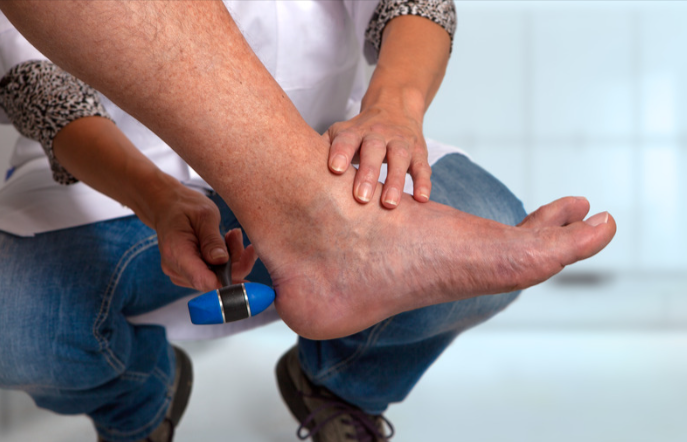
If your second or third toe has started to curl downwards like a claw and rubs painfully against your shoes, the right hammer toe treatment can stop the problem from getting worse and take the pressure off. Hammer toes are very common and very treatable, and many people never need surgery if they act early.
This guide covers what a hammer toe is, why it forms, what you can try at home, and when it is sensible to ask a specialist for help.
What is a hammer toe?
A hammer toe is a bend in the middle joint of a smaller toe, most often the second. The toe bends upwards at that joint and the tip points down, so the knuckle sticks out. The outline resembles a hammer, which is where the name comes from.
The deformity starts because the small muscles and tendons that hold the toe straight become out of balance. One side pulls harder than the other, and over time the joint stiffens in that position. The condition has two stages:
- Flexible hammer toe: the joint can still be straightened by hand. This is the best time to act.
- Rigid hammer toe: the joint has stiffened and will not straighten, even with gentle pressure. This usually needs more than simple measures.
Symptoms to watch for
- A toe that bends at the middle joint
- Pain or irritation on top of the bent knuckle, where it rubs on your shoe
- Corns on the top of the toe or calluses under the ball of the foot
- Redness, swelling or burning around the toe
- Difficulty finding shoes that feel comfortable
- Reduced movement in the toe, or pain when you try to straighten it
- In more advanced cases, open sores over the knuckle
Many people first notice a corn and only later realise the toe has been changing shape underneath.
What causes hammer toes?
Muscle imbalance is the direct cause, but several things push a toe in that direction:
- Footwear. Narrow, pointed or high-heeled shoes squeeze the toes into a bent position for hours at a time.
- Foot structure. Flat feet, high arches or a second toe that is longer than the big toe all raise the risk.
- Bunions. A big toe that drifts towards the smaller toes can push the second toe out of line.
- Injury. A broken or badly stubbed toe can change how it sits.
- Medical conditions. Arthritis, diabetes and nerve problems can all contribute.
- Family history. Foot shape runs in families, and so does the tendency to develop toe deformities.
Women are affected more often than men, mostly because of footwear choices, but anyone can develop the condition.
How is it diagnosed?
Diagnosis is usually straightforward. A specialist will look at the shape of your toe, check whether it still moves freely, and examine your skin for corns and pressure points. They will also watch how you stand and walk. A weight-bearing X-ray is often taken to look at the joint and the alignment of the neighbouring toes. Further tests are rarely needed unless there is concern about nerve problems or another condition.
Starting with simple measures
For flexible hammer toes, simple steps often keep symptoms under control.
Better shoes. Choose footwear with a deep, wide toe box so the toes can lie flat. Aim for a thumb’s width of space beyond your longest toe, and keep heels low.
Padding and protection. Soft silicone toe caps, gel sleeves or cushioned pads over the knuckle reduce rubbing. Metatarsal pads can ease pressure under the ball of the foot.
Toe exercises. Gently stretching the toe, picking up a towel or marbles with your toes, and doing a few minutes of toe curls and spreads each day help keep the joint mobile. A physiotherapist can show you the right technique.
Splints and straighteners. Some people use soft toe splints or crests to hold the toe in a better position. They work best on flexible toes and tend to give short-term comfort rather than permanent correction.
Orthotics. Insoles with a built-up area can ease strain on the toe and help correct an underlying foot position problem.
Corn care. Do not cut corns yourself. A podiatrist can safely remove hard skin and recommend padding.
Another useful reminder: hammer toes often overlap with other forefoot conditions, so a plan for hammer toes treatment should look at the whole foot, including any bunion or arthritis in the big toe, rather than just the bent toe in isolation.
When do simple measures stop working?
You may need to think about further options if:
- The toe has become rigid and will not straighten
- Pain continues despite suitable shoes and padding
- Corns or calluses keep coming back
- You have open sores, infection or broken skin over the knuckle
- The toe is overlapping or pushing against its neighbours
- Walking, work or exercise has become uncomfortable
If you have diabetes or poor circulation, do not wait. Even a small sore on a toe can become serious, so seek advice promptly.
Surgical options
Surgery is considered when a deformity is rigid or when pain is not controlled by other means. The operation depends on how flexible the toe is.
- Tendon release or transfer. For flexible toes, the surgeon may release a tight tendon or move another tendon to rebalance the toe. The joint itself is not altered.
- Joint resection (arthroplasty). Part of the bone at the bent joint is removed so the toe can straighten. Movement is generally preserved.
- Fusion (arthrodesis). The bone ends at the affected joint are joined, usually with a small pin or implant, to hold the toe straight. This gives a stable result for rigid toes.
- Combined procedures. If a bunion or other deformity is present, the surgeon may correct several issues at once.
Most operations are day cases under a local or regional anaesthetic, and the toe is usually protected with a dressing or a temporary pin.
What recovery looks like
Recovery varies, but you can generally expect:
- First two weeks: elevate the foot, keep the dressing dry and wear a protective post-operative shoe. Swelling is normal.
- Weeks two to six: stitches are removed, any pin is taken out at the time your surgeon advises, and you gradually return to walking.
- Six to twelve weeks: most people return to supportive shoes and normal daily activity.
- Three to six months: swelling settles and full activity, including sport, is usually possible.
The toe may stay slightly swollen or a little stiff for some months. Following the exercise plan from your surgeon or physiotherapist helps the toe settle well.
Risks to be aware of
All surgery carries risks. For hammer toe procedures these include stiffness, persistent swelling, infection, numbness around the toe, a toe that does not sit perfectly straight, and the problem coming back. A thorough discussion before surgery lets you weigh these against your current symptoms.
Heel and ankle problems that can appear alongside
Foot problems rarely exist in isolation. A tight calf or a change in the way you walk because of a painful toe can put extra load on the back of the leg. Sudden pain with a pop at the back of the heel is not a toe problem at all. If that ever happens, you should know that modern achilles tendon rupture treatment works best when started early, so do not wait to be seen.
Finding the right specialist
If your toe is rigid, painful or causing skin damage, it makes sense to see someone who treats feet and ankles every day. An Orthopedic ankle Specialist in Staffordshire can assess your whole foot, explain whether non-surgical care still has a chance of working, and give you a clear view of what each option involves. Good specialists will talk through all the choices, including leaving things as they are.
Everyday habits that protect your toes
- Choose shoes with room for your toes, and have your feet measured regularly.
- Avoid high heels for long stretches.
- Do a few toe stretches each day.
- Check your feet for redness, corns or sores, especially if you have diabetes.
- Replace worn-out shoes and insoles.
Frequently asked questions
Can a hammer toe be fixed without surgery?
A flexible hammer toe can often be managed well with shoes, padding, exercises and orthotics. A rigid toe will not straighten without an operation, though pain can often still be reduced.
Will a hammer toe get worse if I ignore it?
Often, yes. A flexible toe can become rigid over time, which limits your options. Early action keeps more choices open.
Do toe splints really work?
They can ease discomfort and help a flexible toe sit better, but they rarely give permanent correction on their own.
How long does recovery from hammer toe surgery take?
Most people walk in a protective shoe straight away and return to normal footwear in six to twelve weeks. Swelling can last a few months.
Can a hammer toe come back after surgery?
It is possible, particularly if the underlying cause, such as a bunion or tight footwear, is not addressed. Good shoes and follow-up care lower the risk.
Is a hammer toe the same as a claw toe?
They are similar but not identical. A hammer toe bends at the middle joint, while a claw toe bends at more than one joint and often affects several toes.
Final thoughts
A hammer toe is easier to manage the earlier you deal with it. Roomy shoes, padding and simple exercises help many people, and surgery is available when the toe stiffens or keeps causing pain. If your toe is changing shape or rubbing painfully, getting a clear diagnosis is a sensible next step.

 English
 Arabic
 French
 Spanish
 Portuguese
 Deutsch
 Turkish
 Dutch
 Russian
 Romaian
 Portuguese (Brazil)
 Greek