


How to Avoid Common Mistakes Before a Visa Blood Test?
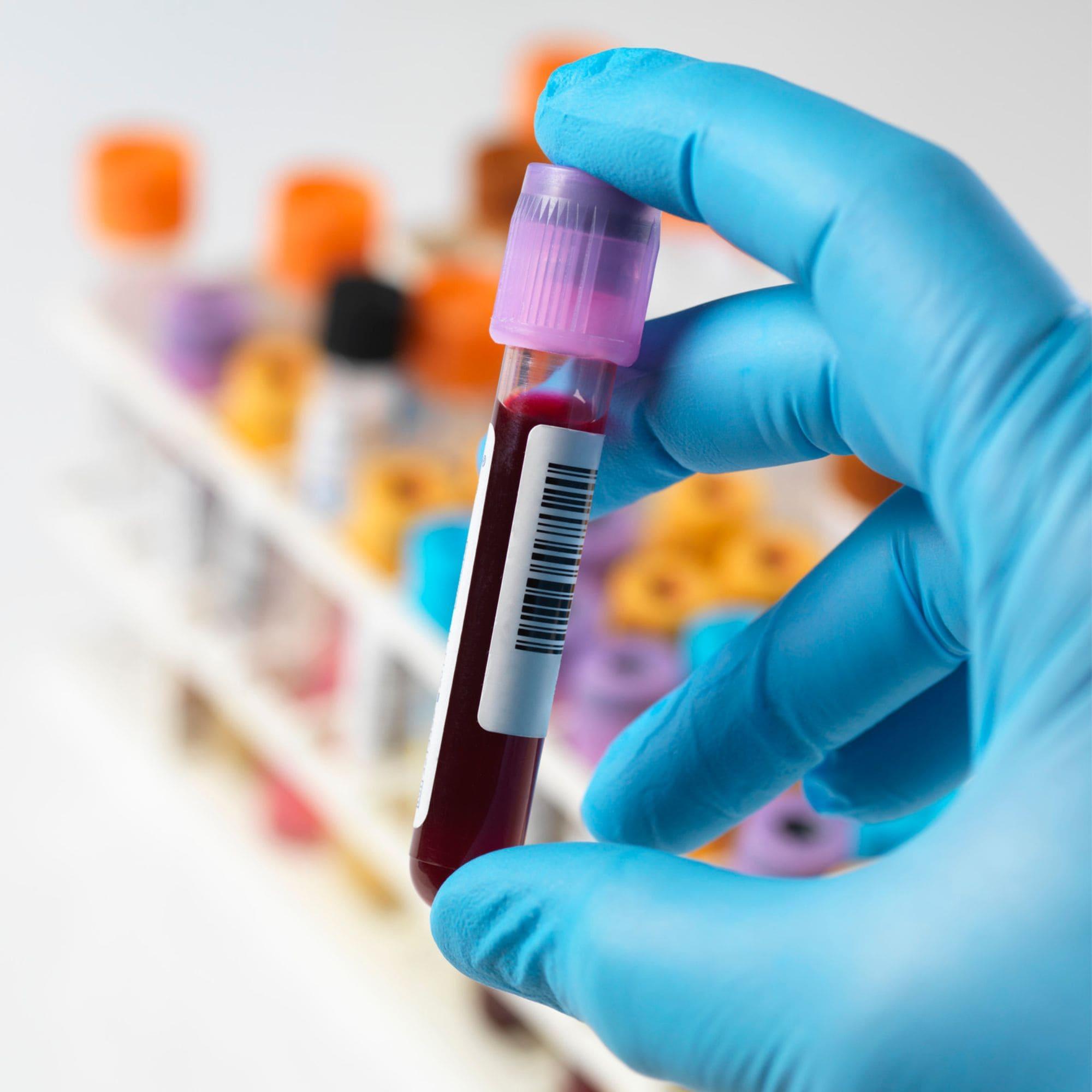
A visa blood test may seem like a simple step in the immigration process, but small mistakes before the appointment can create unnecessary stress, repeat visits, or delays in completing a medical examination. Forgetting important documents, misunderstanding fasting instructions, providing incomplete medical information, or visiting an unauthorized laboratory can complicate an otherwise straightforward process.
The best way to prepare is to understand what the examination involves, confirm your instructions in advance, and avoid assumptions based on another person's experience. This guide explains the mistakes applicants commonly make before a visa blood test and how to prevent them.
Start With the Right Information: Confirm Your Testing Requirements
One of the biggest mistakes is preparing for a Visa Blood Test Dubai without first checking the official requirements.
Immigration medical examinations differ between countries and programs. Some applicants may need specific infectious disease screening, while others may require additional investigations based on age, occupation, medical history, or individual circumstances.
Before booking your appointment, confirm:
-
Which medical examinations are required for your visa category.
-
Whether blood testing is part of the examination.
-
Whether you must visit an approved panel physician or designated medical center.
-
Which documents you need to bring.
-
Whether an appointment or immigration reference number is required.
-
Whether there are specific instructions about fasting or medication.
Do not rely entirely on social media posts, outdated articles, or advice from friends. A test required for one country's immigration program may not be required for another.
Practical tip: Use the official immigration authority's website and contact the authorized medical provider if any instruction is unclear.
The Seven Mistakes That Can Disrupt Your Appointment:
Understanding common preparation errors makes it easier to avoid them. The following mistakes are especially important for visa applicants.
Mistake 1: Visiting a Laboratory That Is Not Authorized
Not every diagnostic laboratory can complete an immigration medical examination.
Many immigration programs require applicants to use an approved panel physician, designated clinic, or authorized medical facility. Even if an ordinary laboratory offers the same blood tests, its report may not meet the immigration program's submission requirements.
How to avoid it: Confirm the approved provider before booking. Ask whether the facility handles your specific visa category and whether it submits medical results directly to the relevant immigration authority when required.
Mistake 2: Ignoring Fasting Instructions
Some applicants assume that every visa blood test requires fasting. Others arrive after eating because they believe all blood tests can be performed without preparation.
Both assumptions can cause problems.
Many infectious disease screening tests do not require fasting. However, if your examination includes tests such as fasting glucose or another investigation with specific preparation requirements, the healthcare provider may ask you not to eat for a certain period.
Fasting requirements depend on the actual tests ordered, not simply on the fact that the appointment is for immigration.
How to avoid it: Ask the medical center whether fasting is necessary and, if so, how long you should fast. Do not impose unnecessary fasting on yourself.
Mistake 3: Forgetting Essential Documents
Arriving without the correct identification or appointment information can delay the examination.
Depending on the immigration program, you may need:
-
A valid passport or accepted identification document.
-
Appointment confirmation.
-
Immigration application or reference number.
-
Medical examination instructions or forms.
-
Previous medical reports, if relevant.
-
Prescription details or a list of current medicines.
Requirements vary, so check the clinic's instructions before leaving home.
How to avoid it: Prepare your documents the day before your appointment and keep them together in one folder. Confirm whether digital copies are accepted or original documents are required.
Mistake 4: Providing Incomplete Medical History
Some applicants focus so much on passing the visa medical test that they forget to disclose relevant health information.
A medical history review may include questions about previous infections, operations, ongoing conditions, hospital admissions, and current treatment. Incomplete information can make it harder for the examining physician to interpret results or decide whether further investigations are needed.
How to avoid it: Give accurate answers about your health. If you have previous laboratory reports or relevant medical records, ask whether you should bring them.
Remember that a medical condition does not automatically mean that your visa application will be refused. Immigration health rules vary, and the relevant authority makes decisions under its own criteria.
Mistake 5: Stopping Medication Without Medical Advice
Some applicants worry that prescription medicines or supplements may affect their visa blood test results. They may stop taking medication before the appointment without consulting a healthcare professional.
This is not a safe preparation strategy. Although certain medicines can influence selected laboratory measurements, their effects depend on the specific test and medication. Many infectious disease screening tests are not meaningfully altered by ordinary medication use.
How to avoid it: Continue prescribed treatment unless your healthcare professional advises otherwise. Tell the examining physician about all medicines and supplements you use, including non-prescription products.
Mistake 6: Assuming Every Applicant Needs the Same Blood Tests
A common misconception is that every immigration medical examination includes an identical group of blood tests.
In reality, possible investigations may include HIV, hepatitis B, hepatitis C, or syphilis screening, depending on the country's rules and the applicant's circumstances. Other tests may be requested when clinically indicated.
For example, hepatitis C antibody screening does not by itself establish an active infection. An HCV RNA test may be used to assess whether the virus is currently present. Similarly, hepatitis B markers such as HBsAg, anti-HBs, and anti-HBc require interpretation together.
Tuberculosis screening also deserves attention. It may involve a chest X-ray, clinical assessment, an IGRA blood test, or a skin test, depending on the program. A standard infectious disease blood panel does not automatically test for tuberculosis.
How to avoid it: Follow the test list provided by your authorized medical provider rather than purchasing a broad screening package independently.
Mistake 7: Booking Too Close to an Important Immigration Deadline
Applicants sometimes schedule their medical examination shortly before a visa submission deadline, travel date, or employment start date.
This leaves little room for repeat testing, additional medical investigations, or administrative processing.
Routine laboratory results may take a few working days, but this is only a general estimate. Specialized tests and confirmatory investigations can take longer. The medical review and submission process may also require additional time.
How to avoid it: Arrange your appointment as early as your immigration instructions allow. Ask the provider about estimated processing times and any deadlines that apply to your case.
A Simple Preparation Timeline:
Instead of trying to remember everything on the appointment day, organize your preparation into three stages.
Several Days Before the Test
-
Review your official immigration medical instructions.
-
Confirm the approved clinic or panel physician.
-
Book the required appointment.
-
Check which documents and previous reports are needed.
-
Ask whether fasting or any other preparation is required.
The Day Before
-
Put your identification and appointment documents together.
-
Prepare a list of current medications and relevant medical history.
-
Confirm the appointment time and location.
-
Follow any specific preparation instructions given by the clinic.
-
Avoid making unnecessary changes to your normal medication routine.
On the Appointment Day
-
Arrive with enough time to complete registration.
-
Present the required documents.
-
Answer medical history questions accurately.
-
Tell the healthcare professional about relevant medicines or health concerns.
-
Ask for clarification if you do not understand a procedure or instruction.
This simple approach can reduce avoidable delays and help the appointment proceed smoothly.
What If You Make a Mistake Before the Visa Blood Test?
Not every preparation mistake means that your examination must be cancelled.
If you forget a document, contact the clinic to ask whether you can provide it later. If you accidentally eat before a test that requires fasting, tell the healthcare professional rather than hiding the information. The provider can decide whether the test can proceed or should be rescheduled.
If you have stopped medication, missed an instruction, or provided incorrect medical information, explain what happened and ask for professional guidance.
Being transparent is generally more useful than attempting to correct a problem without informing the medical team.
How to Reduce Stress and Avoid Misunderstanding Your Results?
An immigration blood test can feel stressful because applicants may worry about how the findings will affect their future plans. However, preparation and realistic expectations can make the experience easier.
Keep these points in mind:
-
A screening test is not always a final diagnosis.
-
A reactive result may require confirmatory testing.
-
An unexpected result does not automatically mean visa refusal.
-
A delay in receiving results does not necessarily indicate a medical problem.
-
Completing the medical examination does not guarantee visa approval.
The laboratory performs the requested analysis, the examining physician reviews the medical findings, and the immigration authority makes the visa decision under the applicable rules. These are related but separate stages.
If a result is unclear, ask the physician to explain it rather than relying on an online interpretation.
Frequently Asked Questions:
Can I eat before a visa blood test?
It depends on the tests included in your examination. Many infectious disease screening tests do not require fasting, but certain additional tests may. Follow the instructions from your medical provider.
Should I stop taking medication before the test?
No. Do not stop prescribed medication without advice from your healthcare professional. Disclose all medicines and supplements during your examination.
Can I take my previous blood test reports?
Yes, previous reports may be useful for the physician, particularly if you have a relevant medical history. However, whether they can replace newly requested immigration tests depends on the program's requirements.
What happens if I forget my passport or appointment documents?
Contact the medical facility as soon as possible. It may ask you to provide the missing document later or reschedule the appointment, depending on its identification and registration procedures.
Does an abnormal visa blood test always mean rejection?
No. An abnormal or reactive result may require further investigation and medical interpretation. The immigration outcome depends on the relevant country's health criteria and individual assessment.
Final Checklist: Are You Ready for Your Visa Blood Test?
Before leaving for your appointment, check that you have:
-
Confirmed the official medical requirements for your visa.
-
Booked an appointment with an authorized provider.
-
Prepared the required identification and immigration documents.
-
Checked whether fasting is necessary.
-
Prepared information about your medical history and medication.
-
Collected relevant previous medical reports.
-
Allowed sufficient time for testing and possible follow-up.
Conclusion:
Avoiding common mistakes before a visa blood Lab tests is mainly about preparation, accurate information, and following the correct medical instructions. Choosing an authorized facility, checking fasting requirements, bringing the necessary documents, disclosing your medical history, and allowing enough time for results can help prevent unnecessary complications.
Most importantly, remember that immigration medical requirements are not identical across countries or visa categories. Do not rely on assumptions or try to influence your results by changing medication or following unverified preparation advice.
Check the latest instructions from the relevant immigration authority and confirm any uncertainties with your authorized medical provider. A well-prepared appointment makes the immigration medical process clearer, more organized, and easier to manage.

 English
 Arabic
 French
 Spanish
 Portuguese
 Deutsch
 Turkish
 Dutch
 Italiano
 Romaian
 Portuguese (Brazil)
 Greek