


FDM vs Resin 3D Printing: How to Choose the Right Technology
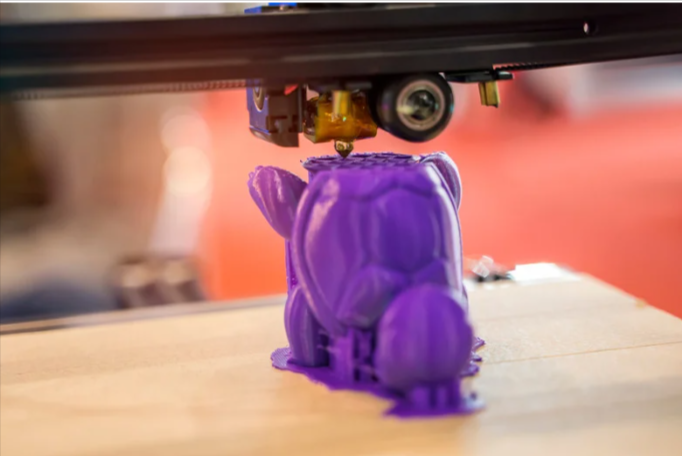
A Resin 3D printer and a filament printer can both turn a digital file into a physical object, yet they work in completely different ways and suit completely different jobs. Picking the wrong one is the most common beginner regret, and it is easy to avoid once you understand what each technology does well.
This guide compares FDM and resin printing across detail, strength, speed, cost, safety and workflow, then shows you how to match the technology to your own projects.
How FDM printing works
FDM stands for fused deposition modelling. The printer feeds a plastic filament into a heated nozzle, melts it and lays it down in thin layers on a build plate. As each layer cools, it bonds to the one below, gradually building the object.
Common materials include PLA, PETG, ABS, TPU and engineering filaments. Machines range from simple entry-level models to fast, enclosed, multi-colour systems.
How resin printing works
Resin printing, usually MSLA or LCD technology, uses a vat of liquid photopolymer. A UV light source passes through an LCD screen and cures the resin layer by layer, as the build plate lifts the model out of the liquid.
The result is a print with extremely fine detail and a smooth surface. But the print comes out wet and sticky, and needs washing and curing before it is ready to handle.
Detail and surface finish
This is where resin leads clearly. Resin printers can capture tiny features: facial expressions on miniatures, thin jewellery prongs, small text and delicate textures. Layer lines are very fine, so surfaces look smooth straight off the printer.
FDM prints show visible layer lines, though modern machines print quite cleanly. For functional parts, brackets and enclosures, this rarely matters. For display models and fine detail, it does.
Strength and durability
FDM usually wins on toughness and material choice. Parts printed in PETG, ABS, nylon or carbon-fibre-reinforced filaments can handle stress, impact and heat, which suits tools, jigs, mechanical parts and enclosures.
Standard resin prints can be brittle, and some resins degrade with prolonged sunlight. Tougher engineering resins exist, but for rugged, functional parts FDM is often the practical choice.
Size and build volume
FDM printers are available in larger build volumes at accessible prices, which makes them good for big props, drone frames or full-size enclosures. Resin printers have grown, with large-format machines available, though bigger resin prints consume more material and cost more.
Speed
It depends on what you print. Modern high-speed FDM printers can produce parts very quickly, with some Bambu Lab models printing at speeds up to around 500 mm/s. Resin printers cure a whole layer at once, so printing many small objects in one batch can be efficient, because layer time does not depend on how much is on the plate.
Post-processing
This is the biggest practical difference.
FDM: Remove the print, trim any supports and, if you like, sand or paint. Many parts are ready to use straight away.
Resin: Wash the print in isopropyl alcohol or a suitable cleaner, remove supports, then cure it under UV light. Gloves and eye protection are important at every stage.
Resin offers stunning results but asks more of your workflow and workspace.
Safety and workspace
Uncured resin can irritate skin and should be handled with gloves, in a well-ventilated area, away from children and pets. Used cleaning fluid and leftover resin need proper disposal, never down the drain.
FDM is generally simpler. Care is still needed, such as hot nozzles and beds, and ventilation for certain materials, but day-to-day handling is cleaner.
Cost comparison
Both technologies span a wide range. Hydrotech 3D Chennai’s own guide suggests entry-level FDM printers at roughly ₹15,000 to ₹35,000, Elegoo resin printers at roughly ₹20,000 to ₹60,000 and Phrozen resin printers at roughly ₹25,000 to ₹1,50,000. High-speed Bambu Lab FDM machines sit at around ₹45,000 to ₹1,80,000.
Resin adds extra costs for washing and curing equipment, alcohol, gloves and replacement FEP films or screens. FDM adds costs for filament, nozzles and build plates. Over time, material use and print volume shape your spending more than the purchase price does.
The brands behind each technology
A Bambulab 3d printer is an FDM option known for speed, ease and multi-colour printing, and models such as the A1 Mini, A1 and P1S cover everything from home use to enclosed engineering-style printing.
An Elegoo 3D printer gives you choice on both sides, with the Neptune range for FDM and the Mars and Saturn ranges for resin, which suits buyers who want value and flexibility.
A Phrozen 3D printer concentrates on high-resolution resin printing, which is why it is popular in jewellery studios, dental labs and design shops.
Understanding the material side
Printers do not work without material, and the materials differ sharply.
FDM uses spools of filament, which store easily and are available in many types and colours. Resin comes in bottles, and the right 3D printer resin depends on your application: general-purpose resins for models, tougher resins for functional parts, and specialised resins for tasks such as jewellery casting or dental use. Hydrotech stocks resins from brands including Elegoo, Phrozen, Anycubic, Sunlu and Siraya Tech.
Always use resin that is compatible with your printer’s wavelength and settings, and follow the manufacturer’s recommended profiles.
Matching technology to projects
| Your goal | Better fit |
|---|---|
| Functional parts, brackets, jigs | FDM |
| Large prints and props | FDM |
| Multi-colour designs | FDM (with multi-material system) |
| Miniatures and figurines | Resin |
| Jewellery masters and casting patterns | Resin |
| Dental and medical models | Resin |
| Fine text and tiny details | Resin |
| Classroom and general learning | FDM (often) |
| Easy, clean workflow | FDM |
When to choose both
Many serious users end up with one of each. FDM handles strong functional parts and large items, while resin handles detailed visual models. If your budget allows only one now, choose the one that fits your main use, and add the other later.
Common myths
“Resin is always better quality.” It is better for detail, but not for strength or large functional parts.
“FDM is only for beginners.” Professional teams use FDM for prototypes, tooling and production parts every day.
“Resin printing is too dangerous.” It needs care, but with gloves, ventilation and good habits it is manageable.
“You only need to buy the printer.” Materials and accessories are part of the real cost.
Questions to ask yourself
- What will I print most often?
- Do I need fine detail or structural strength?
- How much space and ventilation do I have?
- Am I comfortable with washing and curing steps?
- What is my total budget, including materials?
- Who will support me after the purchase?
A simple decision path
If you will mostly print mechanical or functional items, start with FDM. If you will mostly print detailed models, start with resin. If you will do both, plan for two machines. If you are unsure, talk to a specialist dealer and describe your projects.
Frequently asked questions
Is resin printing better than FDM?
It depends on the job. Resin gives finer detail and smoother surfaces, while FDM gives stronger parts, larger sizes and a simpler workflow.
Which is easier for beginners?
FDM is generally easier, since it needs less post-processing and fewer safety steps.
Do resin printers need extra equipment?
Yes. You will need a wash and cure setup or equivalent, cleaning alcohol, gloves and good ventilation.
Can resin prints be used for functional parts?
Some tougher resins work for light functional use, but FDM is usually better for rugged parts.
Is resin safe to use at home?
With precautions such as gloves, eye protection, ventilation and proper disposal, many people use it at home. Keep it away from children and pets.
Which brands should I consider?
Bambu Lab and Elegoo for FDM, and Elegoo and Phrozen for resin, among others.
Where can I get advice in Chennai?
Hydrotech 3D Chennai offers consultation at its Valasaravakkam store, or you can call +91-9445390912.
Final thoughts
FDM and resin are not rivals so much as different tools. FDM is the practical all-rounder for functional parts, large prints and simple workflows, while resin is the specialist for detail and smooth surfaces. Decide what you want to make, be honest about your workspace and workflow, and choose accordingly. When you are ready, explore the printers at Hydrotech 3D Chennai and talk to the team about your projects.

 English
 Arabic
 French
 Spanish
 Portuguese
 Deutsch
 Turkish
 Dutch
 Italiano
 Russian
 Romaian
 Portuguese (Brazil)