


How to Prevent Costly Plumbing Emergencies in Holly Springs Homes
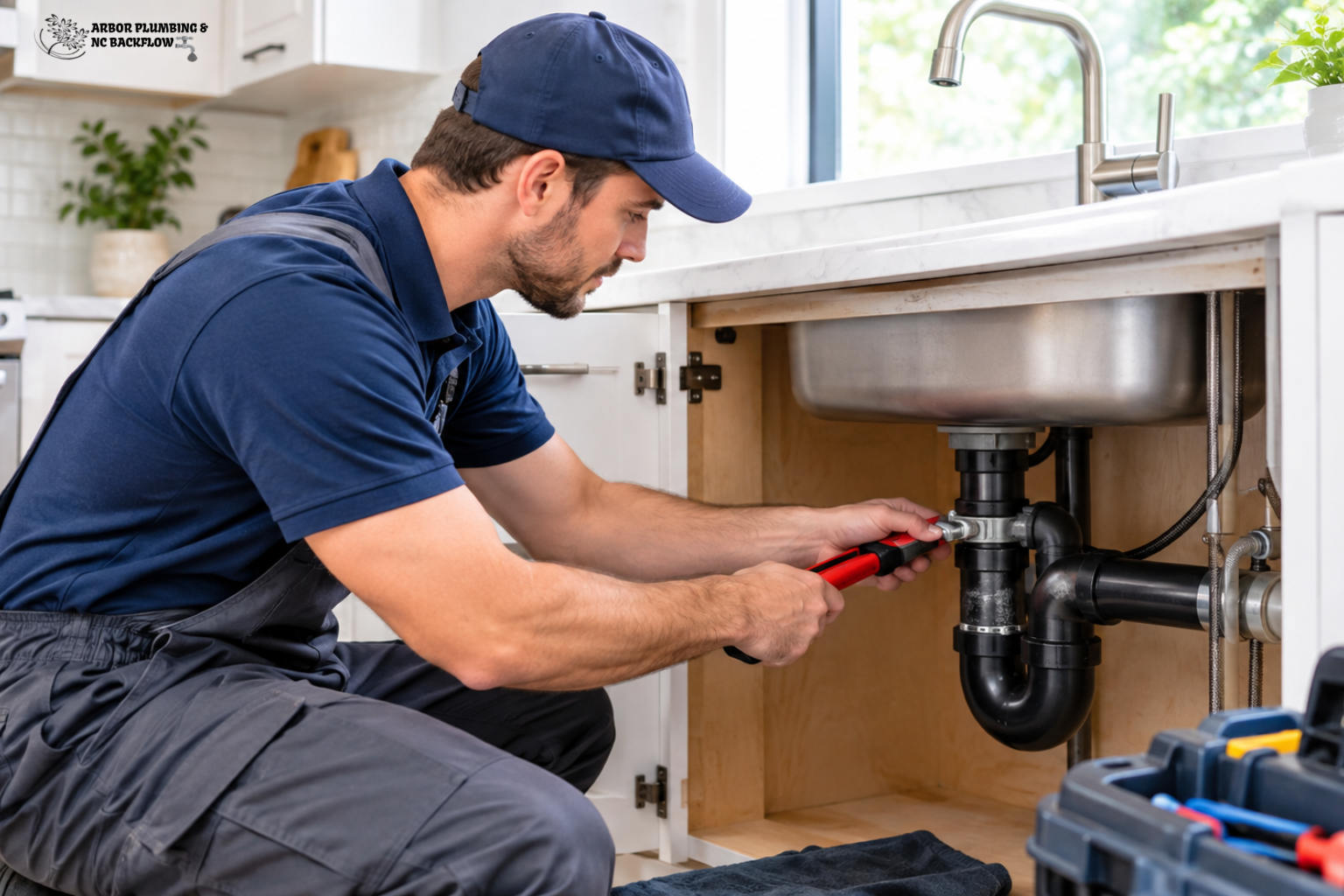
Plumbing problems can happen when homeowners least expect them. A leaking pipe, clogged drain, overflowing toilet, or malfunctioning water heater can quickly disrupt everyday activities and lead to expensive repairs. While some plumbing issues develop suddenly, many emergencies begin with small warning signs that are easy to overlook.
For homeowners, regular maintenance and early repairs can make a significant difference. Understanding how your plumbing system works and knowing when to contact professionals can help prevent unexpected damage. Experienced Holly Springs plumbers can identify potential problems, recommend suitable repairs, and help keep your home's plumbing system working properly.
Whether you live in an older property or a newly built home, following a few practical maintenance steps can reduce the risk of plumbing emergencies.
1. Check for Hidden Water Leaks Regularly
Small leaks may not seem serious initially, but they can waste water and cause damage to floors, walls, cabinets, and other household surfaces.
Check the areas underneath kitchen sinks, bathroom vanities, water heaters, and exposed pipes. Look for water stains, damp spots, peeling paint, musty smells, or unexplained moisture.
Your water meter can also help identify possible leaks. Turn off faucets and water-using appliances, then check whether the meter continues moving. If it does, there may be a leak somewhere in your plumbing system.
Do not ignore unexplained increases in your water bill. Contact a professional plumber if you suspect a hidden leak. Early detection can help prevent extensive water damage and costly restoration work.
2. Keep Drains Clear and Avoid Clogs
Blocked drains are among the most common household plumbing problems. Kitchen sinks can become clogged by grease, food particles, and other debris, while bathroom drains often collect hair, soap residue, and personal care products.
To reduce the risk of blockages, follow these simple habits:
-
Avoid pouring cooking grease and oil into kitchen sinks.
-
Use drain strainers to catch food particles and hair.
-
Dispose of food waste in the trash or compost rather than the sink.
-
Clean drain covers regularly.
-
Avoid flushing wipes, cotton products, and other unsuitable materials.
If water drains slowly or unpleasant odors develop, the blockage may be deeper inside the plumbing system.
Repeatedly using chemical drain cleaners may damage certain pipes or create additional problems. Professional drain cleaning can help remove stubborn buildup and identify recurring blockages.
3. Maintain Your Water Heater
Your water heater is an essential part of your home's plumbing system. It provides hot water for bathing, washing dishes, and other everyday activities. However, sediment buildup, worn components, and corrosion can affect its performance.
Watch for warning signs such as:
-
Water that does not stay hot.
-
Unusual popping or rumbling sounds.
-
Rust-colored hot water.
-
Moisture around the water heater.
-
Unexpected increases in energy consumption.
Routine maintenance can help identify problems before the unit stops working completely. Depending on the model and manufacturer's recommendations, maintenance may include inspecting connections, checking components, and flushing sediment from the tank.
If your water heater is leaking, producing unusual noises, or failing to provide consistent hot water, arrange a professional inspection. Prompt attention can help prevent a minor issue from becoming a larger plumbing emergency.
4. Protect Your Pipes During Cold Weather
Cold weather can create plumbing challenges for homeowners in North Carolina. When temperatures drop significantly, water inside exposed pipes may freeze and expand. This expansion can increase pressure and cause pipes to crack or burst.
A burst pipe can release a large amount of water into your home, damaging walls, flooring, furniture, and personal belongings.
Take preventive steps before colder weather arrives:
-
Insulate exposed pipes in garages, crawl spaces, and other vulnerable areas.
-
Seal openings that allow cold air to reach plumbing lines.
-
Keep your home adequately heated during cold periods.
-
Disconnect and drain outdoor hoses when appropriate.
-
Know where your main water shutoff valve is located.
If a pipe freezes, avoid using an open flame to thaw it. Contact a qualified plumber if you cannot safely restore water flow or suspect the pipe has been damaged.
5. Pay Attention to Low Water Pressure
Low water pressure can make everyday activities inconvenient, but it may also indicate an underlying plumbing problem.
Several issues can contribute to reduced water pressure, including mineral deposits, partially closed valves, leaking pipes, clogged fixtures, or problems with the main water supply.
Start by checking whether the problem affects one faucet or multiple fixtures. If only one faucet has low pressure, its aerator may be clogged with mineral deposits. Cleaning or replacing the aerator may solve the issue.
However, if several fixtures experience reduced pressure, a larger plumbing problem may be involved.
Professional Holly Springs plumbers can inspect your plumbing system, identify the cause, and recommend an appropriate solution.
6. Avoid Putting the Wrong Items in Your Toilet
Toilet blockages can cause unpleasant odors, overflowing water, and damage to bathroom surfaces. Many clogs develop because unsuitable items are flushed down the toilet.
Toilet paper and human waste are generally the only materials that should be flushed. Items such as wet wipes, paper towels, sanitary products, cotton balls, and dental floss belong in the trash.
Even products marketed as flushable may not break down as easily as toilet paper. Over time, they can contribute to blockages in household drain lines.
If your toilet frequently backs up, makes bubbling sounds, or drains slowly, there may be a deeper issue that requires professional attention.
7. Schedule Regular Plumbing Inspections
Preventive inspections are one of the most effective ways to identify plumbing concerns before they develop into emergencies.
During an inspection, a professional plumber may check exposed pipes, faucets, toilets, water heaters, drains, shutoff valves, and visible plumbing connections.
The inspection can help identify:
-
Small leaks and corrosion.
-
Loose or damaged pipe connections.
-
Drainage problems.
-
Water pressure concerns.
-
Water heater performance issues.
-
Signs of aging plumbing components.
The recommended inspection frequency depends on your property's age, plumbing materials, water quality, and previous repair history.
Homeowners who schedule regular maintenance can better understand the condition of their plumbing system and plan repairs before unexpected failures occur.
8. Know Where Your Main Water Shutoff Valve Is Located
Knowing how to shut off your home's main water supply can make a major difference during a plumbing emergency.
If a pipe bursts or a major leak develops, shutting off the water can limit the amount of water entering your home while you arrange professional repairs.
The main shutoff valve is commonly located near where the main water line enters the property, although its exact location varies.
Make sure household members know where the valve is and how to operate it safely. If you are unsure, ask a plumber to identify it during your next service appointment.
You should also know where individual fixture shutoff valves are located. These can be useful when a single faucet or toilet develops a leak.
9. Do Not Ignore Small Plumbing Problems
A dripping faucet, running toilet, or slow drain may appear minor, but these issues can become more expensive if left unresolved.
For example, a running toilet can waste a surprising amount of water over time. A small pipe leak may gradually damage cabinets or flooring. A recurring drain blockage may indicate buildup or a problem farther inside the drainage system.
Instead of waiting until a fixture stops working, arrange repairs when you first notice unusual behavior.
Professional plumbing services Raleigh NC homeowners rely on can also help address a range of residential plumbing concerns, from leak detection and drain cleaning to water heater repairs and fixture replacements.
Choosing timely repairs can help protect your property and reduce the likelihood of unexpected disruptions.
10. Choose Professional Plumbing Services When Needed
Some basic maintenance tasks can be handled by homeowners, but more complicated plumbing problems require professional knowledge and equipment.
Attempting to repair damaged pipes, major leaks, sewer line problems, or water heater components without proper experience can make the situation worse.
When selecting a plumbing company, consider its experience, service range, customer reviews, licensing, and communication. Ask for an explanation of the problem, the recommended repair, and the expected costs before work begins.
Working with a reliable plumbing professional can help ensure that repairs are completed safely and that the underlying problem is properly addressed.
Keep Your Holly Springs Home Protected With Preventive Plumbing Care
Plumbing emergencies can be stressful and expensive, but many problems can be reduced through regular maintenance and early attention. Checking for leaks, keeping drains clear, maintaining your water heater, protecting exposed pipes, and monitoring water pressure are practical ways to protect your home.
If you notice unusual plumbing behavior, avoid waiting until the problem becomes an emergency. Experienced Holly Springs plumbers can inspect your system, identify potential concerns, and recommend suitable repair or maintenance solutions.
Arbor Plumbing provides plumbing services for homeowners who need professional assistance with residential plumbing concerns. Whether you are dealing with a leaking pipe, clogged drain, water heater issue, or routine maintenance requirement, seeking timely professional help can protect your plumbing system and provide greater peace of mind.
A little preventive care today can help you avoid unnecessary plumbing expenses tomorrow.

 English
 Arabic
 French
 Spanish
 Portuguese
 Turkish
 Dutch
 Italiano
 Russian
 Romaian
 Portuguese (Brazil)
 Greek