


How to Prevent Tangling in Human Hair Replacement Systems
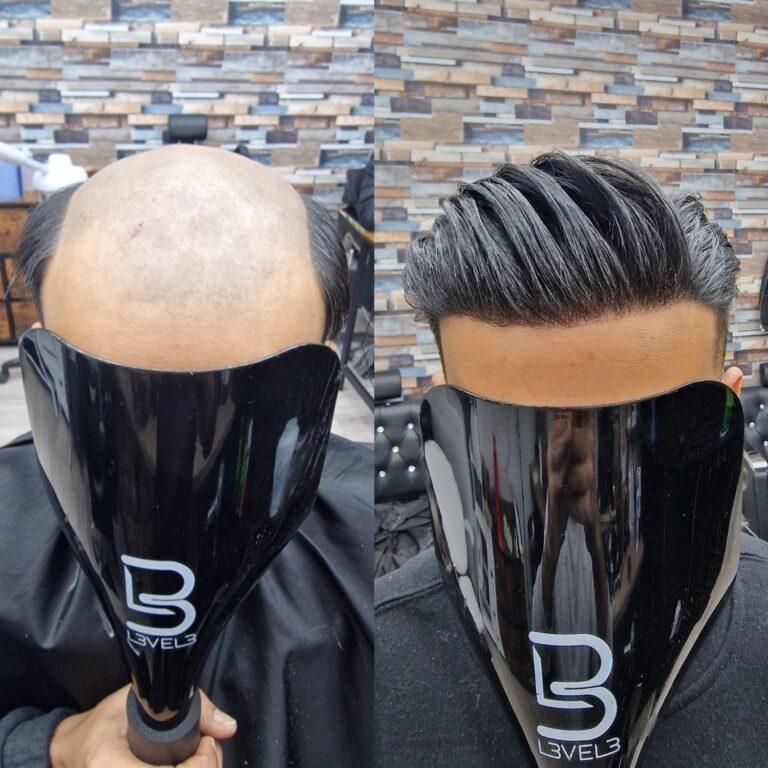
Human hair replacement systems offer a natural appearance and allow men to enjoy different hairstyles without undergoing surgery. However, like natural hair, they need regular care to remain smooth, manageable and presentable. One common issue that wearers experience is tangling. Hair may become knotted around the back, feel rough after washing or become difficult to brush after sleeping.
Knowing how to prevent tangling in human hair replacement systems can make everyday maintenance easier and help preserve the quality of the hair. Although some tangling is normal, the right washing, brushing, conditioning and drying habits can reduce unnecessary knots and friction.
A good care routine does not need to be complicated. Small changes in how the system is handled can make a noticeable difference to its appearance and condition.
Why Do Human Hair Replacement Systems Become Tangled?
Human hair systems are made from real hair, but they do not receive natural oils from the scalp in the same way as growing hair. Natural hair benefits from sebum, which helps keep the strands lubricated. Hair in a replacement system does not receive this continuous supply.
As a result, the strands can become dry and rough over time. When the outer surface of the hair becomes less smooth, individual strands are more likely to catch against one another. This can lead to knots, particularly in areas where the hair experiences regular movement.
Friction is another common cause. Hair rubbing against clothing, pillows, hats and scarves can gradually create tangles. Longer hairstyles may be more affected because the strands have more opportunity to overlap.
Washing and drying techniques also matter. Scrubbing the hair aggressively, brushing it while heavily tangled or using excessive heat can make the problem worse.
Understanding these causes is the first step towards maintaining a smoother hair system.
Brush Your Hair System Gently and Regularly
Regular brushing helps prevent small knots from developing into larger tangles. However, the technique is just as important as the frequency.
A wide-tooth comb or a suitable soft hairbrush can help remove loose tangles without placing unnecessary tension on the hair. Begin with the ends and work gradually towards the roots rather than pulling the brush from the top downwards.
If you encounter a knot, avoid forcing the comb through it. Hold the hair gently above the tangled area and work through the knot in small sections. This reduces pulling and helps protect the hair from breakage or shedding.
It is also important to avoid excessive brushing. Repeatedly running a brush through the system when there are no tangles can create unnecessary friction. A gentle approach is usually more effective than frequent, forceful brushing.
For longer hairstyles, pay particular attention to the back of the head and the nape, where tangles often develop.
Use Suitable Shampoo and Conditioner
Choosing appropriate hair care products is another important part of preventing tangling. Human hair systems can become dry when exposed to harsh cleansing products or unsuitable treatments.
A gentle, sulphate-free shampoo is often a suitable choice for maintaining coloured or processed human hair. It helps clean the strands without relying on unnecessarily harsh cleansing ingredients.
Conditioner is equally important. It helps improve softness and makes the hair easier to comb. Apply a suitable conditioner through the lengths of the hair, following the product instructions. Avoid rubbing or scrubbing the strands together while washing.
The purpose of conditioning is to reduce friction between individual hairs. Smoother strands are less likely to catch against each other during brushing and everyday movement.
It is also worth remembering that applying more product does not necessarily produce better results. Excessive conditioner or heavy styling products can leave residue and make the hair difficult to manage.
Wash Your Hair System Carefully
The way a hair system is washed can have a significant effect on how easily it tangles afterwards.
Before washing, gently detangle the hair using a wide-tooth comb. This removes existing knots and reduces the chance of them becoming worse when the hair becomes wet.
Use lukewarm water rather than very hot water. Apply shampoo gently and avoid vigorous circular movements or rubbing the hair in different directions. Instead, work carefully through the strands while keeping their natural direction in mind.
After rinsing, apply conditioner to the hair lengths where needed. Rinse according to the product instructions and avoid leaving excessive residue.
Washing too frequently can also contribute to dryness, particularly when the system is exposed to strong cleansing products. The ideal washing routine depends on lifestyle, activity levels and the condition of the hair. The goal is to keep the system clean without stripping away too much moisture.
Dry Your Hair System Without Creating Friction
Drying is often overlooked, but it is an important stage of hair system care. Wet hair can be more vulnerable to stretching and breakage, so rough towel drying should be avoided.
After washing, gently press the hair with a soft towel to remove excess water. Do not twist, rub or squeeze the strands aggressively. Allow the hair to air dry whenever practical.
If you need to use a hairdryer, choose a moderate or cool setting and avoid holding it too close to the hair. Excessive heat can contribute to dryness and make the strands feel rough.
Before the hair is completely dry, avoid repeatedly brushing it or pulling it into a particular style. Gentle handling during this stage helps reduce unnecessary damage.
Going to bed with damp hair is also best avoided. Wet strands can rub against the pillow and become tangled during the night.
Protect Your Hair System While Sleeping
Movement during sleep creates friction between the hair and the pillow. This can cause tangling, especially for men who wear medium or long hairstyles.
A silk or satin pillowcase can help reduce friction compared with some traditional cotton fabrics. This allows the hair to move more smoothly against the pillow while you sleep.
If your hair is long enough to become tangled overnight, gently detangle it before going to bed. Avoid tying it tightly or pulling it into a style that places tension on the hair.
It is also important to make sure the hair is dry before sleeping. Damp hair is more likely to become difficult to manage after several hours of movement.
These small habits can make the morning styling routine easier and reduce the need for forceful brushing.
Avoid Excessive Heat Styling
Hairdryers, straighteners and curling tools can help create different hairstyles, but frequent use of high temperatures may damage human hair systems.
Heat can affect the hair's outer protective layer, leaving the strands dry and rough. Once the hair becomes less smooth, it may catch more easily and develop tangles.
If you use heated styling tools, keep the temperature moderate and apply a suitable heat protectant. Avoid repeatedly applying heat to the same section.
You should also consider whether your everyday hairstyle actually requires heated tools. Many styles can be maintained with gentle brushing and a small amount of suitable styling product.
Reducing unnecessary heat exposure can help preserve the softness and manageability of the system.
Choose a Hairstyle That Is Easy to Maintain
The length and style of a hair system can influence how easily it becomes tangled. Longer hair generally requires more attention because the strands have greater movement and can overlap throughout the day.
Men who prefer longer hairstyles should be prepared to spend additional time brushing and conditioning their hair. Regular trimming can also help remove dry or damaged ends that contribute to knots.
Shorter hairstyles are often easier to manage because there is less length available to become tangled. However, they still require gentle washing, conditioning and brushing.
Hair direction matters as well. When the hair is designed to follow a natural growth pattern, it is generally easier to style without repeatedly forcing the strands into position.
The best hairstyle is one that suits your appearance and fits comfortably into your daily maintenance routine.
Be Careful With Hats, Scarves and Clothing
Everyday clothing can create friction that contributes to tangling. High collars, rough fabrics, tight hats and scarves may repeatedly rub against the hair, particularly around the back and sides.
This is more noticeable with longer systems because the hair can become caught between the head and clothing.
Choose comfortable headwear that does not pull excessively on the hair. When removing a hat or scarf, do so gently rather than dragging it across the strands.
If you wear a system during exercise or outdoor activities, check the hair afterwards and gently remove any tangles before they become difficult to manage.
Swimming also requires attention. After swimming, rinse the hair with fresh water to remove pool chemicals or saltwater. Apply suitable conditioner when needed and detangle gently.
Why Regular Professional Maintenance Matters
Home care is important, but it cannot replace professional maintenance. Over time, a hair system may develop dryness, tangling, shedding or changes in its overall condition.
A professional maintenance appointment allows the system to be removed, cleaned and checked. The stylist can also assess the hair, trim damaged ends and restyle it where necessary.
Regular maintenance helps identify problems before they become more difficult to manage. For example, hair that repeatedly tangles around the nape may need a small adjustment to its length or shape.
At London Hair Replacement, maintenance appointments include removing the system, cleaning the scalp and system, re-bonding, trimming and restyling. The salon recommends returning every four to six weeks.
Men who maintain their systems at home between appointments can also benefit from following a consistent care routine. For additional guidance on handling and cleaning a system, see:
Signs That Your Hair System Needs Extra Attention
Occasional tangling does not necessarily mean that a hair system needs replacing. However, persistent knots may indicate that the hair is becoming dry or damaged.
If the strands feel rough even after conditioning, the outer protective layer may have deteriorated. Similarly, hair that repeatedly tangles in the same area may have damaged ends or excessive friction.
Visible shedding, increased brittleness and difficulty maintaining the hairstyle are other signs worth discussing with a specialist.
Sometimes a gentle conditioning routine and a small trim are enough to improve manageability. In other cases, the system may have reached the later stages of its useful life.
It is better to have the hair assessed rather than repeatedly applying strong products or chemical treatments in an attempt to correct the problem.
Final Thoughts
Preventing tangling in human hair replacement systems is mainly about reducing dryness, friction and unnecessary handling. Gentle brushing, suitable shampoo and conditioner, careful washing and proper drying can all help keep the hair smooth and manageable.
Sleeping on a silk or satin pillowcase, limiting excessive heat styling and choosing a practical hairstyle can also make a difference. Regular professional maintenance provides an opportunity to check the system's condition and deal with problems before they become more serious.
A human hair system requires consistent care, but the routine does not have to be difficult. With the right habits, men can reduce tangling, maintain a natural appearance and enjoy a more manageable hairstyle throughout everyday life.

 English
 Arabic
 French
 Spanish
 Portuguese
 Deutsch
 Turkish
 Dutch
 Italiano
 Russian
 Romaian
 Greek