


What Should Buyers Check in a Universal CNC Lathe?
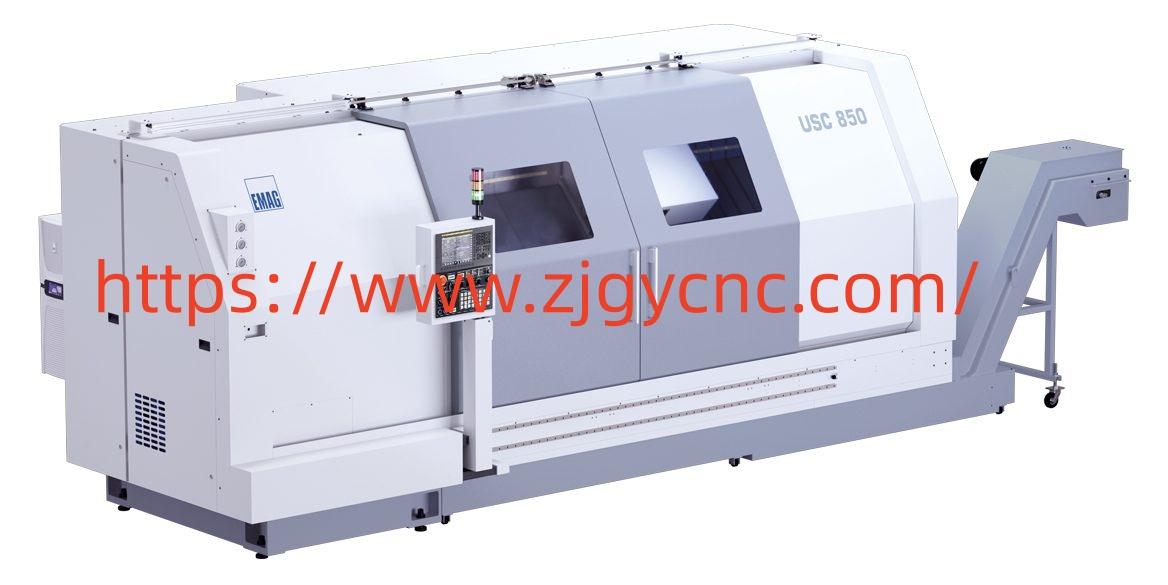
Universal CNC Lathe selection should begin with a detailed assessment of the components a workshop intends to produce. Buyers need to consider workpiece dimensions, material types, machining operations, production volume, and required tolerances before comparing different models. A machine that suits one production line may not meet the requirements of another, even when their basic specifications appear similar. For this reason, purchasing teams should evaluate the entire manufacturing process rather than make decisions based only on price or catalog descriptions.
Identify the Parts You Plan to Manufacture
Before requesting a quotation, prepare information about the workpieces that will be processed. Important details include maximum diameter, machining length, bore size, material hardness, component geometry, and dimensional tolerances.
Different parts may require different turning operations. Some involve external cylindrical surfaces and facing, while others need internal boring, threading, grooving, or tapered surface machining. Buyers should identify which operations are necessary and determine whether they can be completed in one setup or require several stages.
Technical drawings provide valuable information during this evaluation. They help the manufacturer understand the component shape, tolerance requirements, and machining sequence. If the workshop produces several part types, providing representative drawings allows the supplier to assess the required working range and discuss suitable equipment configurations.
Examine the Machine Bed and Structural Design
The machine bed and supporting structure influence rigidity, vibration behavior, cutting stability, and maintenance requirements. Buyers should examine the bed construction, guideway arrangement, carriage movement, and overall dimensions.
Linear guideway and hard rail structures are designed for different operating conditions. Linear guideways are commonly considered when responsive axis movement is required, while hard rail structures may suit applications involving heavier cutting loads. The appropriate arrangement depends on workpiece material, cutting depth, tooling, and production conditions.
The overall layout should also match the available workshop space. Buyers need to account for the machine footprint, loading area, operator access, chip collection, and maintenance clearance. Discussing these details before ordering can help prevent installation difficulties after delivery.
Match Spindle Capacity with Material Requirements
Spindle specifications directly influence the range of workpieces a machine can process. Buyers should review the available speed range, motor power, torque characteristics, spindle bore, and clamping arrangement.
For example, small components may require a different combination of rotational speed and clamping precision from larger metal parts. When bar feeding is included in the production plan, the available passage diameter and compatibility with feeding equipment should also be confirmed.
Workholding deserves equal attention. Chuck size, manual or hydraulic operation, clamping range, and fixture compatibility can affect setup time and machining stability. Providing information about raw material dimensions and finished component requirements helps the manufacturer assess suitable configurations.
Review Tooling and Control Functions
Tool configuration determines which operations can be completed during a production cycle. Buyers should check the tool post or turret arrangement, number of tool positions, tool dimensions, and compatibility with existing cutting tools.
The control system is another important purchasing consideration. Operators may already have experience with a particular platform, so programming methods, maintenance resources, and training requirements can influence the decision. Buyers should ask which control options are available and whether operation guidance can be provided.
It is also useful to discuss programming support, parameter settings, and operator training before delivery. These arrangements allow the workshop to prepare its production team and organize the transition from installation to regular manufacturing.
Request Sample Processing and Inspection Details
Catalog specifications provide a useful starting point, but sample processing can reveal whether a machine fits the actual application. Buyers can ask the manufacturer to evaluate representative workpieces using supplied drawings and materials.
The resulting parts can be checked for dimensional accuracy, surface finish, repeatability, and suitability for the intended production process. This gives purchasing teams and engineers practical information before committing to a larger equipment investment.
Inspection procedures should also be clarified. Relevant checks may cover spindle operation, axis movement, lubrication, electrical systems, safety devices, and control functions. Buyers should agree on acceptance criteria and inspection documentation before confirming the purchase contract.
Consider Manufacturer Communication and Support
Selecting equipment also involves evaluating the supplier's ability to support the purchasing process. Buyers should ask about configuration discussions, customization, delivery arrangements, installation guidance, spare parts, and after-sales assistance.
At zjgycnc, customers can discuss equipment selection according to workpiece drawings, material characteristics, and production targets. The manufacturer provides different machine structures and configuration options for varied turning applications. Sharing accurate technical information helps the production team assess whether an existing model is suitable or whether adjustments should be considered.
Before placing an order, prepare a checklist covering workpiece dimensions, material, machining operations, required accuracy, spindle specifications, tooling, control preferences, and installation conditions. Quotation details, delivery schedules, inspection standards, and service responsibilities should also be confirmed in writing.A well-planned equipment purchase connects machine capability with the workshop's actual production requirements. By comparing structural design, spindle capacity, tooling arrangements, control functions, and manufacturer support, buyers can make a more informed decision. To review available models, discuss technical configurations, or submit a machining inquiry, visit https://www.zjgycnc.com/ and contact zjgycnc with your drawings and production requirements.

 Arabic
 French
 Spanish
 Portuguese
 Deutsch
 Turkish
 Dutch
 Italiano
 Russian
 Romaian
 Portuguese (Brazil)
 Greek