


Zirconia Ceramics for Precision Industrial Applications
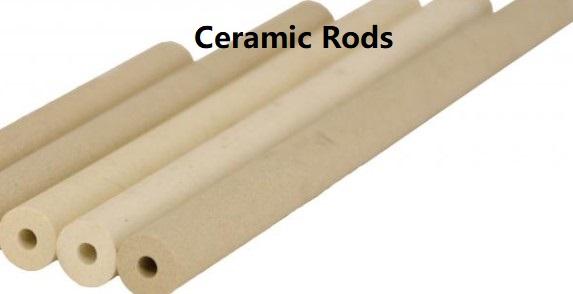
In modern industrial manufacturing, material selection plays an important role in product performance, service life, and production consistency. Zirconia Ceramics have attracted attention across various industries because of their mechanical strength, wear resistance, and chemical stability. When manufacturers evaluate Zirconia Ceramics for demanding applications, they often consider how these materials perform under friction, pressure, temperature changes, and repeated mechanical stress. Their combination of physical and chemical properties makes them suitable for components that require reliable operation and precise dimensions.
Understanding the Material Characteristics of Zirconia Ceramics
Zirconia is an advanced ceramic material known for its distinctive combination of strength and toughness. Unlike conventional ceramics, which can be relatively brittle, zirconia offers improved resistance to crack development through a mechanism known as transformation toughening. This characteristic helps the material withstand mechanical stress in applications where conventional materials may experience premature damage.
Another important feature is its hardness. Zirconia components can maintain their surface condition under repeated contact and friction, making them suitable for precision parts that operate in demanding environments. The material also provides good resistance to corrosion and chemical reactions, allowing it to work in applications where exposure to various substances is unavoidable.
Why Material Stability Matters in Industrial Production
Industrial components often operate under changing temperatures, mechanical loads, and environmental conditions. Material instability can affect dimensional accuracy, equipment efficiency, and maintenance requirements. Zirconia provides useful stability for applications that require consistent performance over extended operating periods.
Its low thermal conductivity can also be beneficial in selected thermal management applications. Depending on the component design and operating environment, zirconia can help limit unwanted heat transfer between different sections of an assembly.
Manufacturers should consider factors such as operating temperature, component geometry, surface finish, and mechanical loading before selecting a specific zirconia grade. Proper material selection helps ensure that the finished component matches its intended working conditions.
ZFCERA and Precision Zirconia Component Manufacturing
For manufacturers looking for advanced ceramic materials, ZFCERA provides a product range that supports different industrial requirements. Selecting suitable Zirconia Ceramics involves more than evaluating material strength. Dimensional accuracy, processing methods, structural consistency, and final application requirements also influence the quality of finished components.
Precision manufacturing is particularly important when ceramic parts are used in assemblies with strict fitting requirements. Even small dimensional variations may influence equipment operation or create additional stress during installation.
Machining and finishing processes therefore need to be considered throughout production. Appropriate manufacturing techniques can help achieve the required shape, surface condition, and dimensional tolerance while maintaining the material's functional properties.
Applications Across Different Industrial Sectors
Zirconia components are used in a variety of industries because of their combination of hardness, wear resistance, and chemical stability.
In mechanical engineering, they can serve as wear-resistant parts, precision shafts, sleeves, and other components exposed to repeated friction. Their mechanical characteristics make them useful in equipment where reducing component wear is an important consideration.
In medical and dental applications, zirconia is also valued for its biocompatibility and appearance. It is commonly used in selected dental restorations and specialized medical components.
The material can also support applications in electronics, chemical processing, and specialized manufacturing equipment. Different industries have different requirements, so zirconia grades and component designs should be selected according to their intended functions.
Choosing the Right Zirconia Material for Your Project
Before purchasing zirconia components, buyers should evaluate several technical considerations. The first is the working environment, including temperature, chemical exposure, friction, and mechanical pressure. These conditions help determine the appropriate material grade and component structure.
The second consideration is manufacturing precision. Buyers should communicate their dimensional requirements, surface finish expectations, and installation conditions clearly. This information helps suppliers evaluate suitable production and processing methods.
It is also useful to consider long-term maintenance and compatibility with surrounding materials. A component that meets immediate production requirements should also function properly within the complete equipment system.
As industrial applications continue to demand reliable materials and precision-engineered components, zirconia remains an important option for manufacturers seeking a balance between mechanical performance and material stability. To explore ceramic material solutions and product information, visit https://www.zfcera.com/ and learn more about the available options.

 English
 Arabic
 French
 Spanish
 Portuguese
 Deutsch
 Dutch
 Italiano
 Russian
 Romaian
 Portuguese (Brazil)
 Greek