


Optical Solutions for Modern Eyewear Manufacturing
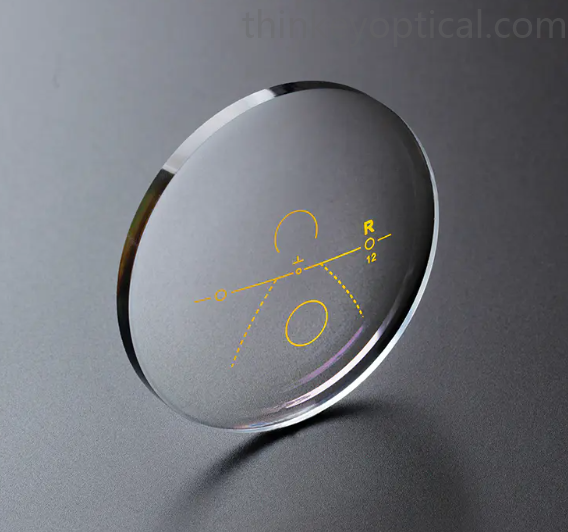
Optical products play an essential role in modern eyewear, supporting different vision correction requirements, frame designs, and daily applications. For eyewear brands, retailers, and distributors, selecting a suitable Optical Lens requires an understanding of material properties, optical design, surface treatments, and manufacturing quality. These factors influence the appearance, functionality, and suitability of the finished product across different market segments.
Material selection is one of the first considerations in lens development. Resin is widely used in optical manufacturing because it supports a variety of prescriptions, lens designs, and coating combinations. Polycarbonate is another option that may be suitable for applications where lightweight construction and impact resistance are important. The choice depends on the intended use, prescription requirements, frame compatibility, and the product specifications established by the buyer.
Optical design determines how a lens addresses specific vision requirements. Single vision designs provide one primary correction across the lens surface, while bifocal and progressive designs accommodate different viewing distances. Specialized designs may also be developed for particular applications or customer preferences. Buyers should confirm prescription ranges, available designs, and relevant technical details before selecting products for their collections.
Manufacturing processes influence the consistency and finish of the final product. Depending on the lens type, production may involve material preparation, surfacing, polishing, edging, and finishing operations. Each stage requires appropriate process control to maintain dimensional accuracy and surface quality. For customized orders, accurate specifications and clear communication help manufacturers coordinate production requirements and minimize avoidable errors.
Surface treatments provide additional options for improving lens characteristics. Hard coatings are commonly used to improve resistance to everyday surface wear. Anti-reflective treatments help reduce reflections from lens surfaces, while hydrophobic coatings can make water droplets easier to remove. Other treatments may be available depending on the material and product design. Buyers should confirm coating compatibility and understand the intended function of each treatment before placing an order.
Quality control is important throughout the manufacturing process. Inspection procedures may include checking optical characteristics, surface condition, dimensions, coating appearance, and compliance with the confirmed order specifications. For businesses purchasing in bulk, consistent inspection standards help reduce differences between production batches. Sample approval and documented acceptance criteria also provide a practical reference for future orders.
Customization enables optical businesses to develop products that match their target markets. Buyers may discuss material choices, refractive indexes, prescription requirements, lens dimensions, optical designs, coatings, and packaging. Private-label and OEM arrangements may also be available depending on the supplier's capabilities. Providing complete requirements early helps manufacturers assess feasibility and offer suitable production solutions.
Supply coordination is another important factor for international buyers. Clear communication about order confirmation, manufacturing schedules, packaging, and shipment arrangements can make procurement more efficient. For recurring purchases, maintaining approved samples and written specifications helps both parties follow consistent product requirements. Buyers should also discuss procedures for handling product questions or quality concerns after delivery.
When evaluating an Optical Lens, businesses should consider material suitability, optical design, manufacturing accuracy, coating compatibility, and supplier reliability together. Requesting samples and reviewing technical documentation can help buyers compare available options and make informed decisions. Thinkey Optical provides optical product information and customization support for professional eyewear businesses. Visit https://www.thinkeyoptical.com to explore its lens solutions and discuss potential cooperation.

 Arabic
 French
 Spanish
 Portuguese
 Deutsch
 Turkish
 Dutch
 Italiano
 Russian
 Romaian
 Portuguese (Brazil)
 Greek