


Basement Wall Waterproofing: What Homeowners Should Know Before Choosing a Solution
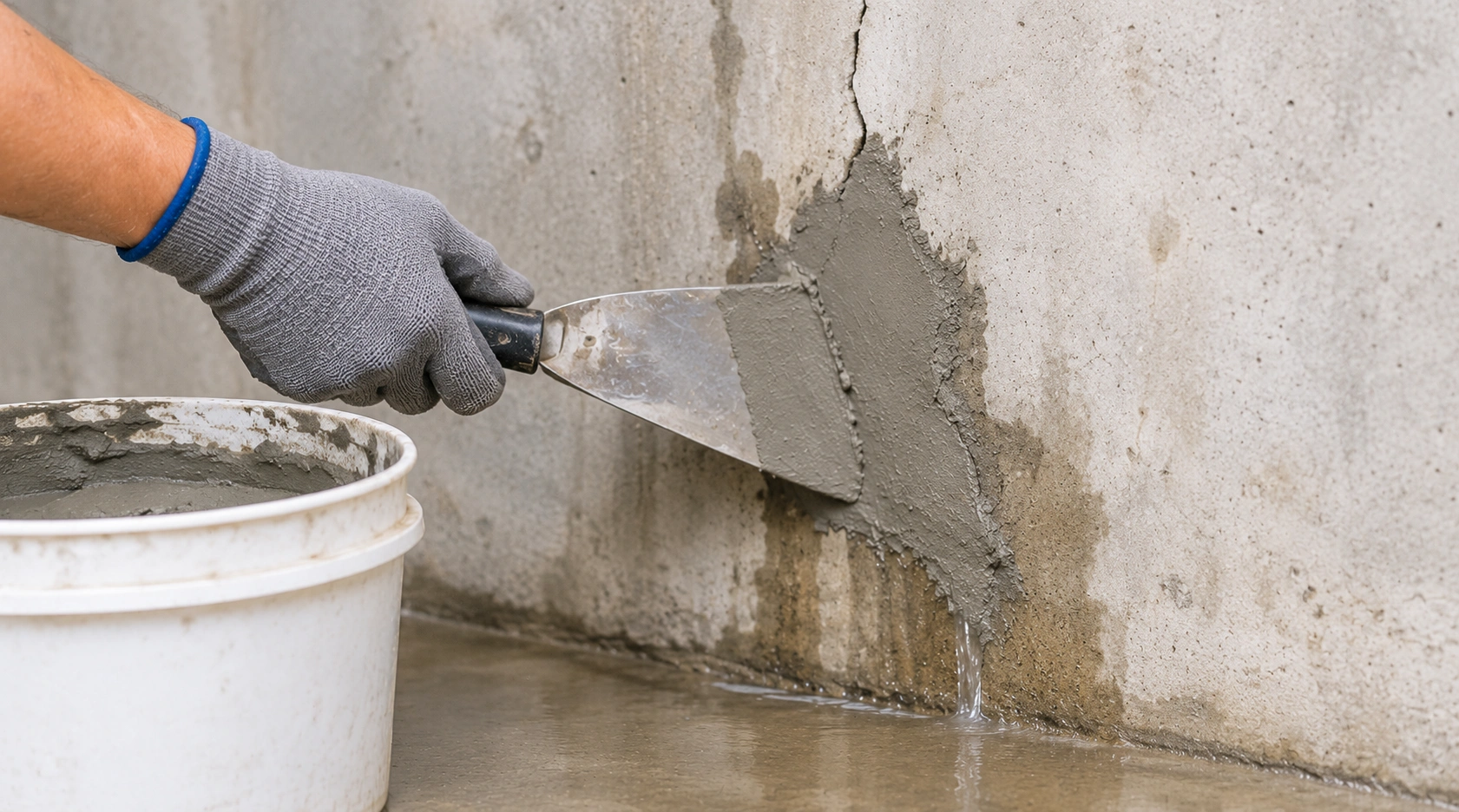
Basement moisture is a common concern for homeowners, especially after heavy rainfall or changes in groundwater levels. Damp walls, water stains, peeling paint, and musty odors can indicate that moisture is entering through the foundation. While applying waterproof cement or a concrete coating may seem like a simple solution, it is important to understand whether these products can address the actual cause of the problem.
Choosing the right basement wall waterproofing method starts with identifying where the water is coming from and why it is entering the basement.
Why Do Basement Walls Develop Moisture Problems?
Basement walls are constantly exposed to moisture in the surrounding soil. When rainwater collects around the foundation, it can create hydrostatic pressure that pushes water against concrete walls.
Several factors can contribute to basement water problems:
-
Poor drainage around the foundation.
-
Improper grading that directs rainwater toward the house.
-
Short or damaged downspouts.
-
Cracks in concrete foundation walls.
-
High groundwater levels.
-
Deteriorated exterior waterproofing systems.
Ignoring these conditions can lead to recurring leaks, damaged wall finishes, mold growth, and deterioration of basement materials.
Can Waterproof Cement Solve Basement Wall Leaks?
Waterproof cement and hydraulic cement are commonly used for small basement repairs. They can help seal certain holes, gaps, and minor leaks when applied correctly.
However, these products are not designed to solve every basement moisture problem. Hydraulic cement is generally used to plug localized water entry points, while cement-based waterproof coatings are applied to masonry surfaces to reduce moisture penetration.
The main limitation is that these materials address the wall surface rather than the underlying source of water.
When water pressure builds up outside the foundation, an interior coating may blister, peel, or eventually fail. Similarly, rigid cement patches may crack again if the foundation continues to move.
Before applying any product, homeowners should understand the downsides of using waterproof cement on basement walls and determine whether the problem requires a more comprehensive waterproofing solution.
Signs Your Basement Needs More Than a Surface Coating
Not every damp basement requires an extensive repair system. However, recurring moisture problems should not be ignored.
Look for these warning signs:
-
Recurring water stains: Brown or dark marks that return after rainfall may indicate ongoing water intrusion.
-
Peeling paint: Paint and waterproof coatings can separate from concrete when moisture builds up behind them.
-
Efflorescence: White, powdery deposits on basement walls indicate that moisture is carrying mineral salts through the masonry.
-
Wall cracks: Cracks that widen or repeatedly leak may require professional evaluation.
-
Musty odors: Persistent unpleasant smells can indicate excess moisture and potential mold growth.
-
Standing water: Water collecting along basement floors may point to drainage or groundwater problems.
Recognizing these signs early can help homeowners address moisture problems before they cause additional damage.
Effective Methods for Waterproofing Basement Walls
The right waterproofing approach depends on the location, severity, and source of water intrusion. Some common solutions include:
1. Exterior Waterproofing Membrane
An exterior waterproofing membrane creates a protective barrier on the outside of the foundation wall. It helps prevent groundwater from penetrating the concrete and is generally installed as part of an exterior waterproofing system.
2. Interior Drainage System
An interior drainage system collects water that enters around the foundation perimeter and directs it toward a sump pump. This helps manage water before it accumulates across the basement floor.
3. Sump Pump Installation
A sump pump removes collected groundwater from a designated pit and discharges it away from the foundation. It is particularly useful in basements that experience recurring water accumulation.
4. Foundation Crack Repair
When water enters through an isolated foundation crack, an appropriate crack repair method may help seal the entry point. The repair approach depends on the crack's location, condition, and whether the foundation is experiencing movement.
5. Proper Exterior Drainage
Maintaining gutters, extending downspouts, and correcting the grading around the house can reduce the amount of water collecting near foundation walls.
Why Identifying the Source of Water Matters
Applying a waterproof coating without investigating the underlying moisture problem can lead to repeated repairs. Water may continue building up behind the coating or find another entry point along the foundation.
A proper evaluation considers both the interior and exterior conditions of the basement. This includes examining foundation cracks, drainage patterns, groundwater conditions, and signs of structural movement.
For homeowners experiencing recurring basement leaks, professional basement waterproofing can help determine which repair method is appropriate for the property.
Choose the Right Basement Waterproofing Solution
Basement waterproofing involves more than covering damp walls with cement or applying a waterproof paint. Long-term moisture management requires understanding how water reaches the foundation and selecting a solution that addresses the source.
Tri-State Waterproofing helps homeowners throughout North Georgia address basement moisture, foundation water intrusion, and related waterproofing concerns. Rather than relying on temporary surface treatments, homeowners can explore solutions designed around their property's specific conditions.
If your basement walls continue to leak, peel, or show signs of moisture damage, consider having the problem evaluated before it becomes more extensive.
A properly diagnosed waterproofing problem is the first step toward a drier and healthier basement.

 English
 Arabic
 French
 Spanish
 Portuguese
 Deutsch
 Turkish
 Italiano
 Russian
 Romaian
 Portuguese (Brazil)
 Greek