


7 Factors That Affect the Cost of Water Damage Restoration in Your Home
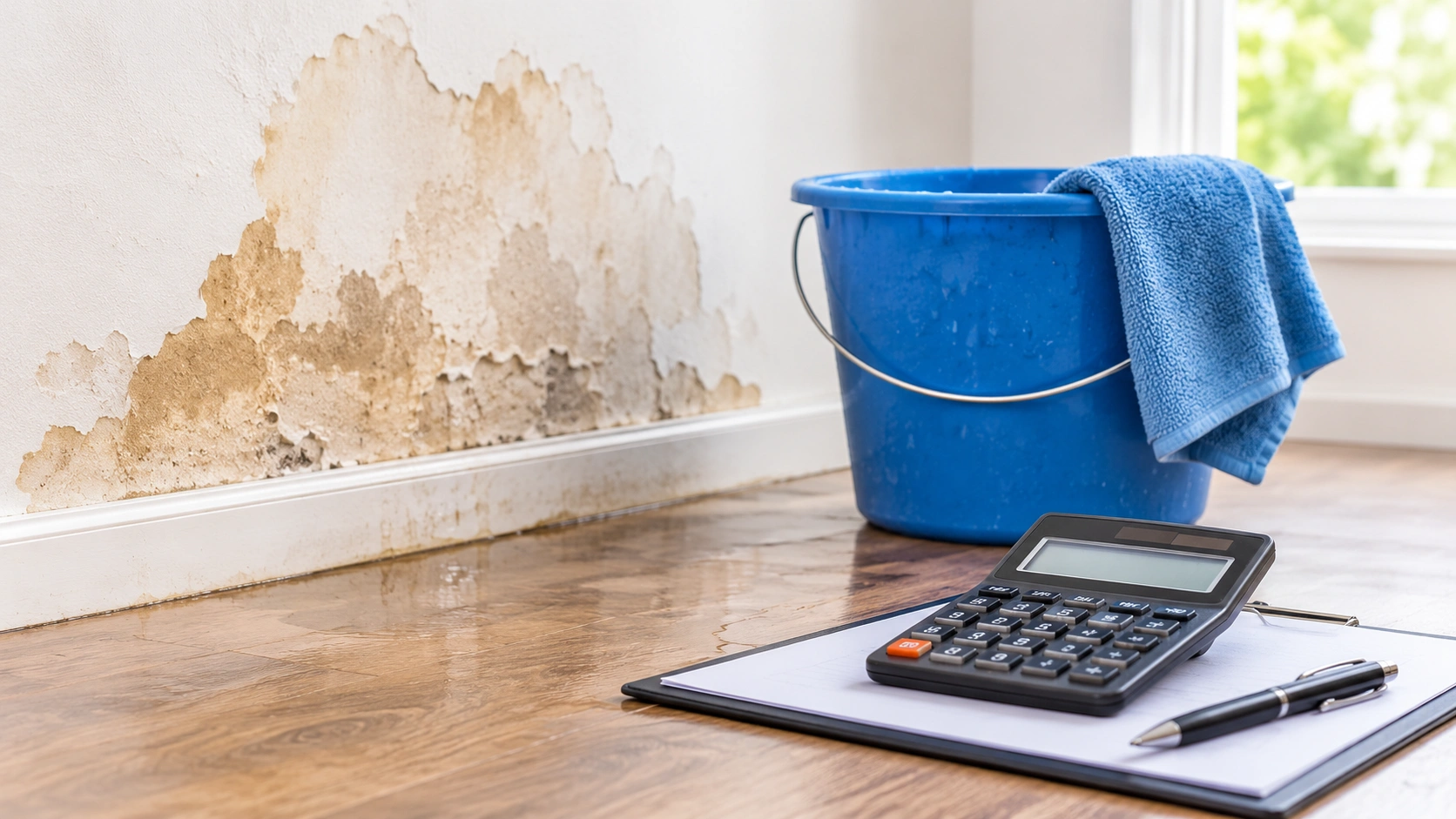
Water damage can happen unexpectedly due to leaking pipes, appliance failures, roof leaks, or severe storms. Even a small leak can become a major problem when water spreads into walls, flooring, insulation, and other building materials. For homeowners, understanding what influences restoration expenses is important when planning repairs and protecting their property.
The overall water damage restoration costs depend on several factors, including the amount of water involved, the affected areas, the type of water, and the extent of structural damage. Knowing these factors can help homeowners make informed decisions and avoid unnecessary repair expenses.
1. The Extent of Water Damage
The severity of water damage is one of the biggest factors influencing restoration expenses. A small plumbing leak affecting one section of flooring generally requires less work than extensive flooding throughout multiple rooms.
Minor damage may involve water extraction, surface drying, and limited repairs. More extensive damage can require removing drywall, replacing insulation, repairing flooring, and restoring affected structural materials.
Addressing water damage early can help prevent moisture from spreading into additional areas of the property.
2. The Source and Type of Water
Not all water damage requires the same restoration approach. The source of water determines the cleaning methods, protective equipment, and safety precautions needed.
Common water categories include:
-
Clean Water: Comes from sources such as broken supply pipes, faucets, and overflowing sinks.
-
Gray Water: May contain contaminants from washing machines, dishwashers, and certain plumbing fixtures.
-
Black Water: Contains potentially harmful contaminants and can originate from sewage backups or floodwater.
Contaminated water requires additional precautions, specialized cleaning, and proper disposal procedures. As a result, restoration requirements can vary significantly depending on the water source.
3. The Size of the Affected Area
The total area exposed to moisture also influences the restoration process. A small section of damaged drywall may need localized repairs, while a flooded basement or several affected rooms can require extensive equipment and labor.
Larger areas may require:
-
Professional water extraction.
-
Commercial-grade air movers and dehumidifiers.
-
Removal of damaged flooring and drywall.
-
Moisture monitoring throughout the property.
-
Cleaning and sanitizing affected surfaces.
A proper assessment helps determine which areas require immediate attention and which materials can be safely restored.
4. The Materials Damaged by Water
Different building materials absorb and retain moisture at different rates. Some materials can be dried and restored, while others may need complete replacement.
For example, carpet padding can hold moisture beneath the visible surface, while hardwood flooring may absorb water and begin to warp. Drywall can weaken after prolonged exposure, and wet insulation may lose its effectiveness.
Common materials affected by water damage include:
-
Drywall and plaster.
-
Carpet and carpet padding.
-
Hardwood and laminate flooring.
-
Wooden subfloors.
-
Insulation materials.
-
Cabinets and baseboards.
Identifying hidden moisture is important because repairing visible damage alone may not address the entire problem.
5. How Quickly Restoration Begins
Time plays an important role in limiting water damage. When moisture remains inside building materials, it can contribute to deterioration, unpleasant odors, and mold development.
Delaying cleanup may result in additional work, including material removal, mold remediation, and structural repairs.
Homeowners should consider taking these steps as soon as water damage occurs:
-
Identify and stop the water source if it is safe to do so.
-
Turn off electricity in affected areas when necessary and safe.
-
Remove standing water only when conditions are safe.
-
Move undamaged belongings away from wet areas.
-
Contact qualified restoration professionals for an assessment.
Prompt action can help reduce the extent of damage and prevent avoidable complications.
6. Mold Prevention and Additional Cleanup
Excess moisture creates conditions that support mold growth. When affected materials remain damp, mold can develop and spread to nearby surfaces.
If mold contamination is present, the restoration process may require additional cleaning, containment, removal of affected materials, and moisture control.
Professional restoration teams can identify areas where moisture remains trapped and recommend appropriate cleanup measures.
Preventing prolonged moisture exposure is an important part of protecting indoor spaces after a water-related incident.
7. Insurance Coverage and Repair Requirements
Homeowners insurance may cover certain types of sudden and accidental water damage, such as unexpected plumbing failures. However, coverage depends on the policy, the cause of damage, and applicable exclusions.
Gradual leaks, neglected maintenance, and certain types of outside flooding may not be covered under standard policies.
Homeowners should take these steps when documenting damage:
-
Photograph affected rooms and damaged materials.
-
Keep records of damaged belongings.
-
Document the source of water if known.
-
Save restoration estimates and repair receipts.
-
Review policy requirements before beginning non-emergency repairs.
Keeping accurate documentation can make the insurance claim process easier.
Why Professional Water Damage Restoration Matters
Water damage restoration involves more than removing visible water. Moisture can travel behind walls, beneath flooring, and into structural materials, making proper drying and inspection essential.
Professional restoration services use specialized extraction equipment, air movers, and dehumidifiers to help remove moisture from affected areas. They can also identify materials that require repair or replacement.
KC Construction Services Inc. provides water damage restoration and mitigation services to help homeowners address water-related property damage. Getting the affected areas assessed promptly can help determine the appropriate restoration steps.
Protect Your Property From Further Water Damage
Understanding the factors that influence restoration expenses can help homeowners prepare for unexpected water damage. The amount of water, contamination level, affected materials, and time before cleanup all play important roles in determining the work required.
Taking prompt action and addressing the original source of water can help prevent additional property damage. For a more detailed breakdown of typical repair expenses and restoration considerations, read this water damage repair cost guide.
Working with experienced restoration professionals can help homeowners restore affected spaces and protect their property from further moisture-related problems.

 English
 French
 Spanish
 Portuguese
 Deutsch
 Turkish
 Dutch
 Italiano
 Russian
 Romaian
 Portuguese (Brazil)
 Greek