


HIV Blood Test Accuracy: Facts and Myths Explained
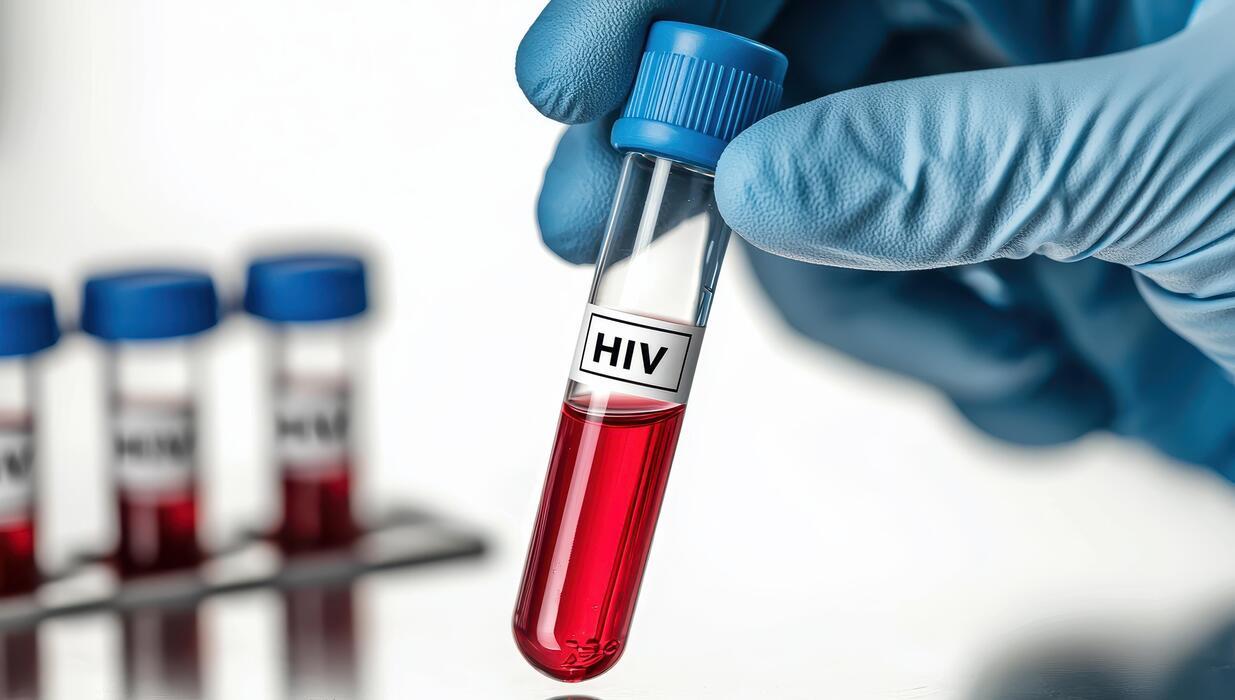
When people consider getting an HIV blood test, one of the first questions they ask is, "How accurate are the results?" This concern is understandable because HIV testing plays a critical role in diagnosis, treatment planning, and long-term health management. Accurate test results provide clarity, reduce uncertainty, and help individuals make informed healthcare decisions.
Despite major advances in HIV diagnostic technology, myths and misconceptions about HIV Blood Test in Dubai accuracy continue to circulate. Some people believe HIV tests frequently produce incorrect results, while others assume a single negative test immediately rules out infection regardless of timing.
The truth lies in understanding how HIV testing works, what affects accuracy, and why healthcare professionals trust modern HIV screening methods. This guide explores the facts and myths surrounding HIV blood test accuracy so you can better understand what your results mean.
How Modern HIV Blood Tests Have Evolved?
HIV testing has improved dramatically over the past few decades. Earlier generations of tests often required longer waiting periods before infection could be detected. Today's advanced laboratory techniques identify HIV-related markers much earlier and with greater precision.
Modern HIV blood tests may detect:
-
HIV antibodies
-
HIV antigens
-
HIV RNA (viral genetic material)
-
Signs of active HIV infection
These advancements have significantly increased both sensitivity and specificity, making HIV blood tests among the most reliable diagnostic tools available in healthcare.
Understanding What Accuracy Means in HIV Testing:
Before discussing myths and facts, it is important to understand how medical professionals define test accuracy.
Two key measurements are used:
Sensitivity:
Sensitivity refers to a test's ability to correctly identify individuals who have HIV infection.
A highly sensitive HIV blood test minimizes the chance of missing an infection.
Specificity:
Specificity measures a test's ability to correctly identify individuals who do not have HIV.
A highly specific test reduces the likelihood of false-positive results.
Modern HIV diagnostic tests are designed to achieve both high sensitivity and high specificity, resulting in extremely reliable outcomes when used appropriately.
Fact: HIV Blood Tests Are Highly Accurate
One of the most important facts about HIV testing is that modern laboratory-based blood tests are highly accurate.
Healthcare professionals rely on these tests because they undergo extensive scientific validation and quality control.
Current HIV screening technologies provide:
-
Reliable detection of HIV markers
-
Consistent laboratory performance
-
Strong diagnostic confidence
-
Improved early detection capabilities
When testing occurs at the appropriate time after exposure, HIV blood test accuracy is exceptionally high.
Myth: HIV Blood Tests Are Frequently Wrong
This is one of the most common misconceptions surrounding HIV screening.
While no medical test is perfect, HIV blood tests do not routinely produce inaccurate results.
In reality:
-
Modern laboratory protocols reduce errors
-
Confirmatory testing verifies positive results
-
Advanced technology improves reliability
-
Multiple testing methods support diagnostic accuracy
The idea that HIV blood tests are commonly incorrect is not supported by current medical evidence.
Fact: Timing Plays a Major Role in Accuracy
A highly accurate test can still produce misleading results if performed too early after HIV exposure.
This is because HIV detection depends on the presence of measurable biological markers.
After infection, the body requires time to develop:
-
Detectable antibodies
-
Detectable antigens
-
Detectable viral RNA levels
Testing before these markers become measurable can affect result interpretation.
This is why healthcare providers carefully consider timing when recommending HIV screening.
The HIV Window Period Explained:
One of the most important concepts influencing HIV blood test accuracy is the HIV window period.
The window period is the time between HIV infection and the point when a test can reliably detect the virus or associated markers.
During this phase:
-
HIV may already be present
-
The person may have no symptoms
-
Laboratory markers may not yet be detectable
Different HIV tests have different window periods because they detect different biological indicators.
Understanding the window period helps explain why follow-up testing may sometimes be recommended.
Myth: A Negative Result Always Means No HIV Infection
Many people assume that a negative HIV test result automatically guarantees the absence of infection.
This belief can be misleading.
A negative result generally indicates that HIV markers were not detected during testing. However, if testing occurs during the window period, infection may not yet be detectable.
Healthcare providers evaluate:
-
Exposure timing
-
Test type
-
Clinical circumstances
-
Risk factors
In some cases, repeat testing may be advised to ensure the most accurate outcome.
Fact: Fourth-Generation HIV Tests Improve Early Detection
One of the most significant advancements in HIV diagnostics is the development of fourth-generation HIV tests.
These tests detect both:
-
HIV antibodies
-
HIV p24 antigens
Because antigens often appear before antibodies, fourth-generation tests can identify infection earlier than older antibody-only methods.
This enhanced detection capability contributes significantly to HIV blood test accuracy during the early stages of infection.
Myth: Symptoms Are Necessary for Accurate Testing
Some individuals believe HIV testing is only accurate when symptoms are present.
This is incorrect.
Modern HIV blood tests detect biological markers rather than symptoms.
In fact, many individuals diagnosed with HIV experience:
-
No symptoms
-
Mild symptoms
-
Symptoms unrelated to HIV
Testing accuracy depends on laboratory detection of HIV markers, not the presence of physical symptoms.
Fact: Positive Results Are Usually Confirmed
Healthcare providers do not rely solely on a single positive screening result.
When an HIV blood test produces a positive result, additional confirmatory testing is typically performed.
Confirmatory testing helps:
-
Verify laboratory findings
-
Eliminate potential errors
-
Increase diagnostic certainty
-
Ensure accurate diagnosis
This multi-step process is one reason HIV diagnosis is considered highly reliable.
Myth: False Positives Are Common
A false positive occurs when a test incorrectly suggests HIV infection in someone who is not infected.
Although false positives can occur in rare situations, they are not common.
Modern testing systems reduce this possibility through:
-
Advanced laboratory methods
-
Strict quality standards
-
Confirmatory testing procedures
Most positive HIV diagnoses are supported by multiple layers of verification before being finalized.
Fact: Different HIV Tests Offer Different Detection Timelines
Not all HIV blood tests work in the same way.
Understanding the differences helps explain why some tests detect infection earlier than others.
Antibody Tests:
These tests identify antibodies produced by the immune system after HIV exposure.
Antigen-Antibody Tests:
These tests detect both antibodies and antigens, improving early diagnosis.
Nucleic Acid Tests:
These tests identify HIV RNA directly and can detect infection during very early stages.
Each testing method contributes to overall diagnostic accuracy.
Myth: HIV Testing Is Less Accurate for Healthy People
Some individuals mistakenly believe that healthy people receive less accurate HIV test results because they show no symptoms.
The reality is that physical appearance and general health do not affect test performance.
HIV blood tests analyze biological markers in the bloodstream, not outward signs of illness.
A person can appear completely healthy while still receiving accurate HIV screening results.
Fact: Laboratory Standards Help Ensure Reliability
Modern medical laboratories follow strict protocols designed to maintain testing accuracy.
Quality assurance measures include:
-
Equipment calibration
-
Staff training
-
Sample verification
-
Standardized procedures
-
Ongoing performance monitoring
These safeguards help ensure reliable and reproducible HIV test results.
Factors That Can Influence HIV Test Interpretation:
While modern HIV testing is highly accurate, healthcare providers still consider several important factors.
Recent Exposure:
Very recent exposure may affect detectability because of the window period.
Test Selection:
Different tests identify different HIV markers.
Medical History:
Previous health conditions may occasionally influence follow-up recommendations.
Repeat Testing Requirements:
Certain situations may require additional testing for complete clarity.
These factors do not necessarily reduce accuracy but may affect how results are interpreted.
Questions People Often Ask About HIV Test Accuracy
Can HIV blood tests miss an infection?
If testing occurs too early after exposure, HIV markers may not yet be detectable. This is why healthcare providers consider the window period carefully.
Are laboratory HIV tests more accurate than older methods?
Yes. Modern HIV blood tests use advanced technology that improves sensitivity and specificity.
Why is confirmatory testing performed?
Confirmatory testing helps verify initial findings and provides greater diagnostic confidence.
Can a healthy person test positive?
Yes. HIV testing detects infection-related markers, not visible symptoms.
Should I repeat testing after a negative result?
In some situations, healthcare providers may recommend repeat testing based on exposure timing and individual circumstances.
Separating Facts From Fear:
Many concerns about HIV blood test accuracy stem from outdated information or misunderstandings about how testing works.
The facts show that modern HIV diagnostic testing is:
-
Scientifically validated
-
Highly reliable
-
Carefully monitored
-
Widely trusted by healthcare professionals
Understanding the science behind HIV screening helps reduce fear and encourages informed healthcare decisions.
Conclusion:
HIV blood Lab tests accuracy has improved tremendously thanks to advances in medical science, laboratory technology, and diagnostic methods. Modern HIV tests are highly sensitive, highly specific, and capable of detecting infection earlier than ever before. While factors such as the HIV window period and test selection influence interpretation, healthcare professionals use established protocols to ensure dependable results.
Separating myths from facts is essential for understanding HIV testing. False positives are uncommon, symptoms are not required for accurate detection, and confirmatory testing provides an additional layer of reliability. By understanding how HIV blood tests work and what affects their accuracy, individuals can approach testing with greater confidence and make informed decisions about their health and well-being.

 English
 Arabic
 French
 Spanish
 Portuguese
 Deutsch
 Turkish
 Dutch
Dutch
 Italiano
 Russian
 Romaian
 Greek
Greek