


3D Product Visualization: How It Is Transforming the Online Shopping Experience
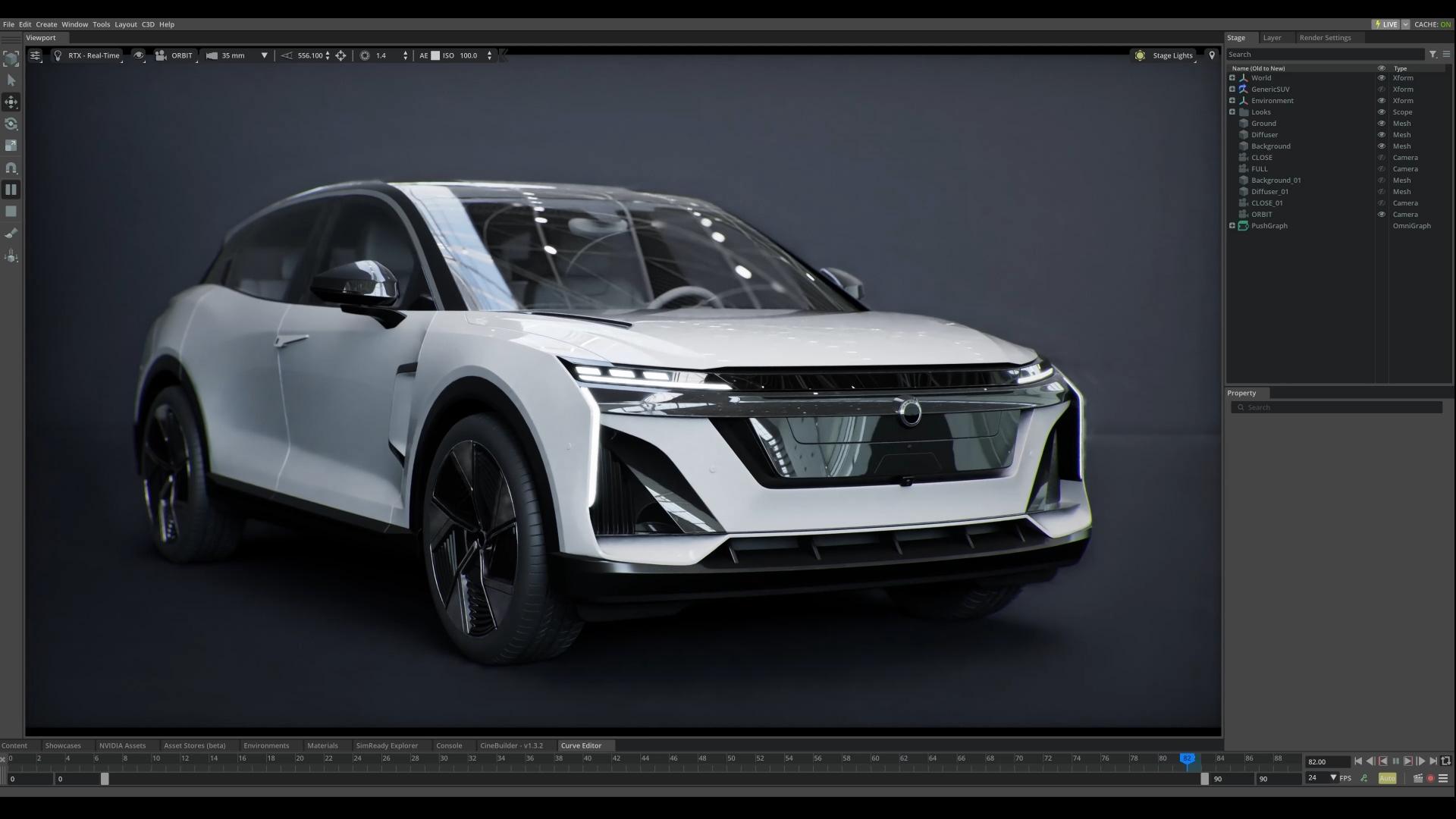
Customers want to understand what they are buying before making a purchase. Traditional product photography provides useful information, but it cannot always show every product detail, design variation, or customization option. This is why businesses are increasingly adopting 3D product visualization to present their products in a more realistic and interactive way.
3D product visualization uses digital models and rendering technology to create realistic representations of physical products. Customers can explore product details, view different angles, and understand how an item looks before purchasing it.
From eCommerce stores to manufacturing and furniture businesses, this technology is changing how companies present their products. Let's explore how 3D product visualization works and why it matters for modern businesses.
What Is 3D Product Visualization?
3D product visualization is the process of creating digital representations of products using specialized 3D modeling and rendering software. These models show the product's shape, texture, colour, materials, and other visual details.
Unlike traditional photography, businesses do not always need a physical product to create professional product visuals. Designers can build digital models and generate realistic images or interactive experiences using computer-generated imagery (CGI).
For example, a furniture company can create a digital model of a sofa and display it in different colours, fabrics, and sizes. Customers can explore these variations without requiring separate photographs of every product combination.
How Does 3D Product Visualization Work?
Creating a 3D product visualization involves several steps to produce an accurate and realistic digital representation.
1. 3D Product Modeling
The first step is creating a digital model of the product. Designers use 3D modeling software to develop its shape, dimensions, and structure according to product specifications or reference images.
2. Applying Materials and Textures
After creating the model, designers apply materials, colours, and textures. These details help recreate the appearance of real-world surfaces such as wood, metal, glass, fabric, and plastic.
3. Lighting and Rendering
Lighting plays an important role in realistic product presentation. Designers adjust lighting, shadows, reflections, and camera angles before rendering the final visuals.
4. Interactive Integration
For interactive experiences, the 3D model can be integrated into a website or eCommerce platform. Depending on the solution, customers may rotate, zoom, explore, and customize the product directly on the page.
Key Benefits of 3D Product Visualization for Businesses
1. Create Realistic Product Presentations
One of the biggest advantages of 3D product visualization is its ability to create detailed and realistic product images. Businesses can showcase materials, finishes, shapes, and other features without depending entirely on traditional photography.
High-quality visuals help customers understand product designs and make online product pages more informative.
2. Improve Customer Engagement
Interactive product visualization gives customers more control over how they explore products. Instead of viewing a single image, visitors can rotate digital models, zoom in on specific details, and examine products from different angles.
This makes the shopping experience more engaging and encourages customers to explore product features before making purchasing decisions.
3. Reduce Product Photography Costs
Traditional product photography can require physical samples, studio arrangements, professional photographers, and multiple photoshoots.
With 3D product modeling and rendering, businesses can generate different product visuals using existing digital models. They can change colours, materials, backgrounds, and camera angles without organizing a new photoshoot for every variation.
This can make product content production more flexible and efficient over time.
4. Showcase Multiple Product Variations
Businesses often sell products in different sizes, colours, materials, and designs. Creating separate photographs for every variation can become challenging.
3D product visualization makes it easier to display these options through digital models. For example, a customer shopping for a customized chair can explore different fabrics, frame finishes, and colours.
This approach helps businesses present more product choices while maintaining consistent visual quality.
5. Build Customer Confidence
Customers cannot physically touch or inspect products when shopping online. Detailed product visuals help fill this information gap by showing important design features and product details.
When customers can examine a realistic 3D model, they may develop a better understanding of the product before ordering.
This can reduce uncertainty and support more informed purchasing decisions.
6. Improve Marketing and Advertising Content
3D product rendering gives businesses additional flexibility when creating marketing materials. The same digital model can be used for website images, social media posts, digital advertisements, product demonstrations, and promotional videos.
Businesses can also create different visual environments to present products for specific marketing campaigns.
This helps maintain consistent product presentation across multiple digital channels.
Industries That Benefit from 3D Product Visualization
Several industries can use 3D visualization to improve product presentation and customer experiences.
eCommerce and Retail: Online stores can use realistic product renders and interactive models to help shoppers explore products before purchasing.
Furniture and Interior Design: Furniture brands can showcase sofas, tables, cabinets, and other products in different materials, colours, and room settings.
Automotive: Automotive companies can display vehicle designs, exterior colours, interior finishes, and customization options through digital models.
Fashion and Jewellery: Brands can present detailed product designs, textures, materials, and different style variations.
Manufacturing: Manufacturers can visualize product concepts, components, and prototypes before moving into physical production.
3D Product Visualization vs Traditional Product Photography
Both approaches help businesses present products, but they offer different advantages.
Traditional product photography captures physical products using cameras and lighting equipment. It is useful when businesses need actual photographs of finished products.
3D product visualization creates digital representations that can be adjusted and reused. It is particularly useful for products with multiple variations or customization options.
For businesses selling customizable products, 3D visualization can offer greater flexibility. However, traditional photography remains valuable when showing real product details, people using products, or actual product conditions.
Many businesses can benefit from combining both methods.
How to Choose the Right 3D Product Visualization Solution
Selecting the right solution depends on your products, business goals, and website requirements. Consider these important factors before investing:
-
Visual Quality: Choose a solution that creates realistic textures, materials, lighting, and product details.
-
Customization Features: Make sure customers can explore the product options that matter to your business.
-
Website Compatibility: Check whether the 3D models work with your existing website or eCommerce platform.
-
Loading Performance: Optimize models and visual assets to maintain a smooth browsing experience.
-
Mobile Experience: Ensure that product visuals work properly across smartphones, tablets, and desktop devices.
-
Future Scalability: Select a solution that can support additional products and features as your business expands.
Conclusion
3D product visualization is becoming an important part of modern digital commerce. It allows businesses to create realistic product presentations, showcase multiple variations, improve customer engagement, and develop more flexible marketing content.
Whether you operate an eCommerce store, furniture brand, manufacturing company, or automotive business, 3D visualization can help communicate product value more effectively.
If you want to make your products more interactive and engaging online, explore . The right 3D technology can help create better digital product experiences and give customers more confidence when exploring your offerings.

 English
 Arabic
 Spanish
 Portuguese
 Deutsch
 Turkish
 Dutch
 Italiano
 Russian
 Romaian
 Portuguese (Brazil)
 Greek