


YG-1 from DongHai Clarifies Optimal Antiscorch Agent Dosage for Natural Rubber
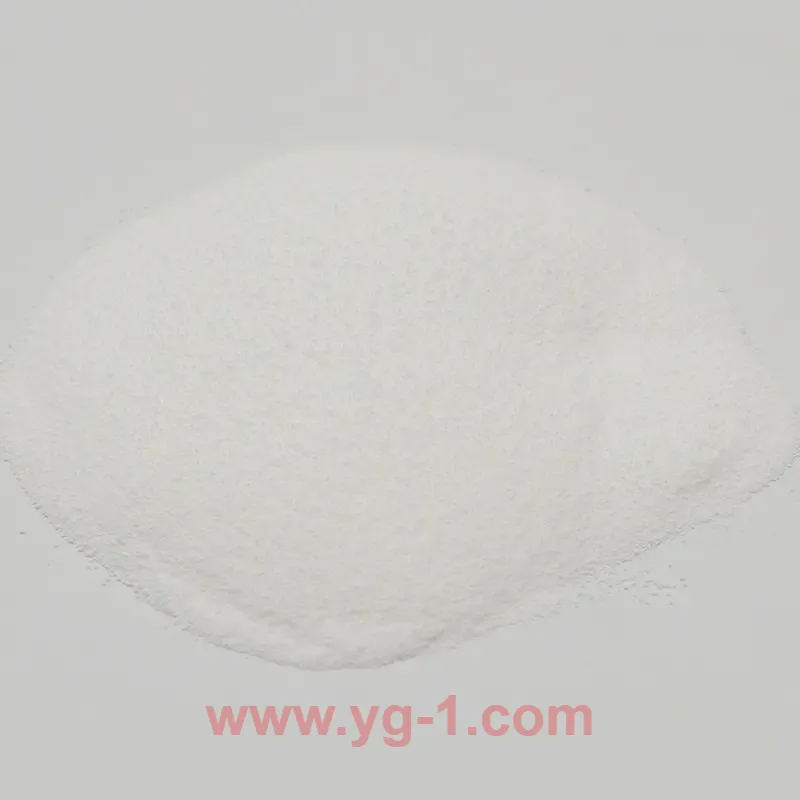
Natural rubber remains a cornerstone material for countless products, from tires to industrial components. Its processing requires careful temperature control to prevent premature crosslinking, known as scorch. Scorch ruins batch quality, blocks equipment, and creates production delays. One effective solution involves adding a small quantity of a processing aid that delays the onset of vulcanization. This Antiscorch agent extends the safe processing window, allowing compounders to mix at higher temperatures or hold material longer before forming. However, adding too much of this agent can slow the final vulcanization rate, reducing productivity and affecting physical properties. Adding too little fails to provide adequate safety margin. The optimal addition rate depends on the compound formulation, processing conditions, and the specific cure system. So what is the optimal dosage of Antiscorch agent in natural rubber compounds, and how does yg-1 from DongHai support customers in achieving this formulation balance?
The typical dosage range for antiscorch agents in natural rubber compounds falls between 0.1 and 0.5 parts per hundred rubber (phr), based on the weight of the rubber hydrocarbon. This range provides a starting point, but the precise amount within this window requires adjustment for each specific compound. Several factors influence the required dosage. The type and amount of accelerator in the system play a primary role. Fast-accelerating systems, such as those containing thiurams or dithiocarbamates, generate greater scorch risk and may demand the higher end of the dosage range. Slower systems, based on sulfenamides or thiazoles, might achieve adequate safety at the lower end. The processing temperature and time also determine the necessary dosage. Higher mixing temperatures, or longer mixing cycles, increase scorch risk and may require increased antiscorch agent levels.
The filler system affects scorch behavior as well. High-structure carbon blacks and certain silicas can increase compound viscosity and heat generation during mixing, accelerating the onset of scorch. These compounds benefit from a slightly elevated antiscorch agent dosage. The presence of other processing aids, such as oils, plasticizers, or resins, can either dilute the antiscorch effect or interact with it, requiring dosage adjustment. Understanding these interactions demands experience and often experimental verification. YG-1 offers technical support to help customers navigate these complexities, drawing on its knowledge of rubber chemistry and formulation.
Determining the optimal dosage involves a systematic approach. Compounders typically begin with a base dosage within the recommended range, then conduct a scorch test using a moving die rheometer (MDR) or oscillating disc rheometer (ODR). These tests measure the time to onset of cure, indicating the processing safety margin. The compounder then adjusts the antiscorch agent dosage upward or downward, depending on the measured scorch time relative to the target. The goal is to achieve sufficient processing safety without unduly prolonging the overall cure time, which would reduce productivity. A well-tuned compound achieves a scorch time that matches the processing requirements while maintaining a cure rate that meets production cycle targets.
The interaction between antiscorch agent and the accelerator system is not always straightforward. Some agents work by complexing with the accelerator, temporarily inhibiting its activity. Others interfere with the activator system, delaying the formation of the active curing species. The manufacturer must understand the specific chemistry of the chosen antiscorch agent to predict its effect on the cure system. YG-1 provides detailed product information that explains the mechanism of action for its Antiscorch agent, enabling customers to make informed formulation decisions. This technical transparency supports accurate dosage determination.
The cost of adding too much Antiscorch agent extends beyond material expense. Overdosing can lead to undercured parts, with reduced tensile strength, poor modulus, and increased compression set. These defects cause scrap and potential field failures. Additionally, an excessively delayed cure requires extended press times, lowering production throughput and increasing energy consumption. The economic impact of a mismatched dosage often outweighs the cost of the additive itself. Therefore, taking the time to determine the correct dosage provides a significant return on investment through consistent quality and operational efficiency.
Conversely, adding too little Antiscorch agent creates a different set of problems. The compound may scorch during mixing, causing a rough, scaly surface and poor flow during forming. It can also set up in the equipment, requiring costly cleaning and downtime. The resulting processed material, if usable, may have compromised physical properties due to the premature crosslinking. The optimal dosage must avoid both extremes, providing a robust processing window for the specific manufacturing conditions.
Laboratory testing plays a crucial role in optimizing the dosage for a new compound formulation. Small-scale mixing and testing allow the compounder to evaluate a range of dosage levels without the expense of full-scale production trials. The test results guide the selection of a dosage that provides the required scorch safety. When moving to production, the dosage may require a small final adjustment to account for the different heat history and mixing dynamics of the production equipment. YG-1 can offer guidance on translating lab results to production, sharing its experience with similar compounds.
Dosage optimization should be revisited whenever significant formulation changes occur. A new batch of accelerator with different activity, a change in the source of natural rubber, or the introduction of a new filler can all shift the scorch safety of the compound. The compounder should retain the capability to test and adjust the Antiscorch agent level as needed. This vigilance maintains processing safety and product quality. YG-1 provides consistent product quality and technical documentation, supporting customers' ongoing formulation efforts. Explore the detailed technical resources available through https://www.yg-1.com/news/basic-knowledge-of-antiscorching-agent.html to deepen your understanding of optimal dosage strategies.

 English
 Arabic
 French
 Spanish
 Portuguese
 Turkish
 Dutch
Dutch
 Italiano
 Russian
 Romaian
 Portuguese (Brazil)
 Greek
Greek