


Spider Veins Treatment in Dubai vs Sclerotherapy: Which Is Better?
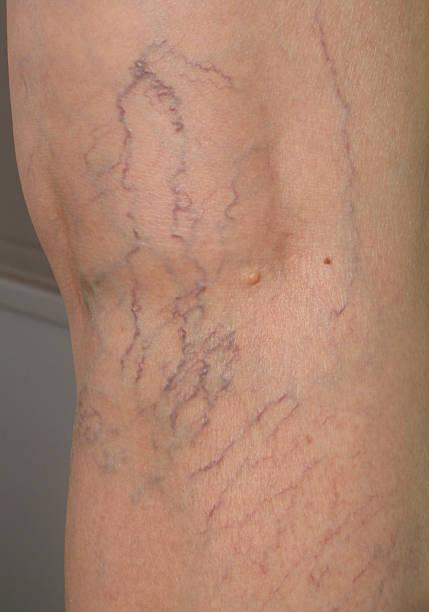
Choosing between laser therapy and sclerotherapy for Spider Veins Treatment in Dubai depends on the size, depth, location, and characteristics of the visible vessels. Laser treatment uses controlled light energy delivered through the skin, while sclerotherapy involves injecting a medical solution into selected veins. Both methods can reduce the appearance of certain spider veins, but they are not interchangeable.
The most suitable option depends on an individual assessment. Fine facial capillaries, for example, may be approached differently from clusters of spider veins or reticular veins on the legs.
Understanding the Two Spider Vein Treatment Methods
Although both treatments address visible superficial vessels, their mechanisms are different.
How Laser Spider Veins Treatment in Dubai Works
Vascular laser devices deliver specific wavelengths of light that are absorbed by haemoglobin within targeted blood vessels. The absorbed energy generates controlled heat, damaging the vessel so that the body can gradually process it.
Laser treatment may be considered for:
-
Fine superficial facial vessels.
-
Selected red or purple capillaries.
-
Certain small superficial leg veins.
-
Localised vascular concerns where laser energy can reach the target effectively.
Different laser wavelengths are suited to different vessel characteristics. Device selection and treatment settings should be based on the patient's skin and the target vessels.
How Sclerotherapy Works
Sclerotherapy involves injecting a sclerosant solution into a suitable vein. The solution irritates the inner lining of the vessel, causing it to close. The body gradually breaks down and absorbs the treated vessel.
It is commonly used for selected leg spider veins and reticular veins. The procedure requires careful vessel selection and injection technique.
Sclerotherapy may not be suitable for every patient. Medical history, allergies, pregnancy status, clotting risks, and other vascular factors need to be considered.
Laser vs Sclerotherapy for Different Vein Types
The type of vein being treated is one of the most important factors in choosing a method.
Fine Facial Capillaries
Small vessels around the nose, cheeks, and other facial areas are often considered for vascular laser treatment. The laser can target selected superficial vessels without injecting a solution into each one.
Sclerotherapy is generally less commonly used for delicate facial vessels because of anatomical considerations and the potential risks of injections in these areas.
Leg Spider Veins
For suitable leg spider veins, sclerotherapy is a widely used treatment option. It can be effective for vessels that are appropriate for injection-based treatment.
Laser therapy may also be considered for selected superficial leg vessels, particularly when their characteristics make them suitable for an external light-based approach.
Reticular and Larger Veins
Reticular veins are generally larger than typical spider veins and may feed smaller visible vessels. Their presence can influence treatment selection.
Some patients may need assessment for underlying venous reflux, especially when they have aching, heaviness, swelling, or prominent varicose veins. Duplex ultrasound may be recommended when clinically indicated.
Comparing the Benefits and Limitations
Each method has advantages, but the benefits must be considered alongside possible complications and treatment limitations.
Potential Benefits of Laser Therapy
-
No injection of a sclerosant solution.
-
Useful for selected fine facial vessels.
-
Treatment can be directed at specific superficial targets.
-
May be appropriate for certain localised vascular concerns.
However, laser treatment can cause temporary redness, swelling, bruising, pigmentation changes, or tenderness. Burns, blistering, scarring, and persistent pigment changes are less common but possible complications.
Potential Benefits of Sclerotherapy
-
Established option for suitable leg spider veins.
-
Can treat selected reticular veins and connected superficial vessels.
-
Does not rely on light energy passing through the skin.
-
May be more appropriate for certain vessel sizes and locations.
Possible side effects include bruising, temporary pigmentation, inflammation, and the development of tiny new vessels near the treated area. Less common complications include ulceration, allergic reactions, or more serious vascular events.
Which Treatment Is Better for Your Skin and Veins?
There is no universal winner. The right method depends on clinical findings rather than personal preference alone.
Factors That Influence Treatment Selection
A specialist may consider:
-
Vessel diameter and depth.
-
Whether the concern is on the face or legs.
-
Skin tone and pigmentation risk.
-
Medical history and medication use.
-
Previous vascular treatments.
-
Signs of underlying venous insufficiency.
-
Patient expectations and tolerance for different procedures.
For darker skin tones, laser selection requires particular care because melanin can absorb some laser wavelengths. Appropriate device selection and settings help manage risk but cannot eliminate it.
Can Both Treatments Be Used?
In some cases, different vascular concerns may require different methods. A patient could have fine facial capillaries suitable for laser treatment and leg veins more appropriately managed with sclerotherapy.
Combining approaches should only be considered after a specialist has assessed the vessels and established a suitable treatment sequence.
Questions to Discuss During a Consultation
Before choosing a procedure, patients should understand the expected benefits and risks.
Useful questions include:
-
What type of veins are being treated?
-
Why is one method more suitable than the other?
-
Is further vascular assessment necessary?
-
How many sessions might be considered?
-
What side effects and recovery changes are possible?
-
Could new veins develop after treatment?
Clinic Note: Laser treatment and sclerotherapy serve different purposes. A method that works well for facial capillaries may not be the preferred option for larger leg veins. Proper diagnosis and vessel assessment should guide the decision.
Frequently Asked Questions
Is laser treatment better than sclerotherapy for facial spider veins?
Vascular laser treatment is commonly considered for selected fine facial vessels. The most appropriate option still depends on the vessel location, skin characteristics, and clinical assessment.
Is sclerotherapy more effective for leg spider veins?
Sclerotherapy is a widely used option for suitable leg spider veins and reticular veins. Laser treatment may be appropriate for selected cases, so the choice depends on vessel characteristics.
Which treatment has less downtime?
Recovery varies with the method, treatment area, and individual response. Neither procedure should be assumed to have no downtime or side effects.
Can spider veins return after either treatment?
Yes. Treated vessels may become less visible, but new veins can develop. Neither method guarantees permanent prevention of future spider veins.
Discuss Your Options at Tajmeels Clinic
Selecting a vascular treatment requires more than comparing procedure names. Tajmeels Clinic can help patients understand the characteristics of their visible veins, discuss suitable treatment approaches, and review expected outcomes and possible risks before a personalised plan is considered.

 English
 Arabic
 Spanish
 Portuguese
 Deutsch
 Turkish
 Dutch
 Italiano
 Russian
 Romaian
 Portuguese (Brazil)
 Greek