


How Does ballvalveballs Manage Custom Component Production?
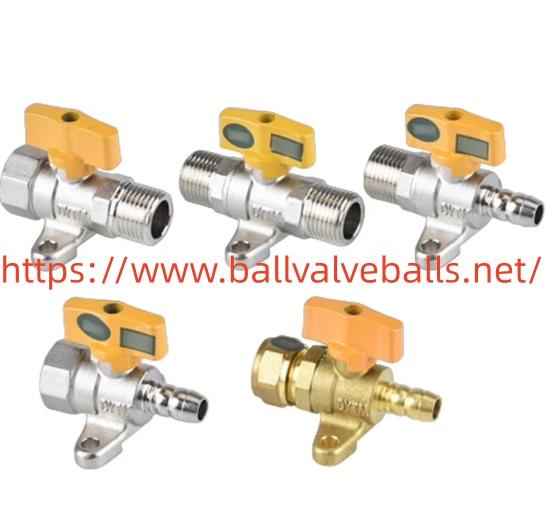
Ball Valve Fixed Ball is a component used in trunnion-mounted equipment, where the spherical element is supported by upper and lower mounting structures. For importers, distributors, and equipment manufacturers, purchasing this type of product requires attention to structural design, dimensions, materials, machining processes, and surface condition. Rather than relying on photographs or general descriptions, buyers should prepare clear technical requirements and confirm important details with the manufacturer before production begins.
Review the Structural Drawing
A technical drawing provides the foundation for evaluating a customized component. Buyers should check the overall shape, internal passage, mounting sections, connection positions, and other structural features.
For a trunnion-mounted design, the supporting sections need to match the corresponding equipment structure. Their positions and dimensions should be clearly identified in the drawing. If the component is intended to replace an existing part, an original sample or reference drawing can help clarify the required configuration.
Before requesting a quotation, confirm that the drawing contains sufficient information for manufacturing. If certain dimensions or features remain uncertain, mark them for discussion instead of allowing assumptions during production.
Confirm Dimensional Requirements
Dimensional control affects how a component fits into an assembled system. Buyers should identify the measurements that influence installation, alignment, and contact with surrounding parts.
Important details may include:
Outside diameter and overall dimensions
Internal passage diameter
Mounting section dimensions
Hole positions and connection sizes
Reference distances and alignment
Permitted dimensional tolerances
The drawing should also state whether metric or imperial measurements are being used. For customized orders, buyers should distinguish between critical dimensions and reference measurements.
When replacing an existing component, comparing the original sample with the proposed drawing can help identify differences before manufacturing. This step is particularly useful when the equipment has been modified or when the original technical documentation is incomplete.
Choose the Material According to Service Conditions
Material selection should be based on the intended operating environment. Temperature, pressure, corrosion exposure, process media, and mechanical requirements can all influence the material specification.
Stainless steel grades such as F304, F316, CF8, and CF8M may be considered for different industrial applications. Other alloy options may also be discussed according to the project requirements.
Buyers should provide the exact material grade whenever possible. A general description such as stainless steel may not be sufficient for a manufacturing quotation because different grades have different compositions and properties.
If the required material has not been decided, provide the operating conditions and ask the manufacturer to discuss possible choices. Material certificates or other relevant documentation can also be requested when required by the purchasing specification.
Examine Machining and Surface Treatment
Machining quality influences the final dimensions, geometry, and surface condition of precision components. Buyers should understand which processes are planned and which areas require particular attention.
Manufacturing operations may include turning, grinding, polishing, drilling, and other procedures according to the product design. The selected process should correspond to the required dimensions and surface characteristics.
Surface treatment may also be necessary for certain applications. Options can include electroless nickel plating, chromium plating, or specialized coatings, depending on the working environment and technical specification.
Before approving a quotation, clarify the required surface finish and any applicable roughness values. If coating is included, discuss its thickness and whether final dimensions are measured before or after treatment.
Ask About Inspection Procedures
A clear inspection plan helps buyers understand how the finished product will be evaluated. Instead of asking only whether quality checks are performed, request details about the actual inspection items.
A purchasing checklist may cover:
Incoming material verification
Dimensional measurements
Roundness and profile checks
Surface finish examination
Visual inspection
Final inspection documentation
The acceptance criteria should be agreed upon before production. If certain dimensions require specific tolerances, record them directly in the approved drawing or purchase specification.
For large or customized orders, buyers may consider requesting a sample before mass production. An approved sample provides a reference for checking later production batches and discussing any differences.
Discuss Customization and Production Planning
Industrial buyers may require non-standard dimensions, modified passages, special materials, or particular surface treatments. A manufacturer needs complete technical information to evaluate these requests.
When submitting an inquiry, include the drawing, material grade, quantity, surface requirements, and intended application. If several models are involved, organize them in a product list with separate reference numbers.
Production planning should also cover sample preparation, order quantity, manufacturing schedule, packaging, and shipping arrangements. Buyers should confirm whether different specifications require separate production arrangements or minimum quantities.
At ballvalveballs, customers can provide drawings and technical requirements for discussions about customized manufacturing, material selection, and processing arrangements. This gives both parties a clearer starting point for reviewing the project.
Evaluate Technical Communication
A manufacturing relationship involves more than receiving a quotation. Buyers may need to discuss drawing revisions, material substitutions, inspection records, and repeat orders throughout the cooperation process.
Pay attention to how clearly the supplier responds to technical questions. Important changes should be recorded and approved before production rather than communicated informally.
For repeat purchases, retaining the approved drawing, material information, and inspection requirements can help maintain consistency between orders. Buyers should also confirm how product identification and packaging information will be managed.
Preparing Your Next Manufacturing Inquiry
Before placing an order, organize the technical drawing, required dimensions, material grade, surface treatment, inspection criteria, and estimated quantity. Include relevant operating conditions and identify any customized features that need discussion. A detailed inquiry gives the manufacturing team a practical reference for evaluating the project and preparing a quotation. To review available product options and discuss your specifications with our team at ballvalveballs, visit https://www.ballvalveballs.net/

 English
 Arabic
 French
 Spanish
 Portuguese
 Deutsch
 Turkish
 Dutch
 Italiano
 Russian
 Romaian
 Portuguese (Brazil)