


Does Dental Veneers Treatment Fix Chipped Teeth?
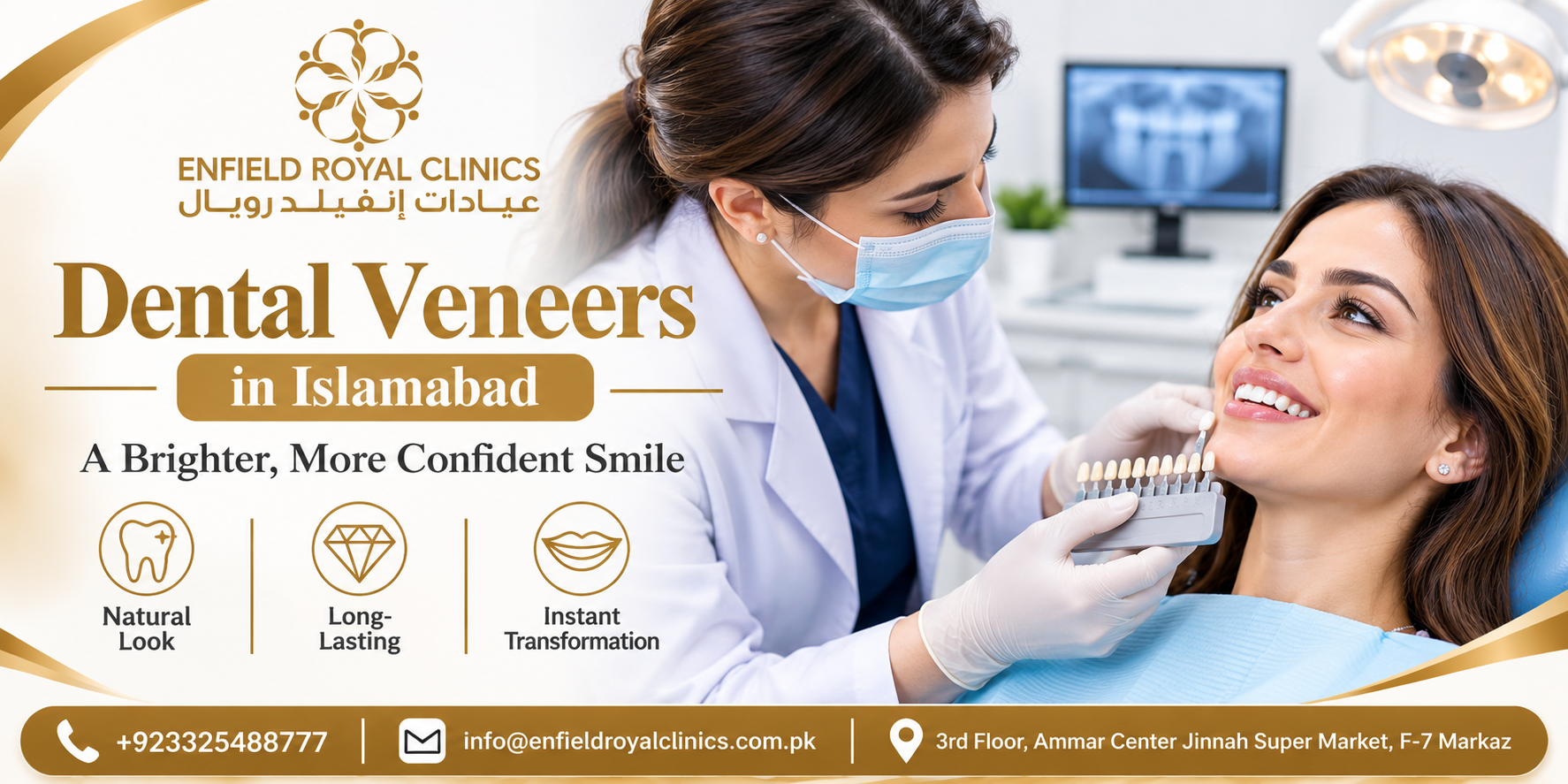
Chipped teeth are a common dental concern that can affect both the appearance and function of a smile. A small chip may seem like a minor issue, but it can make a tooth look uneven, create a rough edge, or cause discomfort when eating. Larger chips may expose sensitive inner tooth layers and require more extensive dental care. Fortunately, several cosmetic and restorative treatments can improve damaged teeth, and dental veneers are one option for suitable cases.
For people considering Dental Veneers in Islamabad, veneers may provide an effective way to cover chipped areas and restore a smoother, more balanced tooth appearance. They are thin, custom-made coverings placed over the front surfaces of teeth. However, not every chipped tooth is suitable for veneers. The right treatment depends on the size of the chip, the location of the damage, the remaining tooth structure, and overall oral health.
1. How Do Dental Veneers Fix Chipped Teeth?
Dental veneers improve chipped teeth by covering the damaged front surface with a carefully designed restoration. They are made to match the colour, shape, and proportions of surrounding teeth, helping the treated tooth blend naturally into the smile.
When a chip affects the visible edge or front surface of a tooth, a veneer can restore its appearance by creating a smooth, even outer layer. The dentist first examines the tooth to determine whether enough healthy structure remains to support the veneer.
Traditional porcelain veneers usually require a small amount of enamel preparation. This creates space for the veneer and helps it fit naturally without making the tooth appear too thick. After preparation, impressions or digital scans are used to create a custom restoration. A temporary veneer may be placed while the final one is prepared, depending on the treatment plan.
Once ready, the veneer is bonded to the tooth using dental adhesive materials. The dentist checks its fit, colour, and bite to ensure a comfortable result.
For very small chips, direct composite bonding may be a simpler alternative. Therefore, veneers are not always necessary for every chipped tooth.
2. Which Types of Chipped Teeth Can Veneers Improve?
Veneers can help correct several types of visible tooth damage, particularly when the affected area is limited to the front surface or edge.
Small chips on front teeth: Minor chips on the upper or lower front teeth can make the smile appear uneven. A veneer may cover the affected area and restore a more balanced shape.
Worn or uneven edges: Teeth can gradually lose their natural shape because of everyday wear, grinding, or other habits. Veneers may help improve the appearance of worn edges when the remaining tooth structure is healthy.
Chipped corners: Small broken corners on front teeth may be concealed with a custom-made veneer. The restoration is designed to match the neighbouring teeth.
Chips combined with discolouration: Some patients have both chipped edges and stubborn stains. A veneer may address these concerns together by improving the visible surface and colour of the tooth.
However, veneers are generally more suitable for cosmetic damage than severe structural injuries. If a chip extends deeply into the tooth, affects the nerve, or causes significant pain, another treatment may be necessary.
3. Are Porcelain or Composite Veneers Better for Chipped Teeth?
Both porcelain and composite veneers can improve the appearance of chipped teeth, but they have different characteristics.
Porcelain veneers are custom-made ceramic restorations. They are known for their natural appearance, strength, and resistance to staining. They may be suitable for patients who want to correct visible chips while improving the overall appearance of their front teeth. With proper care, porcelain veneers can often last around 10–15 years or longer, although their lifespan varies.
Composite veneers use tooth-coloured resin material that can be shaped directly onto the tooth or made separately. They may be suitable for smaller cosmetic corrections and can sometimes be completed in one appointment. Composite material is generally easier to repair, but it is more likely to stain, chip, or wear than porcelain. Its lifespan often ranges from approximately 5–7 years, depending on care and dental habits.
The choice depends on the amount of damage, the patient's expectations, bite pressure, and the condition of the tooth. A dental professional can explain which material is likely to provide the most appropriate result.
4. When Are Dental Veneers Not Suitable for Chipped Teeth?
Although veneers can improve many cosmetic concerns, they are not the right solution for every type of tooth damage. A thorough examination is important before treatment because covering a damaged tooth without addressing the underlying problem can lead to further complications.
Veneers may not be suitable when:
-
The chip extends deeply into the tooth.
-
A large portion of the natural tooth has broken away.
-
The tooth has extensive decay or infection.
-
The tooth nerve is exposed or damaged.
-
The patient has severe teeth grinding or an untreated bite problem.
-
There is active gum disease or poor oral health.
In these situations, other treatments may offer better protection. Dental bonding can repair smaller chips, while a dental crown may be recommended when a larger part of the tooth needs coverage and support. If the tooth nerve is affected, root canal treatment may be required before a suitable restoration is placed.
A dentist should identify the cause and extent of the damage before recommending cosmetic treatment.
5. What Is the Procedure for Getting Veneers on Chipped Teeth?
The process of getting veneers usually involves several steps. The exact treatment plan depends on the material selected and the condition of the affected tooth.
Initial dental examination: The dentist checks the chipped tooth, surrounding gums, bite, and overall oral health. X-rays may be recommended if the damage appears deep or the tooth needs further assessment.
Treatment planning: The patient's smile goals, tooth shade, shape, and preferred material are discussed. The dentist also explains whether veneers, bonding, or another restoration is more suitable.
Tooth preparation: For traditional porcelain veneers, a thin layer of enamel is usually removed from the front surface. The amount depends on the tooth and the planned restoration.
Impressions or digital scans: Measurements are taken to create a veneer that fits the tooth accurately and matches the surrounding smile.
Veneer placement: Once the custom veneer is ready, it is bonded to the tooth. The dentist checks the edges, appearance, and bite before completing the procedure.
Some composite treatments may be completed in a single visit, while porcelain veneers commonly require more than one appointment.
6. How Should Patients Care for Veneers After Treatment?
Good aftercare helps protect veneers and the natural teeth underneath them. Although veneers can improve the appearance of chipped teeth, they still need regular maintenance.
Patients should brush twice daily with a soft-bristled toothbrush and fluoride toothpaste. Daily flossing helps remove plaque around the treated teeth and gumline. Regular dental check-ups allow the dentist to monitor the veneer, surrounding gums, and bite.
Certain habits should be avoided because they can damage the restoration. These include biting ice, chewing hard objects, opening packages with the teeth, and biting fingernails. Patients who grind or clench their teeth may need a custom night guard.
Some temporary sensitivity may occur after veneer preparation or placement. It generally improves with time, but persistent pain, a loose veneer, swelling, or a noticeable bite problem should be assessed by a dentist.
Patients should also remember that veneers do not prevent tooth decay or gum disease. Maintaining good oral hygiene remains essential for long-term dental health.
For more information visit Enfield royal clinic in islamabad
Frequently Asked Questions
1. Can dental veneers repair chipped front teeth?
Yes. Veneers can cover many small or moderate chips affecting the visible surfaces of front teeth, provided enough healthy tooth structure remains to support the restoration.
2. Are veneers better than dental bonding for chipped teeth?
It depends on the damage. Bonding may be suitable for small chips and usually requires less tooth preparation. Veneers may be considered when a larger cosmetic improvement or more extensive surface coverage is needed.
3. Do veneers make chipped teeth look natural?
Custom-made veneers are designed to match the colour, shape, and proportions of surrounding teeth. Careful shade selection and placement help create a natural-looking result.
4. Can a severely chipped tooth be treated with veneers?
Not always. A severely damaged tooth may need a dental crown or another restorative procedure. If the nerve is affected, additional treatment may be necessary.
5. How long do veneers last on chipped teeth?
Porcelain veneers may last around 10–15 years or longer, while composite options often last around 5–7 years. Their lifespan depends on oral hygiene, bite pressure, material, and daily habits.
6. Can a veneer become chipped or broken?
Yes. Although veneers are designed to withstand normal chewing, excessive pressure, teeth grinding, or biting hard objects can damage them. Small composite repairs may be possible, while a damaged porcelain veneer may need replacement.
Conclusion
Dental veneers can be an effective cosmetic option for improving chipped teeth, especially when the damage affects the visible front surface and the natural tooth remains structurally healthy. Porcelain and composite options offer different benefits, while bonding and crowns may be more appropriate for other types of damage. Patients considering Dental Veneers in Islamabad should have the affected tooth professionally examined before choosing a treatment. A suitable restoration can improve the smile's appearance while helping preserve comfort and function.

 English
 Arabic
 French
 Spanish
 Portuguese
 Deutsch
 Turkish
 Italiano
 Russian
 Romaian
 Portuguese (Brazil)
 Greek