


How Is Green Aluminum Transforming Industries Worldwide?
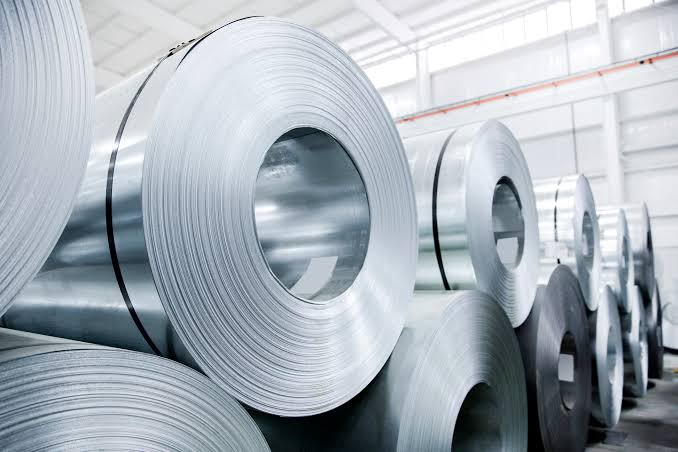
Growing environmental concerns and stricter emission regulations are encouraging industries to rethink their manufacturing processes. From automotive and construction to consumer goods, businesses are increasingly incorporating sustainable materials to minimize their carbon footprint and achieve long-term environmental objectives. Green aluminum is emerging as an important solution in this industrial transition.
According to the latest industry analysis by Markntel Advisor, the Global Green Aluminum Market was valued at approximately USD 95 billion in 2025 and is projected to reach nearly USD 129.5 billion by 2032, registering a CAGR of approximately 5.3% during 2026–2032. Increasing investments in renewable energy-powered smelting facilities and cleaner manufacturing technologies are strengthening the adoption of low-carbon aluminum across various industrial applications.
Green aluminum differs from conventional aluminum through its reliance on renewable electricity, recycled feedstock, and advanced production technologies that substantially reduce greenhouse gas emissions. With governments strengthening climate policies and businesses pursuing net-zero targets, sustainable aluminum production is becoming an increasingly important industrial priority.
How Are Decarbonization Targets Encouraging Aluminum Innovation?
Global efforts to achieve carbon neutrality are accelerating the demand for industrial materials with lower environmental footprints. Manufacturers are examining their supply chains to identify opportunities for reducing emissions, placing aluminum production under increasing attention because of its substantial energy requirements.
The adoption of renewable-powered smelting facilities, recycled aluminum inputs, and energy-efficient manufacturing processes is helping producers minimize environmental impact while maintaining product quality and operational efficiency. These developments also enable businesses to align their manufacturing strategies with increasingly demanding sustainability expectations.
According to the International Aluminium Institute, expanding recycling activities and transitioning toward cleaner electricity sources are among the most effective approaches to reducing emissions throughout the aluminum industry's lifecycle.
Why Is the Automotive Industry Increasing Its Use of Green Aluminum?
The transportation industry represents a significant source of demand for environmentally responsible aluminum. Automotive manufacturers are increasingly using lightweight materials to improve vehicle efficiency, reduce energy consumption, and extend the driving range of electric vehicles.
Aluminum components offer an effective combination of lightweight construction, durability, and corrosion resistance. Their integration also supports manufacturers in reducing the environmental footprint associated with vehicle production.
Beyond passenger electric vehicles, commercial transportation, railway infrastructure, aerospace, and marine industries are also expanding their adoption of sustainable aluminum. The growing preference for materials with lower embedded carbon is creating additional opportunities for environmentally responsible aluminum solutions across transportation applications.
How Is Sustainable Construction Supporting Green Aluminum Adoption?
The construction sector is increasingly incorporating low-carbon materials as developers respond to green building certifications and stricter environmental requirements. Aluminum already plays an important role in modern infrastructure, particularly in building facades, roofing systems, windows, curtain walls, and structural applications.
Architects, contractors, and property developers are prioritizing responsibly manufactured materials to reduce embodied carbon and improve the environmental performance of buildings. Green aluminum offers an attractive combination of recyclability, strength, and durability, making it suitable for sustainable construction projects.
Furthermore, companies are incorporating environmentally responsible materials into their environmental, social, and governance (ESG) strategies. The International Energy Agency also identifies the decarbonization of building materials as an important component of achieving long-term climate objectives.
Can Recycling and Renewable Energy Accelerate Industry Growth?
Aluminum's ability to undergo repeated recycling without significant deterioration in quality makes it particularly valuable for circular economy initiatives. Increasing recycling capacity enables manufacturers to reduce their reliance on primary aluminum production while conserving natural resources and lowering energy consumption.
Producing recycled aluminum requires substantially less energy than manufacturing primary aluminum from raw materials. Consequently, investments in collection systems, recycling facilities, and efficient processing technologies are becoming important elements of sustainable manufacturing strategies.
Meanwhile, aluminum producers are exploring renewable electricity sources, including hydropower, solar, and wind energy, to reduce emissions from smelting operations. Digital manufacturing solutions, production optimization, and carbon monitoring systems are further supporting improvements in operational efficiency and environmental performance.
Which Regional Developments Are Supporting Sustainable Aluminum Production?
Governments and industrial manufacturers across several regions are increasing investments in environmentally responsible aluminum production. Supportive industrial policies, renewable electricity expansion, and decarbonization initiatives are encouraging the development of cleaner manufacturing facilities.
Regions with access to abundant renewable energy are gaining importance as potential production hubs for low-carbon aluminum. At the same time, international manufacturers are strengthening partnerships with energy suppliers, mining companies, and other industry participants to establish more sustainable supply chains.
Cooperation between public authorities and private enterprises is expected to improve resource efficiency and strengthen the industrial ecosystem. Continued technological development and increasing corporate commitments to environmental responsibility will further support the adoption of sustainable aluminum solutions worldwide.
What Does the Future Hold for Green Aluminum?
The shift toward cleaner manufacturing is creating new opportunities for sustainable aluminum production across multiple industries. Increasing environmental awareness, stricter emission requirements, and growing corporate commitments to decarbonization are encouraging manufacturers to adopt materials with lower carbon footprints.
Automotive, construction, packaging, and industrial applications are expected to remain important contributors to future demand. Meanwhile, renewable energy integration, advanced recycling technologies, and manufacturing innovation will continue improving the environmental performance of aluminum production.
With the combination of supportive government policies, technological advancements, and expanding sustainability initiatives, the green aluminum industry is positioned for steady development in the coming years. As highlighted by Markntel Advisor, the growing emphasis on resource efficiency and low-carbon manufacturing will remain central to the industry's long-term outlook.

 Arabic
 French
 Spanish
 Portuguese
 Deutsch
 Turkish
 Dutch
 Italiano
 Russian
 Romaian
 Portuguese (Brazil)
 Greek