


How Poor Data Governance Creates Hidden Risks for Businesses
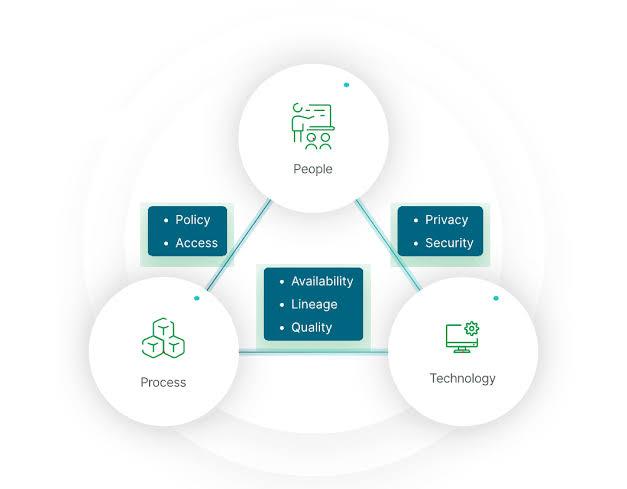
Businesses rely on data to manage daily operations, understand customers, monitor performance, and make strategic decisions. From financial records and customer information to sales reports and operational databases, accurate information is essential for maintaining efficiency and supporting business growth. However, collecting data is only one part of effective data management. Organizations must also ensure that their information is properly organized, protected, maintained, and accessible.
When businesses fail to establish effective data governance practices, they expose themselves to risks that may not become immediately visible. Inaccurate records, inconsistent reporting, unauthorized access, disconnected systems, and poor data management processes can gradually affect productivity, security, and profitability. These problems may remain unnoticed until they create significant operational or financial consequences.
Understanding the hidden risks of poor data governance helps organizations recognize why structured data management is important. By identifying common governance weaknesses and addressing them early, businesses can protect valuable information, improve operational efficiency, and establish a more reliable foundation for long-term growth.
What Is Poor Data Governance?
Data governance refers to the policies, procedures, responsibilities, and standards organizations use to manage information throughout its lifecycle. It establishes how data is collected, stored, accessed, shared, maintained, and protected.
Poor data governance occurs when these responsibilities and processes are unclear, inconsistent, or inadequately implemented. An organization may lack defined data ownership, reliable quality controls, access restrictions, documentation, or standardized information management procedures.
For example, different departments may maintain separate customer databases without following shared standards. Employees might update records independently, creating duplicate entries and conflicting information. Similarly, sensitive business information may be accessible to individuals who do not need it for their responsibilities.
These weaknesses can affect more than the IT department. They can influence customer relationships, financial reporting, regulatory compliance, business intelligence, and everyday decision-making.
1. Inaccurate Data Can Lead to Poor Business Decisions
One of the most significant risks of poor data governance is the use of inaccurate information in business decisions. Managers depend on reports, dashboards, customer records, and performance metrics to understand organizational activities. When these sources contain outdated, incomplete, or incorrect information, decision-makers may develop an inaccurate understanding of business conditions.
Consider a company analyzing monthly sales performance. If its database contains duplicate transactions or missing customer records, the resulting report may overstate or underestimate actual revenue. Management could then make incorrect decisions about marketing budgets, staffing requirements, inventory purchases, or future investments.
Poor data quality can also affect forecasting and strategic planning. Businesses may identify trends that do not accurately represent customer behavior or market demand.
Effective data governance helps reduce these risks by establishing data quality standards, validation procedures, and clear ownership responsibilities. When employees work with consistent and reliable information, management can make decisions with greater confidence.
2. Data Silos Create Communication and Integration Problems
As organizations grow, they often introduce new software applications to support sales, finance, marketing, customer service, and operations. While these systems can improve individual workflows, problems arise when departments manage information separately without consistent data governance.
This situation creates data silos, where important business information remains isolated within specific departments or applications. Employees may struggle to access updated records, compare reports, or understand how different business activities are connected.
For example, a sales team may maintain customer details in a CRM platform while the finance department stores billing information in a separate system. If these platforms do not share consistent identifiers or data standards, employees may encounter duplicate records and conflicting customer information.
Data silos also make business reporting more complicated because teams may use different datasets to measure the same performance indicators.
A structured data governance framework helps organizations define shared standards, establish data ownership, and improve information exchange between systems. This creates a more connected data environment and makes it easier for departments to collaborate.
3. Weak Data Security Increases the Risk of Unauthorized Access
Businesses manage valuable information, including customer details, employee records, financial documents, and confidential operational data. Without appropriate governance policies, organizations may struggle to control who can access this information and how it can be used.
Weak access management can expose sensitive records to unnecessary users. Employees may retain permissions after changing roles, shared accounts may make activities difficult to trace, or confidential files may be distributed without proper authorization.
These weaknesses increase the possibility of accidental exposure, internal misuse, and unauthorized data access.
Poor data governance can also make security incidents more difficult to investigate. When organizations lack clear ownership, access records, and documented procedures, identifying how information was accessed or modified may require additional time and resources.
Businesses can reduce these risks by establishing role-based access controls, data classification policies, regular permission reviews, and appropriate monitoring procedures. Governance should work alongside cybersecurity measures to help protect information throughout its lifecycle.
4. Regulatory Compliance Becomes More Difficult
Organizations operating in regulated industries must follow specific requirements for collecting, processing, storing, and protecting information. Depending on the industry and location, these requirements may include privacy obligations, financial recordkeeping standards, and sector-specific data protection rules.
Poor data governance makes compliance more challenging because businesses may not know exactly where sensitive information is stored, who can access it, how long it is retained, or how it is shared with external systems.
For example, a company that maintains customer information across multiple databases may struggle to identify all relevant records when responding to a privacy request. Inconsistent documentation can also make it difficult to demonstrate that appropriate information management procedures are being followed.
These problems may increase compliance costs and expose organizations to legal, financial, and reputational consequences.
A well-designed data governance framework helps businesses document their data practices, establish retention policies, assign responsibilities, and maintain better visibility into how information is handled. It supports compliance efforts, although organizations must still implement the specific controls required by applicable regulations.
5. Poor Data Management Increases Operational Costs
Many businesses underestimate how much time and money they spend correcting problems caused by unreliable information. Employees may repeatedly verify customer details, remove duplicate records, reconcile conflicting reports, or manually transfer information between disconnected systems.
These activities consume valuable working hours that could otherwise be spent on customer service, business development, and strategic projects.
For instance, inaccurate inventory records may cause a company to purchase products it already has in stock or fail to reorder items that are running low. Similarly, duplicate customer records may lead to repeated communication and inefficient sales processes.
Poor governance can also increase technology costs when organizations maintain unnecessary copies of datasets or build complicated workarounds to compensate for inconsistent information.
Establishing data standards, ownership responsibilities, and quality monitoring procedures helps reduce these inefficiencies. Over time, better data management can support more efficient workflows and reduce the resources required to maintain business information.
6. Unreliable Analytics Can Mislead Business Intelligence Systems
Business intelligence and data analytics allow organizations to transform information into meaningful insights. Companies use analytical tools to understand customer behavior, measure performance, forecast demand, and identify opportunities for improvement.
However, analytical systems cannot automatically correct every problem in the information they receive. When underlying datasets contain errors, inconsistent definitions, or missing records, analytical results may be misleading.
For example, an organization may use customer purchase data to identify its most profitable customer segments. If transactions are incorrectly categorized or customer records are duplicated, the analysis may produce inaccurate conclusions.
This can affect marketing strategies, product planning, financial forecasts, and operational decisions.
Poor governance also creates challenges for teams using artificial intelligence and machine learning. Models trained on incomplete or poorly documented information may produce unreliable outputs or reflect weaknesses in the underlying data.
Data governance improves the foundation of analytics by establishing standards for data quality, documentation, access, and accountability. Businesses looking to strengthen their information management and analytical capabilities can explore Data Governance to understand how professional data solutions can support more reliable business information and analytics.
7. Unclear Data Ownership Creates Accountability Gaps
Data quality requires ongoing attention. Records must be updated, errors must be investigated, access permissions must be reviewed, and information management policies must be maintained.
When organizations do not assign clear ownership responsibilities, these activities can become neglected. Departments may assume that another team is responsible for correcting records or maintaining important datasets.
For example, a business may discover that customer contact information is outdated across several platforms. Without an assigned data owner or steward, employees may not know who should approve corrections or ensure that updates are applied consistently.
This creates accountability gaps that allow small data problems to develop into larger operational challenges.
Effective governance addresses this issue by defining the responsibilities of data owners, data stewards, IT teams, and business users. Clear ownership makes it easier to identify who maintains particular datasets and who is responsible for resolving quality issues.
8. Poor Data Governance Can Damage Customer Trust
Customer information plays an important role in communication, marketing, service delivery, and relationship management. Businesses depend on accurate records to understand customer preferences, respond to inquiries, process transactions, and provide consistent experiences.
When data governance is weak, customers may receive duplicate messages, incorrect invoices, irrelevant offers, or communication intended for someone else. These mistakes can create frustration and reduce confidence in a business.
Security incidents involving personal information can have even more serious consequences. Customers may lose trust when organizations fail to protect the information they have provided.
Reliable data management helps businesses maintain accurate customer records, apply appropriate access controls, and establish consistent procedures for handling personal information.
By treating customer data as a valuable business responsibility, organizations can improve service quality and build stronger long-term relationships.
9. Cloud Data Environments Become More Difficult to Manage
Many organizations now use cloud platforms to store information, run applications, and support collaboration between distributed teams. Although cloud technology offers flexibility and scalability, it can introduce additional governance challenges.
Businesses may store information across multiple cloud services, databases, and applications. Without consistent governance policies, they may struggle to understand where information is located, who controls it, and which security standards apply.
Different platforms may also use separate access policies, data formats, and retention procedures. This can create inconsistent information management practices and increase the complexity of monitoring business data.
Effective cloud data governance establishes consistent rules for data access, classification, ownership, integration, and retention across cloud environments. It helps organizations maintain better control over information while taking advantage of cloud-based infrastructure.
How Businesses Can Reduce the Risks of Poor Data Governance
Reducing data governance risks requires a structured approach that connects technology, people, and business processes. Organizations should begin by evaluating how information is currently collected, stored, accessed, and shared. This assessment can reveal duplicate databases, unclear ownership, inconsistent reporting standards, and security weaknesses.
The next step is to establish clear data ownership and accountability. Every important dataset should have defined responsibilities for maintaining its quality, managing access, and addressing problems. Businesses should also introduce standardized data definitions and validation procedures so that information remains consistent across departments.
Access management is another important part of an effective governance strategy. Organizations should review employee permissions regularly and ensure that sensitive information is accessible only to authorized users. Documentation and monitoring procedures can further improve visibility into how business data is managed.
Technology can support these efforts through data quality tools, metadata management platforms, data catalogs, and integration solutions. However, technology alone cannot create effective governance. Employees must understand the policies and follow consistent procedures in their daily work.
Finally, data governance should be reviewed continuously. As organizations introduce new applications, expand operations, and collect additional information, their governance requirements will evolve. Regular assessments help businesses identify emerging risks and maintain effective information management practices.
Conclusion
Poor data governance creates hidden risks that can affect nearly every part of a business. Inaccurate information can lead to poor decisions, disconnected systems can create operational inefficiencies, weak security controls can expose sensitive records, and inconsistent data practices can make regulatory compliance more difficult.
These problems often develop gradually, making them easy to overlook until they begin affecting performance, costs, or customer relationships.
An effective data governance framework helps organizations establish clear responsibilities, maintain consistent data standards, protect valuable information, and improve confidence in business reporting. It also creates a stronger foundation for data analytics, business intelligence, and digital transformation.
As businesses become increasingly dependent on information, treating data governance as an ongoing business priority is essential. Organizations that manage their data responsibly can reduce operational risks, improve efficiency, and build a more reliable foundation for sustainable growth.

 English
 Arabic
 Spanish
 Portuguese
 Deutsch
 Turkish
 Dutch
 Italiano
 Russian
 Romaian
 Portuguese (Brazil)
 Greek