


What Makes a Butane Gas Cartridge Suitable for Buyers?
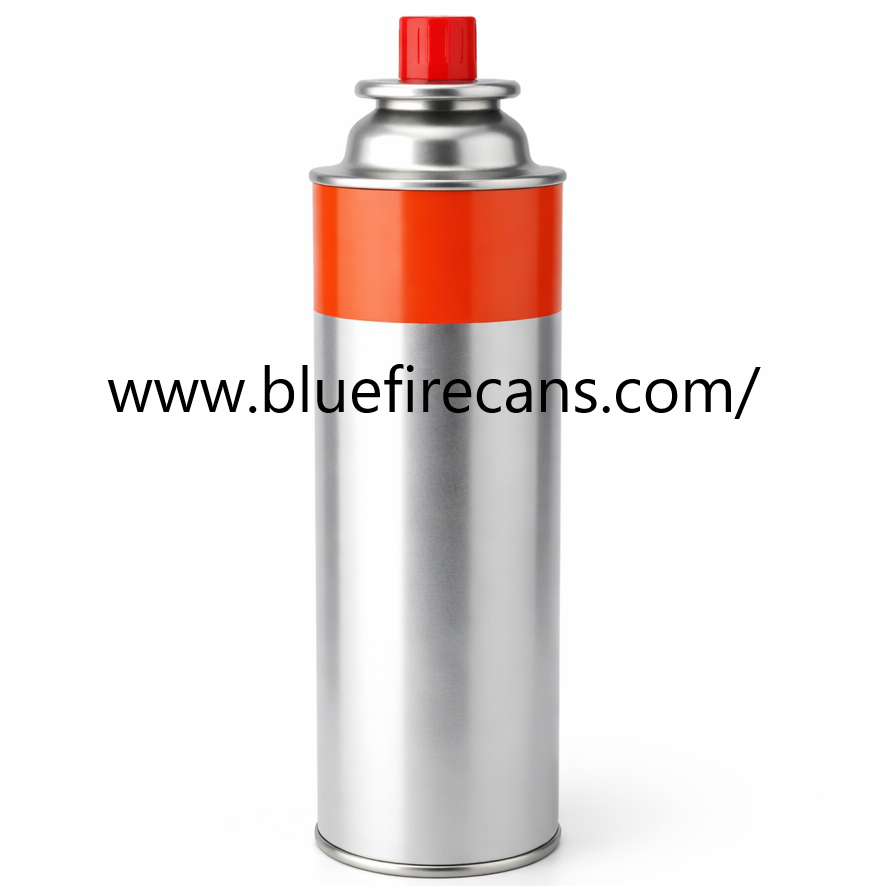
Butane Gas Cartridge purchasing involves several considerations beyond product appearance and quoted price. Importers, wholesalers, camping equipment distributors, and appliance manufacturers need to examine technical specifications, construction details, and supplier capabilities before confirming an order. A clear purchasing process helps buyers match the product with its intended application, prepare accurate specifications, and establish expectations with the manufacturer. Starting with the right questions can also make sample evaluation and future cooperation more straightforward.
Identify the Required Product Format
Before requesting a quotation, buyers should identify the type of appliance or equipment that will use the product. Portable cooking equipment and outdoor appliances may require different connection structures, dimensions, and technical specifications. Referring to the appliance manufacturer's instructions is an important step when checking compatibility.
Buyers should also distinguish between pierceable containers and models fitted with specific valve systems. These formats are designed for different applications and should not be considered interchangeable without confirmation from the equipment manufacturer. Providing reference photographs, interface measurements, and appliance model information can help a supplier identify a suitable option.
Check Capacity and Dimensional Information
Product capacity and physical measurements affect compatibility, storage, packaging, and transportation planning. Buyers should request written information about net filling weight, container height, diameter, and other relevant dimensions.
It is useful to confirm how measurements are recorded and whether the stated figures apply to the empty container or the finished product. Tolerances should also be discussed before sample approval. This gives both parties a shared reference when checking production batches.
For wholesalers, standardized specifications can simplify product catalog management. For equipment manufacturers, dimensional accuracy may be particularly important because the container needs to fit a specific appliance design. Keeping these requirements in a written specification sheet helps prevent avoidable misunderstandings.
Review Materials and Manufacturing Details
The container body, surface treatment, and valve components are important parts of a technical evaluation. Buyers can ask about the metal material, forming process, coating method, and component assembly procedures. These details provide a clearer picture of the manufacturer's production capabilities.
A visual inspection is useful, but appearance alone cannot establish product suitability. Purchasing teams should also request information about dimensional inspection, sealing checks, and applicable performance testing. The relevant standards and test requirements should be confirmed according to the product design and the regulations in the destination market.
When reviewing samples, buyers can record visible details such as surface condition, printing clarity, component alignment, and overall dimensions. These observations can then be compared with the approved sample during later deliveries.
Understand the Quality Inspection Process
A reliable purchasing arrangement should include clear inspection procedures. Buyers should ask which production stages are checked, what testing methods are used, and how inspection results are recorded.
Depending on the specific design and applicable standards, inspection procedures may cover dimensional accuracy, valve installation, leakage, pressure resistance, and finished packaging. It is important to confirm which checks apply to the selected model rather than assuming that every product follows an identical testing process.
Batch identification is another detail worth discussing. Production codes and inspection records can help connect finished products with their manufacturing history. This information is useful when distributors handle customer questions or need to trace a particular shipment.
Confirm Labeling and Packaging Requirements
Label information should be prepared according to the product category and destination-market regulations. Buyers should clarify the required product details, warning information, language versions, and other mandatory markings before artwork approval.
Packaging should also be discussed during the quotation stage. Important details include carton dimensions, units per carton, protective materials, printing requirements, and pallet arrangements. For international deliveries, the actual contents and shipping route determine which dangerous-goods transport rules and carrier conditions apply. Buyers should confirm these arrangements with qualified logistics providers before shipment.
Evaluate the Supplier Before Placing an Order
Technical suitability is only one part of supplier evaluation. Buyers should also discuss minimum order quantities, sample availability, customization options, production schedules, payment conditions, and delivery arrangements.
For repeat orders, keeping approved samples and written specifications can make communication easier. Any proposed change to the container dimensions, valve structure, filling details, label artwork, or carton configuration should be reviewed and confirmed before production begins.At bluefirecans, communication about product requirements, packaging preferences, and order arrangements can help commercial buyers prepare their purchasing plans. Before requesting a quotation, businesses can organize their technical questions and target-market requirements for a more productive discussion. To review available products and learn more about manufacturing and cooperation options, visit https://www.bluefirecans.com/ and contact the company with your project details.

 English
 Arabic
 French
 Portuguese
 Deutsch
 Turkish
 Dutch
 Italiano
 Russian
 Romaian
 Portuguese (Brazil)
 Greek