A kettle whistles, wet boots line the door, and a guide begins a story. Outside, clouds curl around a snowy peak. Trekking in Nepal can bring moments like this: a warm cup in cold hands and good company at the end of a long trail.
A Door Open After a Long Walk
Many trails in Nepal pass through small villages. Family-run lodges, called tea houses, offer simple rooms and cooked meals.
After hours of walking, trekkers can rest their legs in the dining room. Some lodges have a stove that warms the room. As the evening grows cold, people gather around it with cups of tea.
One Trek in Numbers
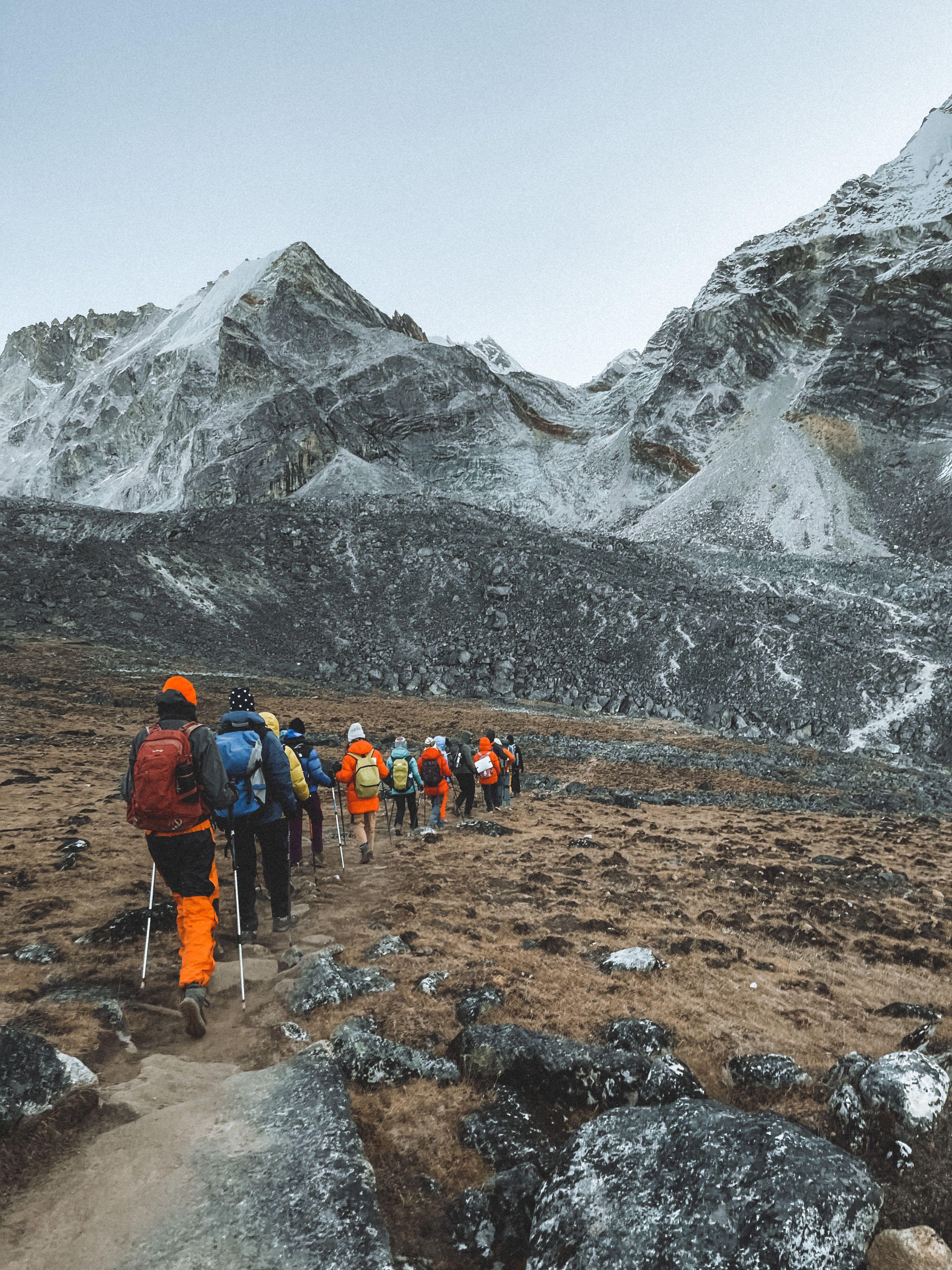
The walk from Lukla to Everest Base Camp and back usually takes about 13 days, with 12 to 14 days being common. That includes rest days. The round trip covers roughly 130 kilometers (81 miles) on foot. The highest point on the main route is base camp, at 5,364 meters (17,598 feet). An optional hike up Kala Patthar goes higher and adds distance.
Stories Shared Over a Cup
A host might tell a story about the village. A guide may explain the names of the peaks outside. A trekker might laugh about a line of yaks that stopped traffic on the trail.
Each table can hold a different story. But not every host has time to talk. A smile and a simple “thank you” are welcome too.
Tea choices vary from lodge to lodge. A cup of sweet milk tea or ginger tea can feel good after a chilly walk.
A Meal That Warms the Day
Dal bhat is a popular meal of rice and lentils, often served with vegetables. Many tea houses also offer noodle soup, potatoes, or eggs.
Getting food to a mountain lodge takes work. Porters or pack animals carry some supplies along the trail, so meals can cost more at higher stops.
Rooms are simple and may be cold. Bathrooms are often shared. Hot water and phone charging may cost extra or be unavailable. Ask about room and meal prices, and carry cash for small costs.
Other Paths, Other Welcomes
Everest is only one place to trek. In the Annapurna region, paths pass through forests and Gurung villages. In Langtang, many villages are home to Tamang families.
Every trail has its own sights and traditions. Some trips also offer stays in family homes, where guests may share a meal with their hosts.
Help From a Local Team
Nepal Social Treks and Expedition offers guided treks in Nepal. The team can help arrange guides, porters to carry bags, permits, transport, and tea house stays.
Before booking, ask what the price includes and how rest days are planned. It is also worth asking about fair pay, insurance, and proper gear for porters.
Go Slowly Up High
High in the mountains, each breath brings in less oxygen. A slow pace and rest days help the body adjust.
A headache, dizziness, or feeling sick can be signs of altitude sickness. Stop going higher and tell the guide. If the signs get worse or do not improve, go down with help and get medical care.
Confusion, trouble walking, or trouble breathing at rest can mean an emergency. Go down with help right away and get urgent medical care.
Leave a Kind Footprint
Ask before taking photos of people, and follow local advice at places of prayer. Carry trash away and leave flowers where they grow.
Spring and fall are popular trekking seasons, but the weather can change fast. Warm layers and rain gear are useful. Travel insurance should cover the planned trekking height and emergency rescue.
The Warmth That Travels Home
A mountain view may be the reason to start a trek. Yet a shared meal, a kind host, and a story over tea can stay in memory just as long.




 English
 Arabic
 French
 Spanish
 Portuguese
 Deutsch
 Turkish
 Dutch
 Italiano
 Romaian
 Portuguese (Brazil)
 Greek