


How Much Does Professional Bee Removal Cost in Melbourne?
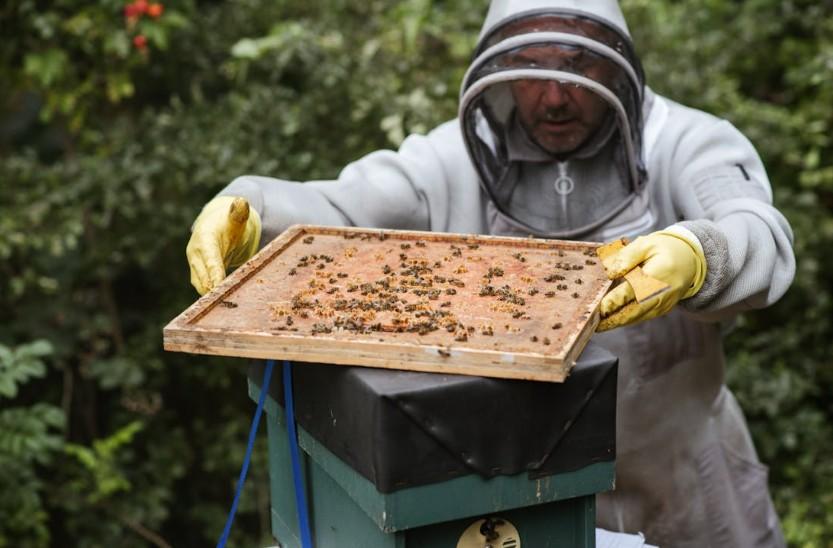
Finding a beehive around your home or business can raise questions about safety, property damage and the cost of having it professionally removed. The price of bee removal in Melbourne can vary depending on the type of bees, the location of the nest, how accessible it is and the work required to manage the situation safely.
A small, exposed swarm may be relatively straightforward to handle, while an established hive inside a roof cavity or wall may require more time, equipment and follow-up work. Understanding the factors that influence pricing can help property owners make informed decisions before arranging a professional service.
What Is the Average Cost of Professional Bee Removal in Melbourne?
There is no single price that applies to every bee removal job. The final cost depends on the circumstances of the infestation and the method needed to address it.
For example, a visible swarm on a low tree branch may require less work than a hive established inside a building. When bees have entered a roof space, wall cavity or another enclosed area, technicians may need to investigate the structure before deciding how to access the nest.
Some providers may offer an initial inspection or assessment, while others may include this as part of their service. It is worth asking what is covered in the quoted price so you understand whether additional work could attract extra charges.
Factors That Affect Bee Removal Costs
Several factors can influence the overall price of professional bee removal.
1. Location of the Beehive
The position of the hive is one of the main considerations. A swarm hanging from an accessible branch may be easier to manage than a colony established behind a wall or beneath roof tiles.
Difficult locations can require specialised access equipment, additional labour and careful work to avoid damaging the property. If the hive is located in a confined or elevated area, the job may take longer to complete.
2. Size and Age of the Hive
A newly arrived swarm may not have established a permanent nest. In some cases, it may move on naturally, although its behaviour should be monitored from a safe distance.
An established colony can be more complicated to manage. It may have built substantial honeycomb and stored honey within the nesting area. Removing the bees without addressing the remaining hive material may create further problems, including attracting other insects or encouraging future bee activity.
3. Type of Bee
Correct identification is important before deciding on a removal approach. Honeybees, native bees and other bee-like insects can have different nesting behaviours and require different management methods.
Some native bees are solitary or form small colonies and are generally beneficial to local ecosystems. They may not require removal at all. A professional assessment helps determine what species is present and whether intervention is necessary.
4. Accessibility and Equipment
The equipment required for a job can affect the final quote. A hive in an easily reached location may need basic removal equipment, while a nest in a high roof area or enclosed cavity may require ladders, protective equipment and specialised tools.
If technicians need to access a building cavity, the work may also involve coordination with a property owner or building professional.
5. Honeycomb and Nest Material Removal
Removing the bees is not always the end of the job. Established hives can leave behind honeycomb, wax and honey inside the nesting space.
If this material remains, it may attract ants, other insects or pests. Honey can also leak into building materials and create odours or staining. Ask whether the quote includes honeycomb removal, cleaning and any necessary access repairs.
Why Professional Bee Removal Is Worth Considering
Attempting to disturb a beehive without suitable training and protective equipment can put people and pets at risk. Bees may become defensive when their colony is threatened, particularly when a nest is disturbed.
Professional technicians can assess the situation, identify the species and determine an appropriate management method. Where practical, bee-friendly removal or relocation may be considered.
A professional service can also help identify the source of recurring bee activity and explain whether further work is needed to prevent bees from returning to the same nesting area.
Does Bee Removal Cost More for Roofs and Wall Cavities?
It can. Removing bees from an enclosed space is often more involved than managing an exposed swarm.
Technicians may need to locate the precise nesting area, determine how the bees are entering the building and establish a safe access point. Once the colony has been managed, the remaining honeycomb may also need to be removed.
The extent of the work depends on the building structure and the condition of the nesting area. Before approving the job, ask whether the price covers access, removal, honeycomb disposal and any follow-up recommendations.
How to Get an Accurate Bee Removal Quote
Providing clear information can help a service provider assess the job more efficiently. When requesting a quote, explain where you have noticed the bees and how long they have been active.
Useful details include:
-
The location of the bees, such as a tree, roof, wall cavity or shed.
-
Whether you can see a swarm or a permanent nest.
-
The approximate height and accessibility of the area.
-
Whether bees are entering and leaving through a small opening.
-
Whether there has been previous bee activity at the property.
Photographs taken from a safe distance may also help with an initial assessment. Do not approach, touch or attempt to open the nesting area to get a closer picture.
For a clearer understanding of the likely pricing factors, read about bee control cost Melbourne. A site assessment may still be needed before a final quote can be confirmed.
Is Bee Removal Available Across Melbourne Suburbs?
Professional bee removal services may be available across metropolitan Melbourne, including residential and commercial properties. The location of the job can influence travel arrangements and service availability, so it is helpful to provide the property suburb when making an enquiry.
For example, property owners looking for bees removal East Melbourne, bees removal Box Hill or bees removal Elsternwick can provide details about the nest location when requesting an assessment.
Whether the issue involves an exposed swarm, a roof cavity or a colony around an outdoor structure, the recommended approach should be based on the species and the conditions at the property.
Questions to Ask Before Booking a Bee Removal Service
Before accepting a quote, ask the provider a few practical questions:
-
Is the initial inspection included in the quoted price?
-
Does the service include identifying the bee species?
-
Is relocation considered where appropriate?
-
Does the quote cover honeycomb and nest material removal?
-
Are additional access or repair costs possible?
-
Is follow-up work included if required?
Getting these details in writing can help avoid confusion about what the service covers.
Choose the Right Approach for Bee Removal
The cost of professional bee removal in Melbourne depends on more than the number of bees present. The hive's location, size, accessibility, species and the need to remove remaining honeycomb can all influence the final price.
Rather than choosing a service based on the lowest advertised figure, compare what each quote includes and whether the proposed method is suitable for the situation. A proper assessment helps property owners understand the work involved and make a safer, more informed decision.

 English
 Arabic
 French
 Portuguese
 Deutsch
 Turkish
 Dutch
 Italiano
 Russian
 Romaian
 Portuguese (Brazil)
 Greek