


How Should You Evaluate Railing Systems for Buildings Exposed to Harsh Canadian Weather?
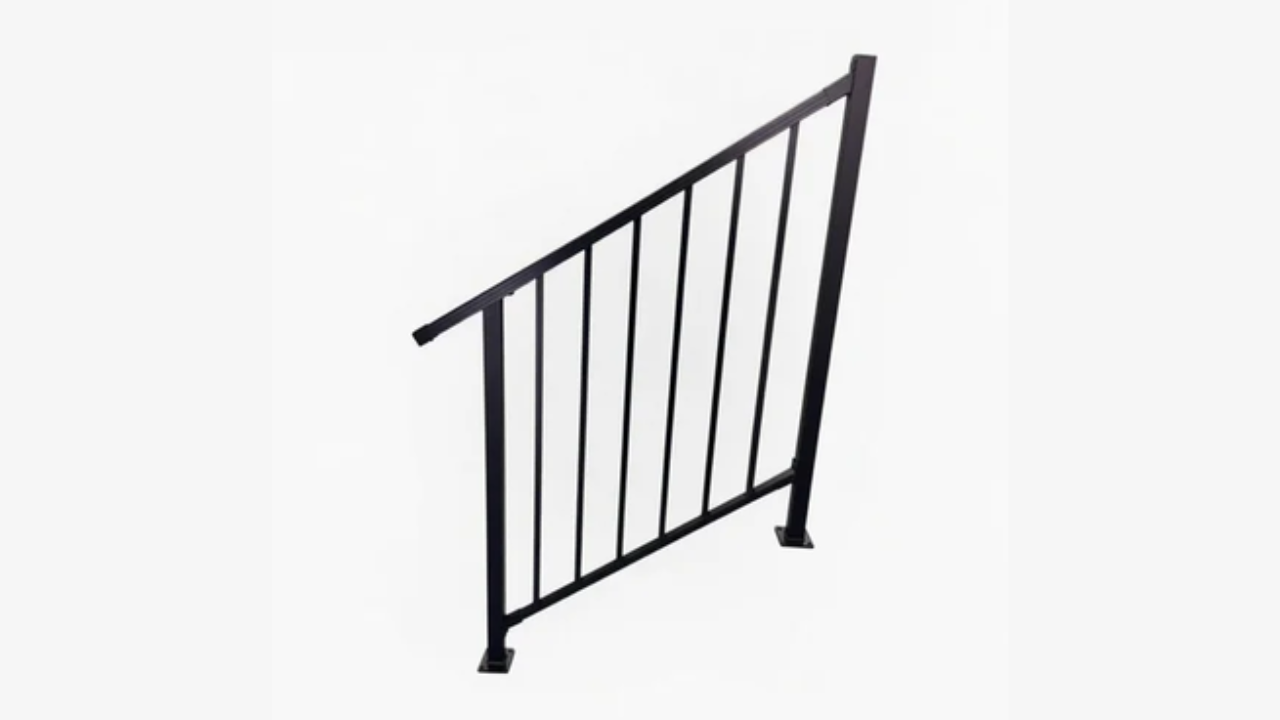
Start by checking five things: the material, the finish, the build quality, code fit, and long-term upkeep. Canadian snow, ice, road salt, and freeze-thaw cycles test every part of a railing. A well-made aluminum guard railing handles these stresses well because it resists rust and stays stable in deep cold. Still, a smart review looks at more than the metal alone.
Why Canadian Weather Is So Hard on Railings
Canadian winters are tough on outdoor structures. Temperatures can swing from far below zero to above freezing in a single week. Water seeps into small gaps, freezes, and expands. This freeze-thaw cycle can crack coatings and loosen joints.
Road salt adds another problem. Salt spray travels from streets and driveways onto porches, decks, and balconies. It speeds up corrosion on weak metals. Heavy snow adds weight, and wind adds stress. So, a railing must be strong, stable, and well protected. Each feature matters.
Start With the Material
Material is the first checkpoint. Aluminum forms a thin, natural oxide layer. This layer shields the metal from moisture. As a result, aluminum does not rust the way steel does. It also does not turn brittle or warp in low temperatures.
Steel is strong, but it needs more care. Without a good coating, it can rust. Even a small chip in the paint exposes bare metal. Road salt then speeds up the damage, and repainting becomes a regular chore. Wood looks warm and classic. However, it can rot, split, and swell in wet seasons. It also needs frequent sealing. Glass panels look sleek, but they still rely on strong metal posts and hardware.
Check the Finish and Coating
The finish deserves close attention. Powder coating is a popular choice. It bonds to the metal and forms a tough shell. It resists fading, chipping, and moisture. Ask a few direct questions:
-
Coating type: Powder coating usually holds up better than basic paint in cold, wet weather.
-
Coating timing: A coat applied after cutting and welding protects edges and joints, where moisture likes to hide.
-
Warranty: A clear finish warranty shows how much the maker trusts the product.
Review the Design and Build Quality
Solid posts, clean welds, and tight connections keep a railing steady under load. Look closely at post anchoring. Posts should sit on a sound base, such as concrete or a well-built deck frame. Weak anchors can loosen as frost shifts the ground.
Hidden hardware matters too. Stainless steel or coated fasteners resist corrosion better than plain steel screws. Rust at a screw head can stain the railing and weaken the joint over time. Drainage is another small detail with a big payoff. Hollow rails and posts should let water escape. Trapped water can freeze and push against the metal walls from inside.
Test Strength Under Snow and Ice
Snow can pile up fast on balconies and steps. Ice adds extra weight and makes surfaces slick. A railing must stay firm when someone grabs it in a hurry.
Therefore, ask about load ratings. Reputable makers can share testing details. Also, look at the top rail shape. A smooth, graspable rail gives better hold with gloves on. Lightweight systems, like aluminum, also put less strain on decks and balcony slabs.
Confirm Code Compliance
Safety rules differ by province and city. The National Building Code of Canada sets a baseline, and local codes add more detail. These rules cover guard height, strength, and the gaps between balusters. Gaps are kept narrow so a child cannot slip through.
Always confirm local requirements with the building office before installation. In addition, give the finished railing a firm push. It should not wobble or flex. A system that passes on paper should also feel solid in daily use.
Compare Style and Fit
Looks count too. A railing covers a large part of a home’s front view. Aluminum comes in many colours and styles, from flat bars to classic spindles. Some finishes even mimic the look of wood without the upkeep. Pick a style that suits the home. Then check that the finish choice still meets the durability points above. Good looks should never come at the cost of safety.
A Simple Evaluation Checklist
Use this short list when comparing quotes:
-
Material: Confirm it resists rust and stays stable in deep cold.
-
Finish: Look for durable powder coating with a clear warranty.
-
Hardware: Choose corrosion-resistant fasteners and solid anchors.
-
Drainage: Make sure hollow parts can shed water.
-
Code: Check local guard height and spacing rules.
-
Upkeep: Estimate yearly care and total long-term cost.
Final Remarks
Evaluating railings for harsh Canadian weather takes a careful eye. Material, finish, build, code, and upkeep all play a part. A well-built aluminum guard railing offers rust resistance, steady performance in the cold, and low maintenance. These traits make it a strong fit for many homes and buildings.
Take time to compare options and ask good questions. Doing so helps avoid costly repairs later. Brands such as Republic Railing offer aluminum railing systems for owners who want dependable protection through every season.

 English
 Arabic
 French
 Spanish
 Deutsch
 Turkish
 Dutch
 Italiano
 Russian
 Romaian
 Portuguese (Brazil)
 Greek