


Full Blood Test Basics: What Every Patient Should Know
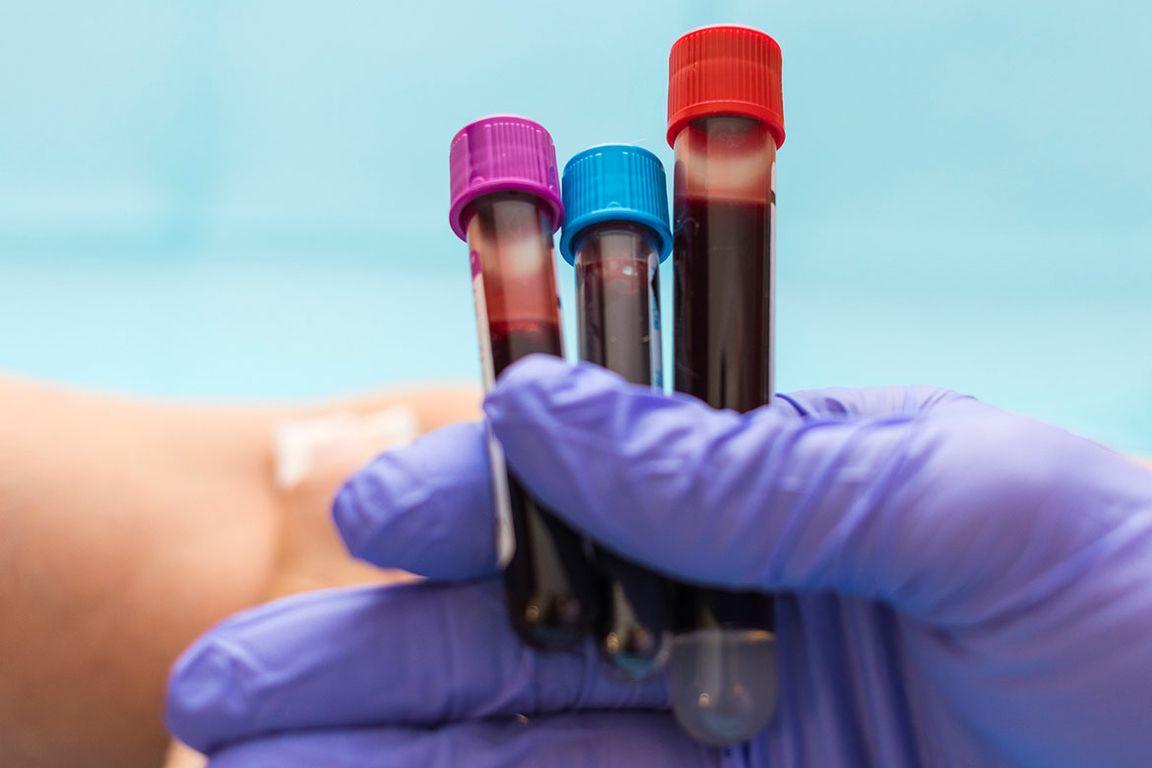
A full blood test is one of the most commonly requested medical investigations, yet many patients undergo testing without fully understanding its purpose. While a blood sample may only take a few minutes to collect, the information it provides can offer valuable insights into nearly every major system in the body.
From identifying nutritional deficiencies and monitoring chronic conditions to detecting hidden diseases and evaluating overall wellness, a comprehensive blood test plays a central role in modern healthcare. It is often the starting point for diagnosing symptoms, assessing health risks, and creating personalized treatment plans.
Whether you are preparing for your first Full Blood Test in Dubai or simply want to better understand your results, knowing the basics can help you become a more informed and proactive participant in your healthcare journey.
What Exactly Is a Full Blood Test?
A full blood test is a group of laboratory analyses performed on a blood sample to assess various aspects of health. Rather than focusing on a single condition, it provides a broad overview of how your body is functioning.
Depending on the purpose of the test, a full blood panel may include:
-
Complete Blood Count (CBC)
-
Blood glucose testing
-
Cholesterol profile
-
Liver function tests
-
Kidney function tests
-
Iron studies
-
Vitamin D assessment
-
Vitamin B12 testing
-
Thyroid function screening
-
Inflammatory markers
Together, these tests create a comprehensive picture of your current health status.
The Journey of a Blood Sample: From Collection to Results:
Many patients wonder what happens after their blood is drawn.
Blood Collection:
A healthcare professional collects a small blood sample from a vein, typically in the arm.
The procedure usually takes only a few minutes and causes minimal discomfort.
Laboratory Analysis:
The sample is sent to a laboratory where specialized equipment measures various blood biomarkers.
These instruments analyze:
-
Blood cells
-
Enzymes
-
Proteins
-
Hormones
-
Minerals
-
Waste products
Result Interpretation:
Healthcare providers review the results alongside your symptoms, medical history, medications, and lifestyle factors.
This comprehensive approach helps ensure accurate interpretation.
The Main Components of a Full Blood Test:
To understand your report, it helps to know the major categories commonly included in blood testing.
Complete Blood Count (CBC):
The Complete Blood Count evaluates the cellular components of blood.
Key measurements include:
Red Blood Cells:
Red blood cells transport oxygen throughout the body.
Low levels may indicate:
-
Iron deficiency
-
Vitamin deficiencies
-
Anemia
-
Chronic illness
Healthy red blood cell production supports energy, physical performance, and organ function.
Hemoglobin:
Hemoglobin is the oxygen-carrying protein found inside red blood cells.
Reduced hemoglobin levels often contribute to fatigue and weakness.
White Blood Cells:
White blood cells help defend the body against infection and disease.
Abnormal counts may signal:
-
Infection
-
Inflammation
-
Immune disorders
Platelets:
Platelets are responsible for blood clotting and tissue repair.
Balanced platelet levels are essential for normal healing and circulation.
Understanding Blood Sugar Measurements:
Blood glucose regulation is a key indicator of metabolic health.
Fasting Blood Glucose:
This test measures blood sugar levels after a period of fasting.
Elevated levels may suggest:
-
Prediabetes
-
Type 2 diabetes
-
Insulin resistance
Early detection can prevent serious long-term complications.
HbA1c:
HbA1c reflects average blood sugar levels over the previous two to three months.
Unlike a single glucose reading, it provides a broader view of long-term glucose control.
Healthcare providers frequently use HbA1c for diabetes screening and monitoring.
Cholesterol Testing and Heart Health:
Cardiovascular disease often develops gradually, making routine blood screening extremely valuable.
Total Cholesterol:
This measurement provides an overall view of cholesterol circulating within the bloodstream.
LDL Cholesterol:
Low-density lipoprotein is commonly known as bad cholesterol.
High LDL levels may increase the risk of:
-
Heart disease
-
Stroke
-
Atherosclerosis
HDL Cholesterol:
High-density lipoprotein is often called good cholesterol because it helps remove excess cholesterol from the bloodstream.
Higher HDL levels are generally associated with improved cardiovascular health.
Triglycerides:
Triglycerides are a type of fat used for energy storage.
Elevated levels can contribute to cardiovascular disease and metabolic syndrome.
Liver Function Tests Explained:
The liver is one of the body's most important organs, performing hundreds of essential tasks.
ALT and AST:
Alanine Aminotransferase (ALT) and Aspartate Aminotransferase (AST) are enzymes used to evaluate liver health.
Higher levels may indicate:
-
Fatty liver disease
-
Liver inflammation
-
Alcohol-related liver damage
-
Viral infections
Bilirubin:
Bilirubin is produced during the normal breakdown of red blood cells.
Abnormal bilirubin levels may suggest liver dysfunction or problems with bile flow.
Monitoring liver biomarkers supports early disease detection.
Kidney Function Markers Every Patient Should Understand:
Healthy kidneys remove waste products and maintain fluid balance.
Creatinine:
Creatinine is generated through normal muscle activity.
Elevated levels may indicate reduced kidney filtration efficiency.
Blood Urea Nitrogen (BUN):
BUN measures nitrogen waste in the bloodstream.
Abnormal levels may reflect:
-
Kidney disease
-
Dehydration
-
Dietary influences
eGFR:
Estimated Glomerular Filtration Rate evaluates how effectively the kidneys filter blood.
It is one of the most important indicators of kidney health.
Nutritional Deficiencies Commonly Identified Through Blood Tests:
Many people are surprised to learn that fatigue, poor concentration, and low energy often result from nutrient deficiencies.
Iron Studies:
Iron testing helps assess oxygen transport and iron storage.
Important measurements include:
-
Ferritin
-
Serum iron
-
Transferrin saturation
Low iron levels are a common cause of anemia.
Vitamin D Testing:
Vitamin D supports:
-
Bone health
-
Immune function
-
Muscle strength
-
Mood regulation
Deficiency is frequently detected during routine blood screening.
Vitamin B12 Assessment:
Vitamin B12 is essential for nerve health and red blood cell production.
Insufficient levels may cause:
-
Fatigue
-
Memory difficulties
-
Weakness
-
Tingling sensations
Inflammation Markers and Hidden Health Risks:
Inflammation can occur even when no symptoms are present.
C-Reactive Protein (CRP):
CRP is one of the most commonly used inflammatory markers.
Elevated levels may indicate:
-
Infection
-
Chronic inflammation
-
Autoimmune conditions
-
Increased cardiovascular risk
Erythrocyte Sedimentation Rate (ESR):
ESR helps identify inflammatory activity occurring somewhere within the body.
When combined with other blood markers, it provides a broader understanding of overall health.
What Can Influence Blood Test Results?
Many patients assume blood test results are affected only by disease, but several factors can influence laboratory values.
These include:
Diet:
Recent meals can affect blood sugar and lipid measurements.
Hydration:
Dehydration may alter certain blood concentrations.
Exercise:
Intense physical activity can temporarily influence several biomarkers.
Medications:
Prescription and over-the-counter medications may affect blood test outcomes.
Stress:
Chronic stress can influence inflammation, hormones, and metabolic markers.
Providing accurate information to your healthcare provider helps ensure proper interpretation.
Common Questions Patients Ask About Full Blood Tests:
Do Normal Results Mean Perfect Health?
Not necessarily.
Blood tests provide important information, but they are only one part of a complete health assessment.
Are Slightly Abnormal Results Always Serious?
No.
Small variations outside reference ranges may occur due to lifestyle factors, temporary conditions, or individual biological differences.
How Often Should Blood Tests Be Performed?
Testing frequency depends on age, medical history, symptoms, and individual risk factors.
Many healthy adults benefit from routine screening every one to two years, while others may require more frequent monitoring.
How Patients Can Get the Most Value from Blood Testing?
A blood test becomes most useful when the results lead to positive health actions.
Patients can maximize benefits by:
-
Keeping copies of previous reports
-
Tracking changes over time
-
Discussing concerns with healthcare providers
-
Following recommended lifestyle changes
-
Scheduling follow-up testing when necessary
Monitoring trends often provides more meaningful information than a single test result.
Conclusion:
Understanding the basics of a full blood Lab tests helps patients become more informed and confident about their healthcare decisions. From evaluating blood cell counts and cholesterol levels to assessing blood glucose, liver function, kidney health, nutritional status, and inflammation markers, blood testing provides a detailed overview of overall wellness.
Rather than viewing a blood test as just another medical procedure, patients should recognize it as a powerful tool for disease prevention, early detection, and long-term health management. By learning what these key biomarkers reveal, individuals can take a more active role in protecting their health and achieving better wellness outcomes.

 English
 Arabic
 French
 Spanish
 Portuguese
 Deutsch
 Turkish
 Dutch
Dutch
 Italiano
 Russian
 Romaian
 Greek
Greek