


In-Home Pediatric Nursing Care: Supporting Medically Fragile Children at Home
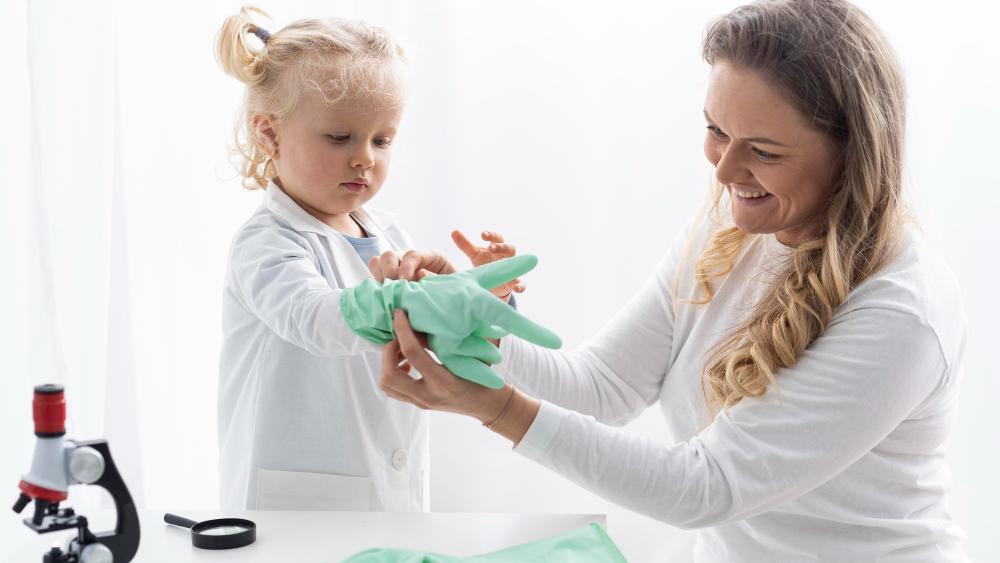
Children with complex medical needs may require regular monitoring, medication, feeding support, respiratory treatments, or help with daily activities. Managing these responsibilities at home can be challenging for parents, particularly when a child depends on ongoing clinical attention. In-Home Pediatric Nursing Care brings qualified nursing support into the family environment, helping children receive appropriate care while staying close to familiar people and routines.
What Does Pediatric Nursing at Home Involve?
Pediatric home nursing is skilled medical care provided to infants, children, and adolescents in their homes. It may be suitable for young patients who need ongoing nursing attention but can be safely cared for outside an inpatient facility.
The level of In-Home Pediatric Nursing Care depends on the child's condition and the healthcare provider's recommendations. Some children need short visits; others need extended or overnight support.
A nurse may:
-
Monitor vital signs and notice changes in a child's condition.
-
Administer prescribed medicines and treatments.
-
Manage feeding tubes and follow nutrition routines.
-
Provide wound care and monitor skin health.
-
Support respiratory equipment or tracheostomy care when appropriately trained.
-
Help with safe mobility and age-appropriate daily routines.
-
Document care and share updates with the medical team.
In-Home Pediatric Nursing Care follows an individualized clinical plan, with responsibilities and monitoring based on the child's needs.
Which Children May Benefit From Home Nursing?
A clinical team should assess whether a child's complex or long-term needs can be safely supported at home.
Children with respiratory needs
Some children need oxygen airway clearance ventilator support, or tracheostomy care. A trained nurse can manage prescribed equipment and monitor breathing.
Children needing feeding or medication support
Children who cannot eat or drink safely may use feeding tubes. Nursing support helps families follow feeding and medication instructions and watch for complications.
Children recovering after illness or surgery
Following a hospital stay, a child may still need wound care, medication, or close observation. A planned transition home can help the family continue the recommended treatment and understand what to monitor.
Children with neurological or developmental conditions
Some conditions affect movement, swallowing, communication, or seizure risk. A nurse can follow the child's care plan, record changes, and coordinate with the professionals involved in treatment.
How Home Nursing Helps Children and Families
Consistent support may improve comfort and help parents feel more confident with everyday care.
A familiar environment: Children can stay near family and familiar routines, which may ease stress. However, home is not suitable for every medical situation.
Individual attention: A nurse can follow the care plan, observe changes, and update the healthcare team.
Support for parents: Nurses can explain routines, demonstrate approved tasks, and clarify which symptoms to report. This support complements rather than replaces parents.
More manageable routines: Care can sometimes be coordinated Family Caregiver Training around rest, school, therapy, and family activities. When matched to the child's needs, In-Home Pediatric Nursing Care can make daily responsibilities easier for the family.
Choosing the Right Pediatric Nurse
Children's symptoms, communication, medication needs, and equipment can differ from those of adults. Selecting a nurse with relevant experience is therefore important.
Before services begin, ask whether the nurse:
-
Holds the required nursing license and has pediatric experience.
-
Is trained to support the child's specific condition and equipment.
-
Understands infection prevention and safe medication practices.
-
Can explain the care plan and document treatments clearly.
-
Communicates respectfully with parents and healthcare providers.
Families should also ask how the agency supervises staff, handles missed shifts, and responds to concerns. It should be clear who to contact if the child's care needs change.
Preparing the Home for Safe Care
Keep the care area clean, well-lit, and clear enough to move safely around equipment. Store supplies, medication instructions, and emergency contacts together.
Parents and nurses should review the care plan together, including medication schedules, feeding instructions, equipment use, and symptoms that require urgent attention. Ask the healthcare team to explain any task that is unclear. Never change a medicine dose, treatment, or device setting without professional direction.
In-Home Pediatric Nursing Care is not a replacement for emergency services. If a child has severe breathing difficulty, becomes unresponsive, or experiences another life-threatening symptom, seek emergency medical help immediately and follow the child's emergency plan.
Creating a Care Plan That Can Adapt
A home care plan begins with an assessment of the child's health needs and home environment. The team determines which tasks require a nurse, how often support is needed, and what caregiver training may help.
Review the plan whenever the child's condition, equipment, or treatment changes. Clear communication among family members, nurses, and clinicians keeps responsibilities understood. In-Home Pediatric Nursing Care works best when the plan is practical, current, and safety-focused.
Helping Medically Fragile Children Thrive at Home
Caring for a medically fragile child takes planning and dependable clinical guidance. Skilled nursing can help families manage treatment routines and notice changes while remains in a familiar environment. The right In-Home Pediatric Nursing Care service depends on professional assessment, the child's needs, and coordination with the medical team.
Frequently Asked Questions
1. Which children may qualify for pediatric nursing at home?
Children who need ongoing skilled nursing may qualify if their condition can be safely managed at home. A healthcare professional should assess their needs and recommend an appropriate care plan.
2. Can a pediatric nurse provide overnight support?
Some providers offer overnight or extended-hour nursing. Availability depends on the child's medical requirements, the provider's staffing, and the agreed care plan.
3. Does home nursing eliminate the need for hospital visits?
No. In-Home Pediatric Nursing Care supports day-to-day care but does not replace medical appointments, specialist reviews, or emergency treatment. Families should continue following the healthcare team's recommendations.

 English
 Arabic
 French
 Spanish
 Portuguese
 Deutsch
 Turkish
 Dutch
 Italiano
 Russian
 Romaian
 Greek