


What Should Buyers Check in a Spoon Mould Quote?
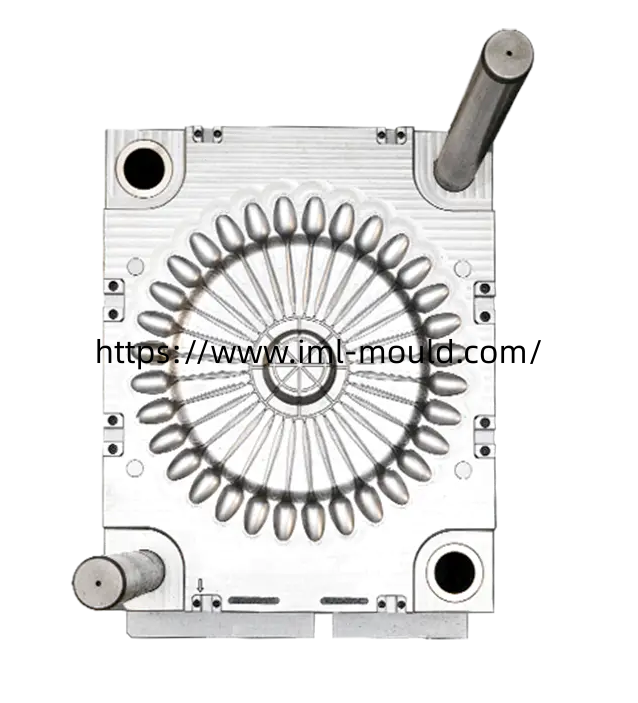
Spoon Mould purchasing involves more than comparing quotations or checking the external appearance of a tool. For importers, wholesalers, disposable tableware producers, and purchasing managers, the real task is to identify a manufacturing solution that matches the intended product, production equipment, and long-term business requirements. Before placing an order, buyers should review several technical and commercial details with the manufacturer. A clear discussion at the beginning can reduce design changes, shorten communication cycles, and make production planning easier.
Prepare Complete Product Specifications
A tooling project should begin with a clear understanding of the finished cutlery. Buyers can provide a 2D drawing, 3D model, or physical sample to help the engineering team evaluate the product structure.
Important information includes:
Overall length, width, and thickness
Bowl depth and handle dimensions
Target product weight and material
Surface finish and edge requirements
Intended use and packaging method
Expected monthly or annual production volume
These details help engineers assess whether the proposed structure is suitable for injection processing. For example, a product with a deep bowl or a long, narrow handle may require particular attention to filling, cooling, and demoulding. Sharing the intended resin grade is also important because different materials can have different flow and shrinkage characteristics.
At iml-mould, project discussions can use drawings, samples, and production targets as references for evaluating the tooling structure before manufacturing begins.
Match Cavity Quantity With Production Targets
Cavity quantity directly influences the number of parts produced in each injection cycle. However, selecting a larger cavity count does not automatically mean that a project will achieve its expected output.
Buyers should consider the following factors:
Required production quantity per shift
Available injection machine capacity
Expected cycle time
Product dimensions and projected area
Operator and automation arrangements
Available factory space and auxiliary equipment
A multi-cavity structure needs balanced filling across all cavities. If the flow differs between positions, some products may show variations in weight, appearance, or dimensions. The production team should therefore evaluate cavity balance rather than focusing only on the quantity shown in a quotation.
The product range offered by iml-mould includes 8, 16, 32, and 64-cavity configurations. Buyers can discuss the appropriate arrangement according to their product specifications, machine conditions, and output plans. A realistic capacity calculation should also leave room for machine adjustments, inspection, material changes, and routine maintenance.
Examine Steel and Base Material Options
Material selection influences machining, wear resistance, maintenance, and the expected service conditions of a production tool. Buyers should ask which steel grades are proposed for the front and rear components, as well as the base.
The selection should reflect the production volume, resin characteristics, product geometry, and maintenance plan. A quotation should clearly identify the proposed materials instead of using a general description without technical details.
For this product range, the front and rear components can be discussed with domestic or imported 2344 steel, or other materials specified by the customer. Base options include P20 and 4Cr13, with customer-specified alternatives available for project discussion.
It is also useful to ask about machining standards, component specifications, surface treatment, and the availability of replacement parts. These details help buyers understand what is included in the tooling price and how future maintenance may be arranged.
Review Runner, Cooling, and Ejection Systems
The runner system affects how molten plastic reaches each cavity. Buyers should ask the manufacturer to explain the proposed feeding method, gate position, and runner layout. Hot runner and cold runner designs have different structural features, operating requirements, and maintenance considerations.
The product range includes needle-valve and needle-point hot runner options. The suitable arrangement depends on the product design, resin, machine setup, and production objectives. Buyers should request a technical explanation of the proposed configuration rather than selecting a system based on its name alone.
Cooling and ejection deserve equal attention. An appropriate cooling layout helps manage temperature distribution and part shrinkage. The ejection mechanism should release finished products without causing deformation, surface marks, or damage to delicate edges.
During design review, ask the engineering team to explain how the system handles the bowl, handle, and other shape details. This conversation can reveal potential production issues before the tool reaches the trial stage.
Set Clear Trial and Inspection Standards
A successful production trial should provide measurable evidence that the tool can produce parts according to the agreed requirements. Buyers should establish inspection criteria before the trial rather than deciding what is acceptable after samples have been made.
A practical inspection plan may include:
Product dimensions and weight
Bowl shape and handle alignment
Surface appearance and edge condition
Flash, sink marks, and deformation
Gate marks and ejection traces
Consistency between different cavities
Cycle time under agreed machine conditions
Request samples from every cavity when evaluating a multi-cavity tool. Checking only one or two pieces may not reveal differences in filling, cooling, or ejection. Trial records, machine settings, sample measurements, and adjustment notes can also help the buyer reproduce the approved conditions after installation.
Confirm Communication and After-Sales Support
Technical support remains relevant after the production tool leaves the manufacturing facility. Before confirming an order, buyers should discuss delivery documentation, spare components, maintenance instructions, and the process for reporting technical issues.
It is also helpful to agree on project milestones, drawing approval procedures, trial schedules, and responsibilities for design modifications. Written specifications reduce misunderstandings between purchasing teams, engineers, and production departments.
When comparing suppliers, consider how clearly each one explains technical decisions and responds to project questions. A transparent process gives buyers a clearer understanding of the tooling structure, production requirements, and responsibilities throughout the project.For manufacturers planning a new disposable cutlery line or updating existing production equipment, preparing these details before ordering can make supplier communication more efficient. Buyers can review product information, cavity options, and technical requirements with iml-mould through its official website at https://www.iml-mould.com/ and provide drawings or samples for project evaluation.

 English
 Arabic
 French
 Portuguese
 Deutsch
 Turkish
 Dutch
 Italiano
 Russian
 Romaian
 Portuguese (Brazil)
 Greek