


How to Fix Frozen Pipes and Prevent Costly Plumbing Damage During Winter
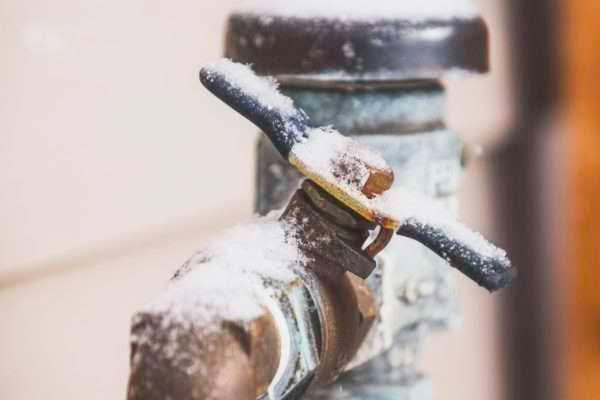
Cold weather can create serious plumbing problems for homeowners, especially when water pipes are exposed to freezing temperatures. Frozen pipes are not just an inconvenience. When water freezes inside a pipe, it expands and creates pressure that can eventually cause the pipe to crack or burst. This can lead to unexpected leaks, property damage, and expensive plumbing repairs.
Understanding how to fix frozen pipes safely can help homeowners respond quickly and reduce the risk of major plumbing problems.
Why Do Water Pipes Freeze?
Pipes located in unheated areas are especially vulnerable during cold weather. Common locations include garages, attics, crawl spaces, basements, and plumbing lines running through exterior walls.
Poor insulation, cold air entering through gaps, and extended periods of freezing temperatures can increase the risk of frozen plumbing lines.
One early warning sign is reduced water flow from a faucet. In some situations, water may stop flowing completely. Visible frost, unusual pipe bulges, and strange plumbing noises can also indicate a frozen section.
How to Fix Frozen Pipes Safely
If you suspect that a pipe has frozen, avoid rushing the thawing process. Start by turning off the main water supply to reduce the risk of flooding if the pipe has already cracked.
Next, open the faucet connected to the frozen pipe. This allows water to escape as the ice melts and helps reduce pressure inside the plumbing line.
You can use several gentle heating methods:
-
Use a hair dryer on a low or medium setting.
-
Wrap the frozen section with warm towels.
-
Apply a suitable heating pad to an accessible pipe.
-
Use a properly rated heat tape according to manufacturer instructions.
Always apply heat gradually and keep electrical appliances away from standing water.
Never use a blowtorch, open flame, or boiling water to thaw frozen pipes. These methods can cause fires or damage plumbing materials.
How to Prevent Pipes From Bursting
Prevention is often easier and less expensive than repairing a burst pipe.
Insulate exposed plumbing lines, keep indoor temperatures consistent, open cabinet doors beneath sinks during freezing weather, and disconnect outdoor garden hoses.
Allowing faucets to drip slightly during extreme cold can also help reduce the likelihood of freezing in vulnerable lines.
When Should You Call a Professional Plumber?
If a pipe is visibly cracked, leaking, located inside a wall, or buried underground, professional assistance is recommended. A plumber can identify hidden damage, safely thaw inaccessible lines, and complete necessary repairs.
For additional guidance on frozen pipe warning signs, safe thawing techniques, repair options, and winter prevention, explore this detailed resource from The Plumb Hero.

 English
 Arabic
 French
 Spanish
 Portuguese
 Deutsch
 Turkish
 Dutch
 Russian
 Romaian
 Portuguese (Brazil)
 Greek