


6 Effective Ways to Prevent Bathroom Mold and Keep Your Walls Clean
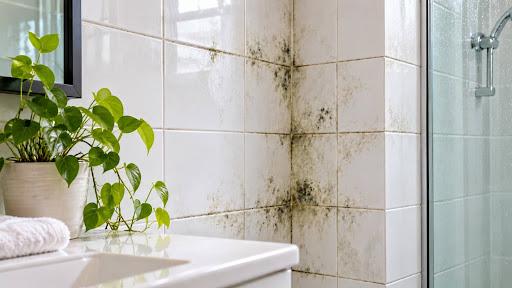
Bathroom mold is a common household problem that can affect walls, ceilings, tile grout, and areas around showers and bathtubs. Frequent showers, poor ventilation, plumbing leaks, and excess humidity create conditions that allow mold to grow. If left untreated, mold can spread across surfaces and contribute to unpleasant odors and indoor air quality concerns.
The best approach to bathroom mold prevention is to control moisture, maintain proper ventilation, and clean damp surfaces regularly. Here are six practical ways homeowners can reduce bathroom mold growth and maintain cleaner walls.
1. Improve Bathroom Ventilation
Poor ventilation is one of the main reasons bathrooms remain damp after showers. When warm, humid air stays trapped inside, moisture can collect on walls, ceilings, and other cool surfaces.
Install or maintain an exhaust fan that vents outdoors. Run it during showers and continue using it afterward to remove excess humidity. Opening a window when outdoor conditions allow can also improve airflow.
Good ventilation helps reduce condensation and makes it harder for mold to develop.
2. Fix Plumbing Leaks Immediately
Even a small plumbing leak can create enough moisture for mold to grow behind bathroom walls, beneath sinks, or around bathtubs.
Inspect the following areas regularly:
-
Pipes beneath bathroom sinks
-
Shower and bathtub connections
-
Toilet supply lines
-
Faucets and showerheads
-
Areas around bathroom fixtures
Look for water stains, peeling paint, soft drywall, and persistent dampness. Repair leaks promptly instead of covering the affected area with paint or sealant.
3. Keep Bathroom Walls and Surfaces Dry
Water droplets frequently collect on shower walls, bathroom tiles, and glass doors. When these surfaces remain wet for extended periods, mold can begin developing in grout lines and corners.
Use a squeegee or clean towel to remove excess water after showers. Pay particular attention to corners, tile joints, and areas around the bathtub.
Regularly drying these surfaces is a simple but effective step toward preventing mold on bathroom walls.
4. Clean Tile Grout and Bathroom Corners Regularly
Bathroom grout can collect soap residue, dirt, and moisture. These conditions can contribute to mold growth, particularly in areas that receive little airflow.
Clean tile grout and bathroom corners regularly using suitable cleaning products. Follow product instructions and avoid mixing cleaning chemicals.
Check the caulking around bathtubs and showers as well. Damaged or separated caulk can allow water to enter gaps behind bathroom surfaces.
5. Maintain Healthy Indoor Humidity Levels
Excess indoor humidity encourages moisture accumulation on bathroom walls and ceilings. A bathroom without proper ventilation may remain humid long after someone finishes showering.
Consider using a dehumidifier when necessary and monitor indoor humidity with a humidity meter. The U.S. Environmental Protection Agency recommends maintaining indoor relative humidity between 30% and 50% ideally, and below 60% where possible.
Controlling humidity helps reduce condensation and supports long-term bathroom mold prevention.
6. Address Existing Mold Before It Spreads
If you notice dark spots, discoloration, peeling paint, or a musty smell, investigate the affected area. Mold can grow on drywall, wood, ceiling materials, and other surfaces when moisture is present.
Small areas of mold on suitable hard surfaces may be cleaned using appropriate methods. However, porous materials that have significant mold growth may require removal and replacement.
If mold keeps returning, spreads over a large area, or appears alongside hidden water damage, professional assessment may be necessary.
For more practical guidance, read this helpful resource on how to remove mold from bathroom walls. It explains ways to address bathroom wall mold and understand when additional restoration work may be needed.
Why Timely Mold Removal Matters
Ignoring bathroom mold can allow moisture problems to continue affecting walls, ceilings, and other building materials. In some situations, visible mold may also indicate a hidden plumbing leak or water intrusion issue.
Simply painting over mold does not solve the underlying problem. The affected surfaces need appropriate cleaning or removal, and the source of moisture must be corrected.
KC Construction & Restoration provides restoration services to help property owners address building damage and related concerns. Taking action early can help prevent further deterioration and protect your home's interior.
Final Thoughts
Keeping bathroom walls free from mold requires more than occasional cleaning. Proper ventilation, regular maintenance, leak repairs, and humidity control all play important roles in preventing recurring problems.
If you notice persistent mold growth or signs of hidden moisture damage, do not ignore the warning signs. Identifying the source and choosing the right solution can help maintain a cleaner, healthier, and better-protected home.

 English
 Arabic
 French
 Spanish
 Portuguese
 Deutsch
 Turkish
 Dutch
 Italiano
 Russian
 Romaian
 Portuguese (Brazil)