


PRP Treatment for Hair and Skin: Understanding Platelet-Rich Plasma Therapy
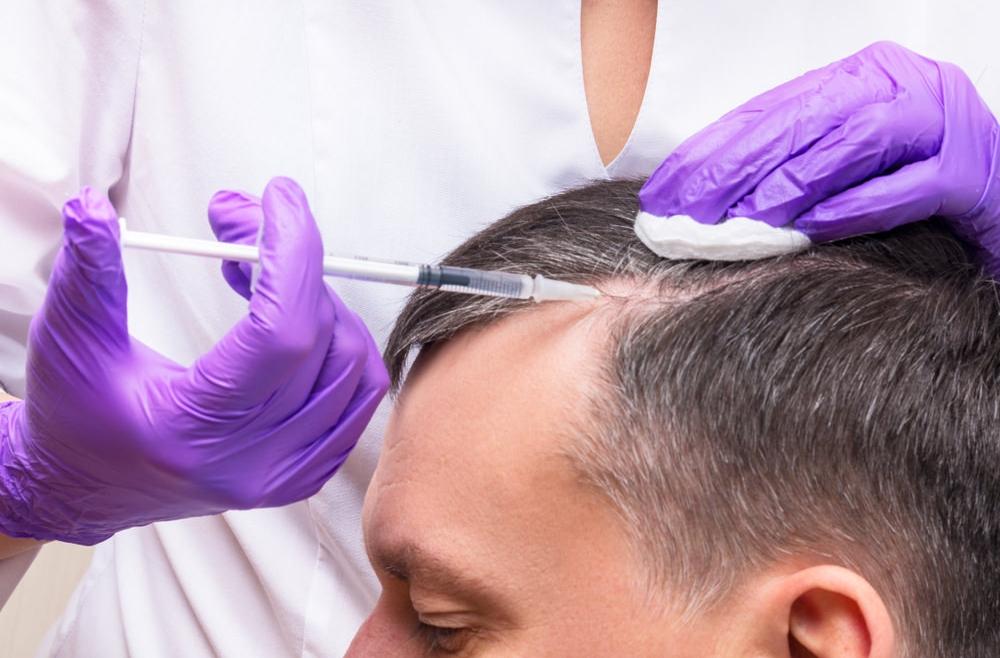
Healthy-looking skin and fuller-looking hair are common personal wellness goals. Many people explore different treatment options to address changes in hair appearance, skin texture, and overall appearance. One option that has gained attention is platelet-rich plasma (PRP) therapy.
PRP uses a concentrated portion of a person's own blood. The blood sample is processed to separate and concentrate platelets, which contain proteins and growth factors involved in the body's natural processes.
People interested in PRP treatment for hair or skin applications should understand how the procedure works, what the consultation involves, and what results they can realistically expect.
What Is Platelet-Rich Plasma Therapy?
Platelet-rich plasma is prepared from a small sample of the patient's own blood. The sample is placed in a centrifuge, which separates its components and concentrates the platelet-rich portion.
The prepared PRP is then applied to the treatment area discussed during the consultation.
Unlike treatments involving donor-derived materials, the PRP offered by Conscious Regenerative Medicine is prepared from the patient's own blood during the same visit.
How PRP Treatment for Hair Works
PRP for hair is an option that people may explore when looking for approaches to address hair-related concerns.
The treatment involves preparing platelet-rich plasma from a blood sample and applying it to the scalp area discussed with the physician.
Before treatment, a physician reviews the patient's medical history, medications, and individual goals to determine whether PRP is an appropriate option.
It is important to understand that individual results vary and PRP is not FDA-approved for hair loss.
PRP for Skin Rejuvenation
PRP is also used in certain skin applications. People interested in PRP for skin rejuvenation may explore it as an option for facial skin treatment.
The process involves preparing platelet-rich plasma from the patient's blood and applying it to the facial skin area discussed during the consultation.
A physician can explain the procedure, potential limitations, possible side effects, and whether the treatment is suitable for an individual's circumstances.
What Happens During a PRP Appointment?
The process generally involves four steps:
-
Initial Consultation: The physician reviews medical history, medications, and treatment goals.
-
Blood Collection: A small blood sample is collected from the patient's arm.
-
PRP Preparation: The sample is processed in a centrifuge to concentrate platelets.
-
Treatment Application: The prepared PRP is applied to the agreed-upon scalp or facial skin area.
Choosing the Right PRP Provider
Before considering platelet-rich plasma therapy, it is important to consult a qualified medical professional who can explain the procedure and evaluate individual suitability.
Conscious Regenerative Medicine offers physician-led PRP services for hair and skin in Alpharetta, Georgia. Dr. Truc Nguyen, MD, reviews each patient's history and goals before determining whether treatment is appropriate.
PRP may cause temporary soreness, redness, swelling, or bruising. Results vary, and PRP is not FDA-approved for hair loss or skin rejuvenation.

 English
 Arabic
 French
 Spanish
 Portuguese
 Deutsch
 Dutch
 Italiano
 Russian
 Romaian
 Portuguese (Brazil)
 Greek