


Why Early Intervention Improves Outcomes for Laser Scar Removal in Dubai
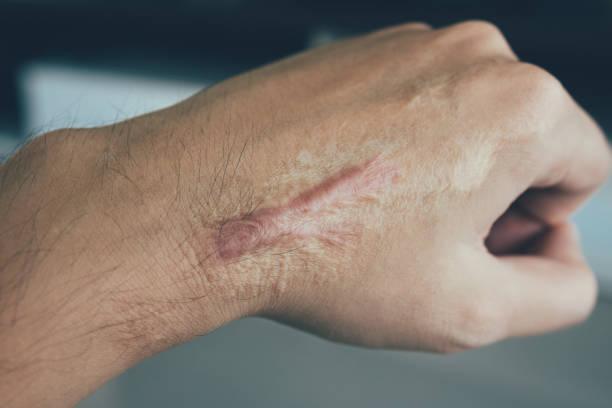
A new scar can change in appearance for months as the skin continues its natural healing process. Some marks gradually become flatter and less noticeable, while others remain raised, discoloured, or uneven. Seeking professional advice at an appropriate stage can help patients understand these changes and plan suitable care. This is particularly relevant when considering Laser Scar Removal in Dubai, where timing should be based on scar maturity and skin condition rather than urgency.
Early assessment does not mean every new scar should be treated immediately. It means identifying the concern, monitoring its development, and understanding when an intervention may be appropriate.
Why Early Scar Assessment Matters
Scar formation is part of the body's normal repair process. After an injury, the skin produces collagen and other structural components to repair damaged tissue.
During this period, a scar may change in colour, thickness, firmness, and texture. An early assessment can help distinguish expected healing from signs that may require further attention.
A clinician may identify:
-
Early raised scar development.
-
Persistent redness or pigmentation.
-
Signs of abnormal wound healing.
-
Possible infection or delayed healing.
-
Scar tightness that affects movement.
-
Features that may benefit from specialist management.
Recognising these issues early can help guide appropriate decisions.
Understanding the Stages of Scar Development
Initial Wound Healing
The first stage involves closing the damaged skin and restoring its protective barrier. The area may appear red, sensitive, swollen, or uneven.
Laser treatment is generally not the first priority while a wound remains open or incompletely healed. Appropriate wound care and medical assessment take precedence.
Early Scar Formation
Once the wound has closed, scar tissue continues to develop. The area may remain pink, firm, or slightly raised.
During this stage, clinicians can monitor the scar and discuss suitable management. Some scars improve naturally, so immediate cosmetic intervention may not be necessary.
Scar Maturation
Scar remodelling can continue for many months and sometimes longer. The scar may gradually become softer, flatter, and lighter, although the degree of change varies.
A mature scar can still be considered for treatment if it remains a concern. Its age does not automatically make it unsuitable.
How Early Assessment Supports Laser Scar Removal in Dubai
Identifying the Right Treatment Window
A clinician evaluates whether the skin is ready for a laser procedure. Treatment timing depends on the type of scar, wound healing, and proposed technology.
An early consultation may lead to monitoring first, followed by treatment once the skin is suitable.
Recognising Scars That Need Different Management
Some scars require a treatment strategy beyond resurfacing. For example, a growing keloid may need specialist management, while a scar causing restricted movement may require a different clinical pathway.
Early recognition helps avoid relying on a procedure that does not address the underlying concern.
Planning for Pigmentation Risk
Inflammation and injury can leave dark or uneven marks, particularly in people prone to post-inflammatory hyperpigmentation.
An assessment can distinguish pigment changes from structural scar tissue and help identify a suitable approach.
Establishing Realistic Treatment Goals
Early discussion gives patients time to understand what may improve naturally and what could require treatment.
This can prevent premature decisions based on temporary redness or swelling.
When Early Treatment May Not Be Appropriate
Early consultation and early treatment are not the same thing. Some circumstances require the skin to heal further before a cosmetic procedure is considered.
Treatment may need to be postponed if:
-
The wound is still open.
-
There is an active infection.
-
The skin is significantly inflamed.
-
The area has recently been sunburned.
-
The scar is still changing and needs monitoring.
-
The proposed procedure could interfere with healing.
A clinician should explain whether observation, medical treatment, or a later procedure is the most appropriate option.
Different Scars Require Different Timing
Acne Scars
Acne-related scars should be assessed once active inflammation is controlled. Treating ongoing acne and preventing new lesions may be important before addressing established scar depressions.
Surgical Scars
Surgical scars need time to heal. Their appearance can change as the incision matures, so the clinician should consider the original operation, wound healing, and any complications.
Burn and Injury Scars
Burn scars may involve changes in texture, pigmentation, thickness, or movement. Extensive injuries and scars associated with tightness need appropriate specialist assessment.
Raised Scars and Keloids
A scar that continues to grow, itch, or become uncomfortable should be assessed rather than left without review. Keloids may require early specialist management because recurrence can be a concern.
What Patients Can Do While a Scar Heals
During the natural healing period, patients should follow the instructions provided by their treating professional.
Depending on the wound and its stage of recovery, helpful measures may include:
-
Keeping the area clean as directed.
-
Avoiding picking, scratching, or unnecessary friction.
-
Protecting healed skin from excessive sunlight.
-
Using recommended moisturising or scar-care products.
-
Attending medical reviews if the scar changes unexpectedly.
-
Seeking advice about persistent pain, itching, or restricted movement.
Do not apply active skincare products or begin scar treatments on an open wound without professional guidance.
Questions to Ask During an Early Consultation
A consultation can help clarify the best next step, even if treatment is not recommended immediately.
Consider asking:
-
Is my wound fully healed?
-
Is this a normal developing scar or a raised scar condition?
-
Should I monitor it before considering laser treatment?
-
What signs would suggest that further assessment is needed?
-
Which treatment options may be appropriate later?
-
How can I reduce avoidable irritation or pigmentation?
Clinic Note
Early assessment is valuable because it helps identify scar type, healing stage, and potential complications. However, early treatment is not always appropriate. The skin must be sufficiently healed, and the timing of any laser procedure should be determined by a qualified clinician.
Frequently Asked Questions
Should I treat a scar as soon as it appears?
Not necessarily. A new wound needs to heal first, and some scars improve naturally as they mature. Professional assessment can help determine the appropriate timing.
Can an old scar still benefit from laser treatment?
Some mature scars may respond to selected procedures. Suitability depends on scar structure, skin condition, and treatment goals.
Does early assessment prevent keloids?
Assessment cannot guarantee prevention, but recognising a tendency toward abnormal scarring can help guide timely clinical management.
Can laser treatment be performed on an open wound?
Cosmetic scar resurfacing is generally not performed on an open or incompletely healed wound. The clinician should assess healing before considering treatment.
Is early intervention always better?
Early evaluation can be helpful, but the best treatment timing varies. Acting too soon may be inappropriate for skin that has not fully healed.
Arrange a Scar Assessment at Tajmeels Clinic
Understanding how a scar develops can help patients make better decisions about treatment timing. A professional assessment can distinguish normal healing from concerns that may require additional management.
At Tajmeels Clinic, patients can discuss developing or established scars and ask about suitable options for Laser Scar Removal in Dubai. The clinical team can help explain when treatment may be appropriate and what outcomes are realistic.

 English
 Arabic
 French
 Spanish
 Portuguese
 Deutsch
 Turkish
 Dutch
 Italiano
 Russian
 Portuguese (Brazil)
 Greek