


Loft Insulation Birmingham: Choosing the Right Insulation Material for Your Home
When most people picture loft insulation, they imagine yellow rolls laid between the joists. In reality, there are several materials to choose from, and each suits different lofts, budgets and plans for the space. Choosing well is the first step in any loft insulation Birmingham project, because the material affects warmth, storage options and how easy the loft is to use later.
This guide compares the most common materials, explains where each works best, and highlights the points to consider before you decide.
Why the Material Matters
All insulation works by slowing the movement of heat, but materials do this at different rates. Some need to be laid thickly to perform well, while others achieve similar results in a thinner layer.
Thickness and Performance
The recommended depth of 270mm applies specifically to mineral wool. Higher-performing materials can reach a similar level of insulation with less thickness, which matters when space is limited.
How You Plan to Use the Loft
If you only need warmth, a simple layer across the joists may be enough. If you also want storage, the material and the floor above it need to be planned together, so the insulation is not squashed.
Common Materials Compared
The table below gives a broad overview of the most common options for lofts.
| Material | Main strengths | Best suited to |
|---|---|---|
| Mineral wool rolls | Widely available and straightforward to lay | Most standard lofts |
| Rigid insulation boards | High performance in a thinner layer | Lofts with limited depth or between rafters |
| Sheep's wool | Natural material that is pleasant to handle | Homeowners who prefer natural products |
| Loose-fill insulation | Fills awkward gaps and irregular spaces | Lofts with uneven joists or hard-to-reach areas |
Mineral Wool Rolls
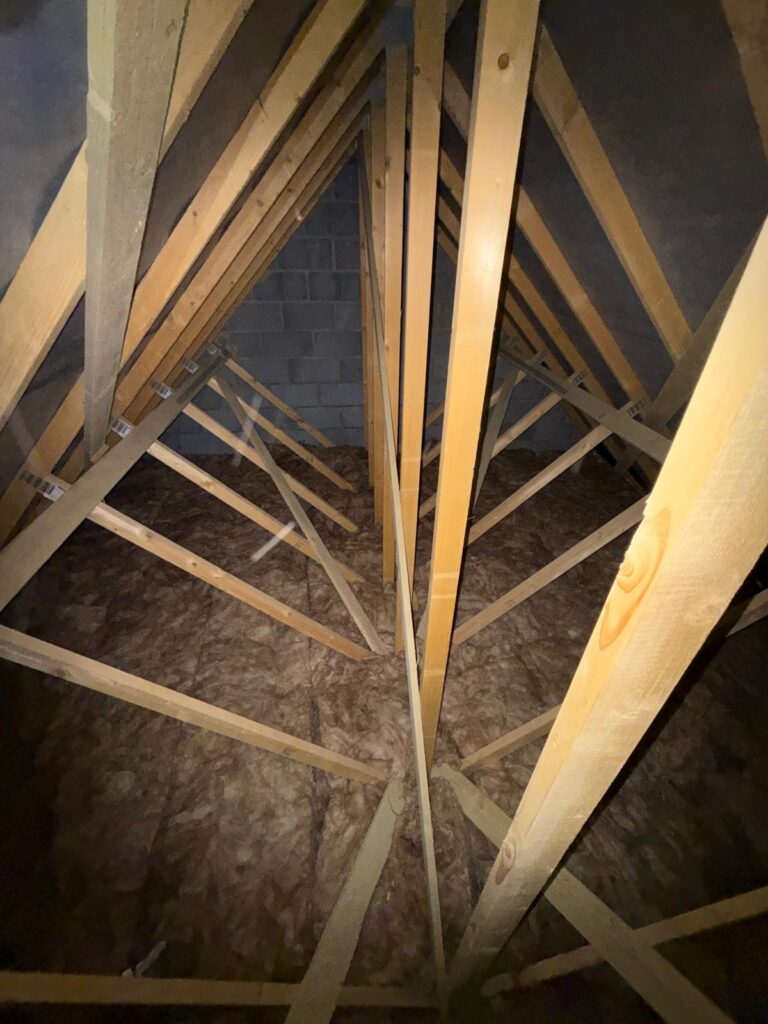
Glass wool and rock wool rolls are the most common choice in UK lofts. They are laid in two layers: the first between the joists, and the second across them to cover the timber and reduce heat loss.
Advantages
Mineral wool is widely available, simple to cut and quick to install across large, open lofts. It also offers good sound insulation, which can help reduce noise from rain or traffic.
Points to Consider
The fibres can irritate skin, eyes and lungs, so protective clothing and a mask are essential during installation. In addition, mineral wool must not be compressed by boards or stored items, or it will lose much of its effectiveness.
Rigid Insulation Boards
Rigid boards are made from high-performance foam materials. Because they insulate well in a thinner layer, they are often used where depth is limited, such as between rafters or under flooring.
When Boards Make Sense
Boards are useful when converting a loft into a room, where insulation often runs along the roof slope instead of the floor. Some products are bonded to flooring boards, which can suit storage lofts.
Things to Check
Boards must be cut accurately and sealed at the joints to avoid gaps. A professional installer will make sure ventilation is maintained where needed.
Natural Insulation Materials
Sheep's wool and other natural products appeal to homeowners who prefer materials with fewer synthetic components. Sheep's wool is pleasant to handle and does not irritate the skin in the way mineral wool can.
However, natural materials usually cost more than mineral wool and may need treatment to protect against pests. As with any material, check the thickness needed to reach a good level of performance.
Loose-Fill Insulation
Loose-fill materials are poured or blown between the joists. They are especially useful in lofts with irregular joist spacing, awkward corners or obstructions that make laying rolls difficult.
Because loose material can move, it is less suited to lofts with draughts or regular foot traffic. Your installer can advise whether it is the right choice for your roof space.
A Word About Spray Foam
Spray foam is sometimes marketed as a quick solution, particularly when sprayed onto the underside of the roof. However, it can make roof timbers difficult to inspect and may trap moisture if applied in the wrong situation. Some lenders and surveyors have raised concerns about it, which can complicate selling or remortgaging. If you are considering spray foam, get independent advice first and make sure you understand the implications.
Matching the Material to Your Loft
Several factors will guide your decision. Experienced loft insulation Birmingham installers will consider each of them during a survey:
- The depth and condition of any existing insulation
- Whether you want to use the loft for storage
- Any plans for a future loft conversion
- The spacing and condition of the joists
- Ventilation and any signs of damp
Insulation and Storage Together
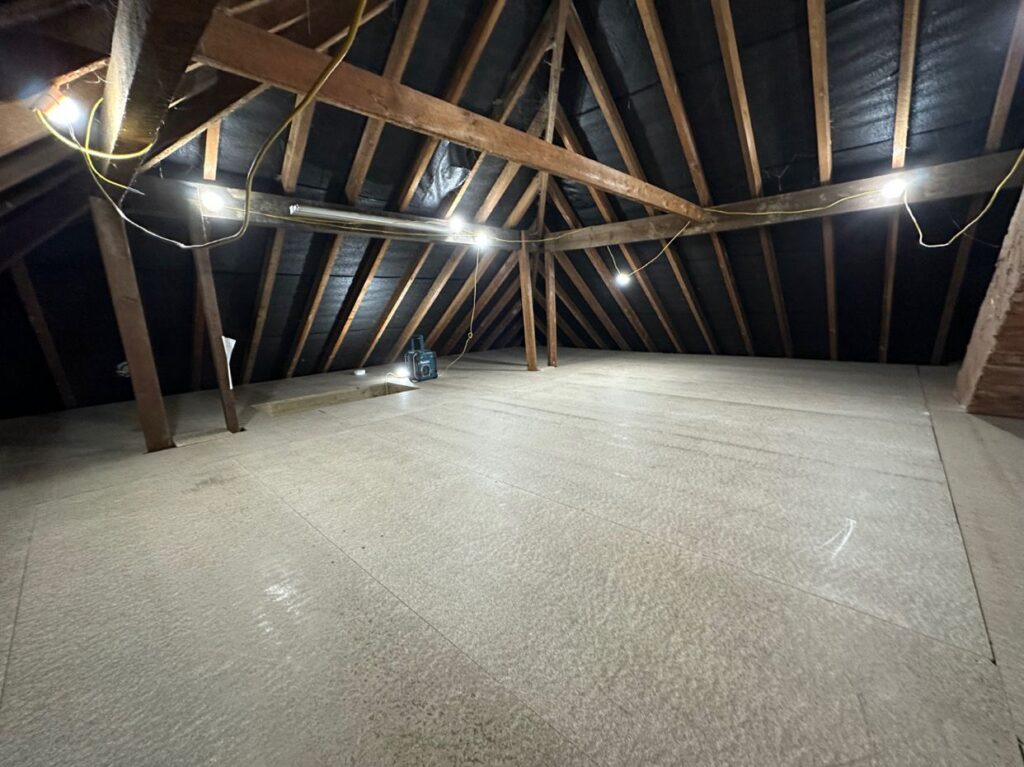
If you plan to store items in the loft, combining mineral wool with a raised floor is a popular solution. Supports lift the boards clear of the insulation, so it keeps its full depth while giving you a stable surface above.
Planning for a Future Conversion
If a loft conversion is likely within a few years, discuss this with your installer. The insulation strategy for a habitable room is different, as it usually follows the roof slope rather than the floor.
Common Mistakes When Choosing Insulation
A few mistakes come up again and again, and they can undo much of the benefit of new insulation:
- Choosing on price alone: The cheapest option is not always the best fit for your loft.
- Ignoring compression: Boards laid directly on top squash the material.
- Blocking ventilation: Pushing insulation into the eaves can lead to damp.
- Leaving gaps: Missing areas around hatches and downlights let heat escape.
- Forgetting pipes and tanks: These need lagging once the loft becomes colder.
Why Professional Installation Helps
Laying insulation looks simple, but getting the details right makes a real difference. A professional loft insulation Birmingham service starts with a free survey to check depth, condition and any obstacles, followed by a fixed quote. The team then lays the material evenly, works safely around cables and lights, keeps the eaves clear and removes all waste.
Insulation can also be fitted around existing raised loft boards, so you do not always need to remove your storage floor. When comparing loft insulation Birmingham quotes, ask which material each installer recommends and why.
Frequently Asked Questions
What is the most common loft insulation material?
Mineral wool rolls are the most common choice in UK lofts, laid between and across the joists.
How thick should mineral wool insulation be?
The recommended depth for mineral wool is 270mm.
Can I mix different insulation materials?
Yes, in some cases. For example, rolls can top up existing insulation, while boards may be used in specific areas. Your installer will advise.
Is natural insulation better?
It depends on your priorities. Natural materials are pleasant to handle but often cost more, so compare performance and price.
Do I need planning permission for loft insulation?
No. Insulating a loft does not normally need planning permission.
Final Thoughts
The right insulation material depends on your loft, your budget and how you plan to use the space. By considering storage, ventilation and future plans together, you can choose a solution that keeps your home warm for years.
If you would like expert guidance, FIXIT Renovation offers loft insulation Birmingham homeowners can book with a free survey and a fixed, no-obligation quote.

 English
 Arabic
 French
 Spanish
 Portuguese
 Deutsch
 Turkish
 Dutch
 Russian
 Romaian
 Portuguese (Brazil)
 Greek