


Electrical Repair in New Britain, CT: What Homeowners Should Know
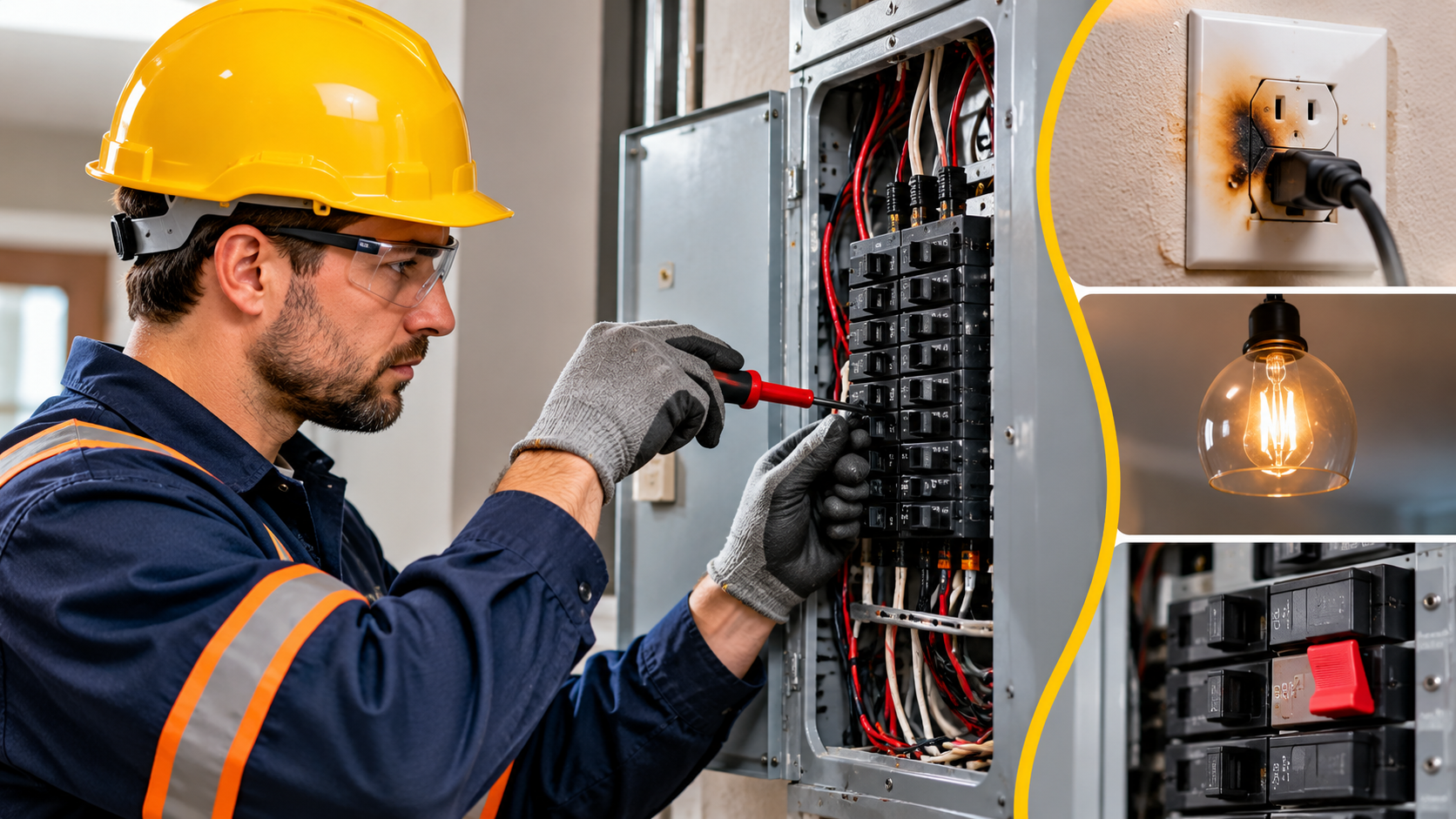
Your home's electrical system powers the appliances, lighting, heating equipment, security devices and everyday technology you rely on. When something stops working properly, the cause may be a minor component failure or a problem that needs a more detailed electrical inspection.
For homeowners, arranging an electrical repair involves more than finding someone to fix the immediate issue. You also need to understand what information to provide, whether the problem requires a repair or upgrade, and what to check before hiring an electrical contractor.
If you own a property in New Britain, Connecticut, this guide explains how to prepare for electrical work, plan repairs during renovations, understand local permit requirements and choose an appropriately licensed electrician.
When Does Your Home Need Professional Electrical Repair?
Some electrical problems are easy to notice, while others develop gradually. You do not need to identify the technical cause yourself, but recognising warning signs can help you decide when to arrange professional assistance.
Consider contacting an electrician if you experience:
-
Repeated breaker trips: A circuit breaker that repeatedly switches off may indicate an overloaded circuit, faulty appliance, damaged wiring or another electrical fault.
-
Non-working outlets: An outlet may stop working because of a faulty receptacle, wiring issue or tripped GFCI protective device.
-
Flickering lights: Persistent flickering may involve a lighting fixture, dimmer, circuit connection or wider electrical supply problem.
-
Warm switches or burning smells: Unusual heat, discolouration, buzzing or burning odours can indicate overheating and should be treated seriously.
-
Unexpected power loss: If your neighbours still have electricity but your home does not, the problem may involve your property's electrical installation.
Do not repeatedly reset a breaker that trips again. Stop using affected equipment and arrange an inspection. If there is smoke, fire or active sparking, leave the affected area and contact emergency services.
What Should Homeowners Check Before Calling an Electrician?
You do not need to diagnose an electrical fault before booking a service. However, collecting a few details can help the electrician understand the situation and prepare for the initial assessment.
1. Identify Which Areas Are Affected
Establish whether the issue affects one outlet, a single room, several rooms, the lighting system or the entire property.
For example, if several outlets in one room have stopped working, mention that when arranging the appointment. It helps communicate the extent of the problem without requiring you to inspect the wiring.
2. Record When the Problem Started
Think about whether the fault appeared suddenly or developed over time.
Consider:
-
Did the problem start after using a particular appliance?
-
Did it begin following a renovation or electrical installation?
-
Has the breaker been tripping repeatedly?
-
Does the issue happen at a particular time or when certain equipment operates?
These observations can help the electrician narrow down possible causes.
3. List Recently Installed Equipment
New appliances, electric heating equipment, EV chargers and other high-demand devices can change your property's electrical requirements.
If you recently installed equipment or plan to add something that needs a dedicated circuit, mention it when booking an inspection.
4. Take Photographs of Visible Damage
Photographs of discoloured outlet covers, damaged switches or other visible problems can help explain what you have noticed.
Only take photographs from a safe distance. Never remove covers, touch damaged components or approach equipment that is smoking, sparking or overheating.
5. Explain Any Immediate Safety Concerns
Tell the electrician if you have noticed burning smells, exposed wiring, water near electrical equipment or unusual heat.
These details help the service provider understand the nature and urgency of the problem.
Electrical Repair vs Electrical Upgrade: What Is the Difference?
A recurring electrical problem does not automatically mean that your entire electrical system needs replacing.
An electrical repair addresses a fault in an existing component, connection or circuit. An electrical upgrade improves or changes part of the installation to meet additional requirements or resolve limitations.
|
Situation |
Possible work |
|
One damaged outlet |
Outlet replacement or connection repair |
|
Repeated breaker trips |
Circuit troubleshooting and appropriate repair |
|
Faulty light switch |
Switch replacement |
|
Damaged wiring |
Wiring repair or replacement |
|
Insufficient panel capacity |
Electrical panel assessment and possible upgrade |
|
New EV charger |
Dedicated circuit and charger installation assessment |
|
Home renovation |
Additional circuits, outlets, lighting or wiring changes |
The correct solution depends on the condition of the existing installation and the reason the problem developed.
A qualified electrician should inspect the system before recommending extensive replacement work. This helps homeowners avoid paying for an upgrade when a more targeted repair may be sufficient.
When Should You Consider an Electrical Panel Upgrade?
Your electrical panel distributes electricity to the circuits throughout your home. Its condition and available capacity affect how well the property can support existing appliances and additional electrical equipment.
An electrical panel assessment may be worthwhile when:
-
You are renovating or extending your home.
-
You plan to install an EV charger.
-
You are adding major electrical appliances.
-
You need additional circuits.
-
The existing panel has insufficient capacity.
-
Your electrical installation requires wider improvements.
Can You Add an EV Charger Without Upgrading the Panel?
Not every EV charger installation requires a new electrical panel.
The decision depends on the existing electrical service capacity, available circuit space, calculated electrical load and the charger's specifications.
An electrician can assess the installation and determine whether an additional circuit can be accommodated or whether a panel or service upgrade is necessary.
NAIT Electrical Services LLC lists EV charger installations and electrical panel upgrades among its services. Homeowners can discuss their existing electrical setup before deciding which work may be required.
Planning Electrical Repairs During Home Renovations
A home renovation is a useful opportunity to review electrical requirements before walls, ceilings and finished surfaces are closed.
Planning these details early can help reduce the need for disruptive changes later.
Kitchen Improvements
Modern kitchens often have several appliances operating at the same time. A renovation may involve additional outlets, appliance circuits, lighting changes or new electrical connections.
Discuss the planned appliances and kitchen layout with your electrician before cabinets and other fixtures are installed.
Bathroom Electrical Work
Bathrooms require particular attention because water and electricity create additional safety risks.
Electrical installations must account for appropriate protective devices, equipment positioning and applicable code requirements. Have the proposed layout assessed before installation begins.
Basement Finishing
Before finishing basement walls, consider where you will need outlets, lighting, switches and other electrical equipment.
It is easier to plan wiring routes and electrical positions before drywall and other finished surfaces are installed.
Adding More Lighting
Recessed lights, exterior fixtures and additional room lighting may require new connections or changes to existing circuits.
Discuss the proposed lighting arrangement before purchasing fixtures or beginning installation.
Residential and Commercial Electrical Services: Why the Difference Matters
The electrical requirements of a private home are different from those of an office, retail property or industrial facility.
A residential electrician in New Britain, CT, may handle household requirements such as:
-
Outlet and switch repairs.
-
Lighting installation.
-
Circuit breaker troubleshooting.
-
Wiring repairs.
-
Electrical panel upgrades.
-
Generator installation.
-
EV charger installation.
A commercial electrician in New Britain, CT, may work with business requirements such as lighting systems, electrical distribution, equipment connections, circuit installation and property upgrades.
Commercial properties can have different operating schedules, equipment demands and project requirements. The scope of work should be assessed according to the building and its intended use.
If your property contains specialised machinery or industrial equipment, ask whether the electrician has relevant experience with that type of installation.
How to Choose an Electrician in New Britain, CT
Finding someone who offers electrical services is only the first step. You should also establish whether the individual holds the appropriate Connecticut licence for the work involved.
Consider these five factors before hiring an electrical contractor.
1. Verify the Electrician's Connecticut Licence
Connecticut's Department of Consumer Protection (DCP) licenses individual electricians, not electrical companies.
The state has different licence categories for contractors and journeypersons. For example:
-
E-1: Unlimited electrical contractor.
-
E-2: Unlimited electrical journeyperson who works under a properly licensed contractor.
Only appropriately licensed contractors can obtain electrical permits and sign electrical work contracts.
2. Check Whether the Licence Covers Your Project
Different electrical licence categories have different scopes of work.
If you need a panel upgrade, new electrical installation or specialised equipment connection, confirm that the contractor holds the appropriate licence for the proposed work.
Do not assume that every electrician is authorised to perform every type of electrical service.
3. Ask for a Written Estimate
A written estimate should explain the expected work, materials, labour and any additional costs that may arise.
If the electrician needs to inspect the system before providing a final price, ask what the initial assessment includes.
Compare estimates based on the proposed work and materials rather than choosing solely by the lowest price.
4. Discuss Permits and Inspections
Certain electrical projects require permits and inspections. The requirements depend on the type and scope of the work.
Ask the contractor which approvals may be necessary, who will submit the application and whether an inspection is required before the work is considered complete.
5. Look for Relevant Experience
An electrician experienced in household troubleshooting may not necessarily be the right choice for a complex commercial installation.
Explain your project clearly and ask about previous experience with similar electrical systems.
Electrical Permits and Inspections in New Britain, CT
Before starting certain electrical projects, homeowners should confirm the local permit requirements.
The City of New Britain's Building Code Enforcement Division is responsible for accepting electrical permit applications, carrying out relevant plan reviews, issuing permits and conducting inspections associated with permitted work.
Depending on the project, electrical permits may be relevant to installations, alterations and upgrades.
Before starting:
-
Describe the proposed electrical work.
-
Confirm whether an electrical permit is required.
-
Ask who will submit the application.
-
Establish whether an inspection is necessary.
-
Keep relevant approval and inspection records.
You can find local information through the City of New Britain Building Code Enforcement Division.
Do not assume a permit is unnecessary simply because the work appears small. Confirm the requirements with the local Building Department or your electrical contractor before proceeding.
What Electrical Services Can NAIT Electrical Services LLC Provide?
Homeowners looking for electrical services in New Britain, CT, may need anything from an outlet repair to a larger installation or electrical upgrade.
NAIT Electrical Services LLC serves residential, commercial and industrial properties in New Britain and surrounding Central Connecticut communities.
Its listed services include:
-
Electrical repair and troubleshooting.
-
Wiring and short circuit repairs.
-
Breaker and fuse repairs.
-
Outlet and switch repairs.
-
Power outage troubleshooting.
-
Electrical panel upgrades.
-
Generator installation.
-
EV charger installation.
-
Lighting and electrical installations.
-
Fire alarm and security camera installations.
The company states that it has more than 22 years of electrical experience and offers 24/7 emergency electrical service.
If you need electrical work for your home or business, you can explain the problem and discuss the required service before requesting an estimate.
Frequently Asked Questions
1. How do I know whether my home's electrical problem needs immediate attention?
Smoke, burning smells, sparks, exposed wiring, unusually hot electrical components and water contacting electrical equipment should be treated as serious warning signs. Keep away from the affected area, isolate power only if it is safe to do so, and contact emergency services if there is smoke or fire. Other recurring electrical faults should also be professionally inspected rather than ignored.
2. Should I replace my electrical panel if my breaker keeps tripping?
Not necessarily. A tripping breaker may result from an overloaded circuit, faulty appliance, damaged wiring or defective breaker. A professional should identify the cause before recommending a panel replacement. An upgrade is appropriate when the panel's condition, capacity or other requirements justify it.
3. Can I install more electrical outlets during a home renovation?
Yes, additional outlets can be included in a renovation, provided the existing electrical system can support the proposed changes. The electrician should assess circuit capacity, outlet positioning, wiring requirements and applicable code provisions before installation.
4. How can I verify whether an electrician is licensed in Connecticut?
Use the Connecticut Department of Consumer Protection's eLicense portal at elicense.ct.gov. You can search using the electrician's name or licence number and check the credential status. Make sure the licence category is appropriate for the work being performed.
5. Do I need an electrical inspection before buying an older home in New Britain?
A general property inspection may identify visible electrical concerns, but it is not necessarily a detailed evaluation of the complete electrical installation. If the property has an older panel, outdated wiring, damaged outlets or a history of electrical problems, consider arranging an assessment by a properly licensed electrician before completing the purchase.
Final Thoughts
Electrical work should be planned around the actual needs and condition of your home. A faulty outlet may require a local repair, while a renovation, EV charger installation or increased electrical demand may justify a wider assessment of the existing system.
Before hiring an electrician, identify the symptoms, explain any recent changes to your electrical usage, verify the individual's Connecticut licence and confirm whether permits are required.
Taking these steps helps homeowners make informed decisions about electrical repair, maintenance and upgrades while keeping safety at the centre of every project.

 English
 Arabic
 Spanish
 Portuguese
 Deutsch
 Turkish
 Dutch
 Italiano
 Russian
 Romaian
 Portuguese (Brazil)
 Greek