


How to Keep a Brooklyn Apartment Clean: A Practical Guide
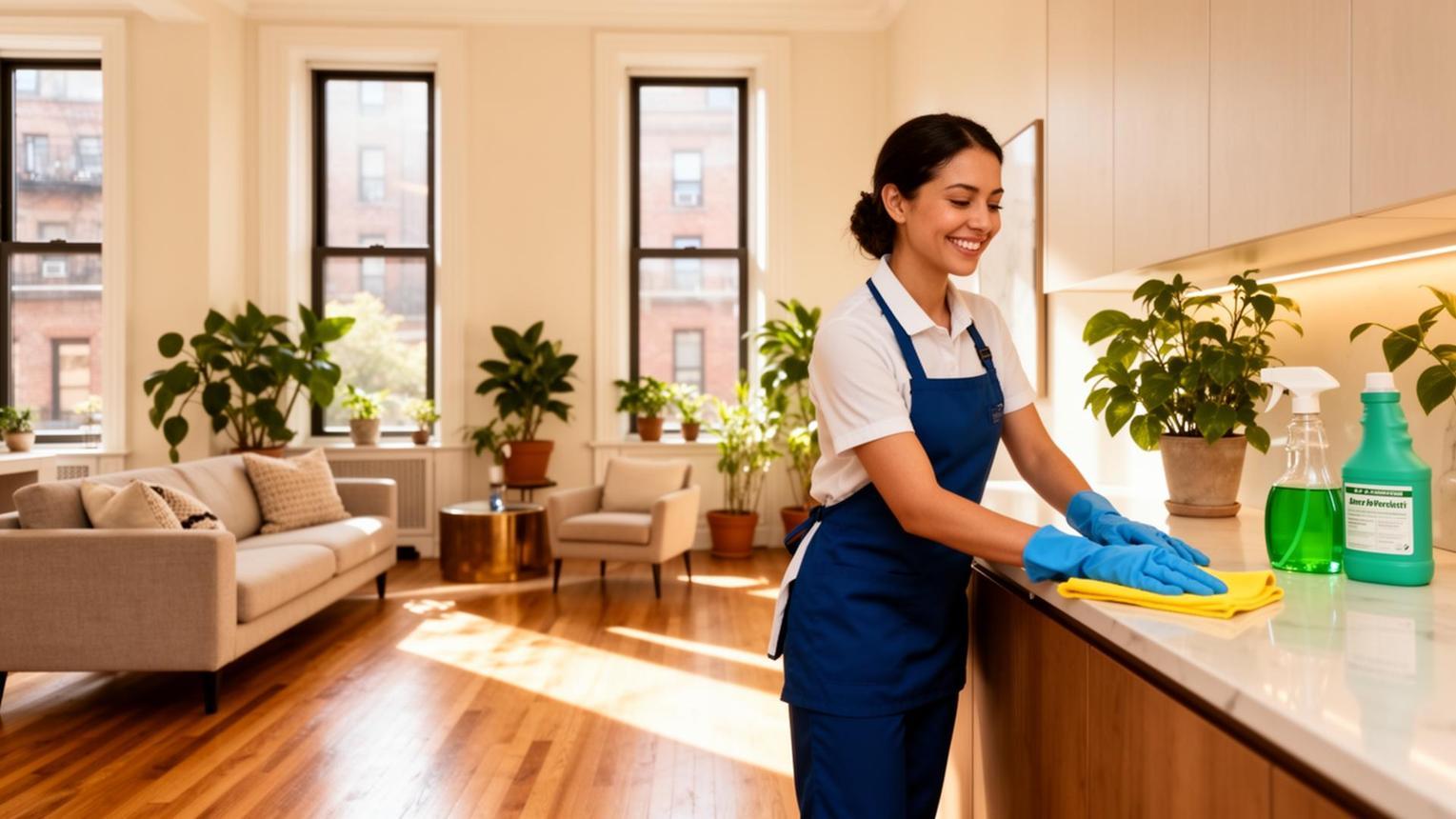
Living in a Brooklyn apartment comes with its own cleaning challenges. Limited storage, busy streets, shared building entrances, small kitchens, and frequent foot traffic can make it difficult to keep your living space consistently clean. Even when you tidy up regularly, dust, cooking residue, bathroom moisture, and dirt brought in from outside can quickly build up.
The solution is not necessarily spending more hours cleaning. It is understanding which areas need frequent attention, choosing practical cleaning methods, and creating a routine that works with your apartment's layout and daily activities.
Whether you rent a studio, share a two-bedroom apartment, or live in a family-sized property, a residential cleaning service brooklyn residents can arrange may help with tasks that are difficult to manage around a busy schedule.
1. Stop Outside Dirt at Your Apartment Entrance
One of the easiest ways to reduce indoor dirt is to control what enters your apartment.
Shoes can bring street dust, soil, moisture, and other debris onto floors. During wet or snowy weather, this problem becomes more noticeable because footwear can leave water marks and muddy footprints.
Create a simple entrance cleaning routine:
-
Place a durable doormat outside or just inside the entrance.
-
Keep a shoe rack near the door.
-
Store a small tray for wet footwear.
-
Wipe visible dirt from the entrance floor regularly.
-
Clean the area around the shoe rack to prevent dust accumulation.
-
Keep bags, umbrellas, and outdoor equipment organised.
If you have limited hallway space, use vertical hooks and a narrow shoe organiser instead of bulky storage furniture.
Practical tip: Vacuum or sweep the entrance more frequently than less-used rooms. Removing dirt here helps prevent it from spreading into bedrooms and living areas.
2. Keep Small Apartments Clean Without Creating Clutter
Small apartments can become difficult to maintain when too many belongings occupy the available surfaces. Cleaning takes longer because you must move items before reaching countertops, shelves, and floors.
Instead of focusing only on removing dirt, make the apartment easier to clean.
Use Storage That Reduces Surface Clutter
Consider storage solutions such as:
-
Under-bed containers for seasonal clothing.
-
Wall-mounted shelves for frequently used items.
-
Drawer organisers for kitchen utensils.
-
Storage baskets for everyday accessories.
-
Multi-purpose furniture with built-in storage.
Avoid filling every available shelf or cabinet. Leaving some free space makes it easier to access belongings and clean surrounding surfaces.
Follow the One-Minute Reset
Before leaving a room, spend a minute returning frequently used items to their proper places.
For example, put away remote controls, return kitchen utensils to drawers, place laundry in a basket, and remove cups from bedside tables.
These small actions reduce the amount of organising required during your next cleaning session.
3. Prevent Kitchen Grease and Food Residue From Building Up
A small apartment kitchen can become difficult to clean when cooking residue remains on surfaces for several days. Grease can collect around stovetops, cabinet handles, backsplashes, and nearby appliances.
A practical kitchen routine should include:
After cooking
-
Wipe suitable countertops after food preparation.
-
Clean visible spills from the stovetop once it is safe to do so.
-
Wash or load used dishes.
-
Remove food crumbs from the floor.
-
Clean the sink and faucet.
Weekly
-
Wipe cabinet fronts near cooking areas.
-
Clean appliance handles.
-
Check refrigerator shelves for spills.
-
Empty and clean the trash container.
-
Clean the backsplash and other grease-prone surfaces.
Do not use abrasive products on delicate finishes. Always check the appliance or surface manufacturer's cleaning instructions before applying chemicals.
If grease has accumulated over time, ordinary wiping may not be enough. A more detailed kitchen cleaning appointment can address neglected surfaces and hard-to-reach areas.
4. Manage Bathroom Moisture Before It Becomes a Bigger Problem
Bathrooms in apartments often have limited ventilation. After showers, moisture can remain on mirrors, tiles, shower doors, and other surfaces.
Regular maintenance helps control ordinary soap residue and surface moisture.
Try these habits:
-
Run the bathroom exhaust fan when available.
-
Keep the shower area ventilated after use.
-
Remove excess water from suitable shower surfaces.
-
Wipe visible water marks from faucets and fixtures.
-
Wash bath mats regularly according to their care instructions.
-
Clean bathroom floors and frequently touched surfaces.
Pay attention to recurring damp patches, water stains, peeling paint, persistent musty smells, and visible mould.
Important: Cleaning cannot solve a leaking pipe, failed ventilation system, or moisture problem inside a wall. If you notice persistent dampness or mould, document the issue and contact your landlord or building management for appropriate inspection and repairs.
New York City provides guidance on indoor allergen hazards, including mould, pests, and the building conditions that can contribute to them. <Cite refs={["turn644886search3","turn644886search13"]}/>
5. Create a Cleaning Routine That Fits Your Schedule
Cleaning becomes more manageable when tasks are divided according to how frequently they are needed.
Rather than leaving everything until the weekend, create a routine with short daily tasks and a few more detailed weekly activities.
|
Frequency |
Cleaning tasks |
|
Daily |
Wash dishes, wipe kitchen counters, manage rubbish, tidy frequently used areas |
|
Every 2–3 days |
Sweep high-traffic floors, clean visible bathroom residue, organise clutter |
|
Weekly |
Vacuum carpets, mop floors, clean bathroom fixtures, dust furniture |
|
Monthly |
Clean baseboards, detailed cabinet surfaces, window sills, and neglected corners |
|
Seasonally |
Review storage, clean selected upholstery, and address accumulated dirt in less-used spaces |
Adjust the schedule according to the number of people living in your apartment, pets, cooking habits, and available time.
For example, a household with two pets may need more frequent vacuuming than a single occupant living in a studio.
6. Keep Pet Hair, Dust, and Upholstery Under Control
Pets can make an apartment feel untidy even when floors and countertops are clean. Hair collects on sofas, rugs, bedding, and corners, while dust can accumulate around furniture.
A few practical steps can help:
-
Vacuum rugs and carpets regularly.
-
Use a suitable upholstery attachment for furniture.
-
Wash pet bedding according to its care instructions.
-
Clean food and water bowls frequently.
-
Keep a washable mat under pet feeding areas.
-
Remove visible hair from frequently used seating.
For households sensitive to dust or pet allergens, consider a vacuum cleaner with an appropriate filtration system. Clean filters and replace them according to the manufacturer's instructions.
If upholstery has deep-seated dirt or requires specialist treatment, confirm whether the cleaning provider offers that service separately. Standard apartment cleaning does not automatically include professional fabric or carpet treatment.
7. Understand the Difference Between Cleaning and Building Maintenance
Not every unpleasant smell, stain, or dirty surface can be resolved through household cleaning.
This distinction is particularly important for renters.
|
Problem |
Appropriate next step |
|
Dust on furniture |
Routine dusting |
|
Grease on kitchen surfaces |
Suitable degreasing and surface cleaning |
|
Soap residue on shower tiles |
Bathroom cleaning |
|
Persistent damp patches |
Investigate the moisture source |
|
Recurring mould |
Report the condition and arrange appropriate assessment |
|
Signs of rodents or cockroaches |
Contact building management and seek appropriate pest control |
|
Water leaking under a sink |
Request plumbing inspection and repair |
New York City guidance identifies mould, pests, leaks, and related building conditions as issues that may require property-owner action rather than ordinary household cleaning. <Cite refs={["turn644886search0","turn644886search5","turn644886search3"]}/>
If you are renting, report recurring leaks, mould, or pest problems to your landlord or property manager. Keep records and photographs where appropriate.
A professional cleaner can help with ordinary dirt and surface cleaning, but should not be expected to repair structural defects or resolve the underlying cause of an infestation.
8. When Should You Consider Professional Apartment Cleaning?
Some cleaning tasks are manageable with a regular household routine. Others become difficult when you have limited time, a larger property, or accumulated dirt in neglected areas.
Professional assistance may be worth considering when:
-
You have difficulty maintaining the apartment alongside work and family responsibilities.
-
Kitchen grease and bathroom residue have accumulated.
-
You are preparing for a move or property handover.
-
You want to arrange a detailed clean before starting a recurring schedule.
-
Pet hair and dust require more attention than your usual routine allows.
-
You need help cleaning multiple rooms in a single visit.
When comparing a residential cleaning service brooklyn provider, ask for a clear breakdown of the work rather than relying on a general description.
Find out whether the appointment covers floors, bathrooms, kitchen surfaces, furniture dusting, rubbish removal, and other tasks you specifically need.
Also confirm whether cleaning supplies are included, whether there are additional charges for larger properties, and how appointment changes are handled.
The right service should match your apartment's actual condition and cleaning requirements.
9. What to Check Before Booking an Apartment Cleaning Service
A little preparation helps you avoid misunderstandings and ensures the appointment focuses on the areas that matter.
Before confirming a booking, consider these questions:
What areas are included?
Ask whether the service covers the kitchen, bathroom, bedrooms, living area, entrance, and other spaces.
Are detailed tasks included?
Cleaning inside ovens, refrigerators, cabinets, and windows may be treated as additional work.
How is the estimate calculated?
Ask whether the price depends on apartment size, room count, property condition, or requested tasks.
Can you request specific cleaning priorities?
You may want extra attention on the kitchen, bathroom, floors, or pet-related mess.
What happens if the apartment needs more time?
Understand whether additional work requires approval and how extra charges are calculated.
Are there any access requirements?
Brooklyn apartment buildings may have entry procedures, concierge arrangements, or parking restrictions. Share relevant instructions before the visit.
Comparing these details makes it easier to choose a suitable residential cleaning service brooklyn residents can use without unexpected changes to the agreed scope.
10. A Simple Apartment Cleaning Checklist
Use this checklist to identify tasks that are often overlooked during routine household cleaning.
Entrance and Living Room
-
Clean the entrance mat and shoe storage area.
-
Dust tables, shelves, and accessible furniture.
-
Vacuum rugs and carpets.
-
Wipe frequently touched surfaces.
-
Clean visible dirt around furniture.
Kitchen
-
Clean countertops and sink.
-
Wipe stovetop and appliance handles.
-
Remove food residue and crumbs.
-
Clean cabinet fronts where necessary.
-
Empty rubbish and recycling.
Bathroom
-
Clean toilet, sink, and faucet.
-
Remove ordinary soap residue.
-
Wipe mirrors and fixtures.
-
Clean accessible floor surfaces.
-
Check for signs of persistent moisture.
Bedroom
-
Dust bedside tables and furniture.
-
Vacuum or mop the floor.
-
Organise clothing and personal items.
-
Clean accessible window sills.
-
Remove dust from reachable surfaces.
Conclusion
Keeping a Brooklyn apartment clean is easier when you focus on the areas that collect dirt most quickly and build habits around your household's daily routine. Controlling outside dirt, reducing clutter, managing kitchen grease, monitoring bathroom moisture, and cleaning high-traffic surfaces can make a noticeable difference.
When routine maintenance is no longer enough, a residential cleaning service brooklyn homeowners and tenants consider should be evaluated according to its cleaning checklist, service scope, pricing structure, and ability to address the property's specific needs.
A well-planned approach helps you spend less time dealing with accumulated mess and more time enjoying a comfortable living space.
Frequently Asked Questions
1. How can I keep a small Brooklyn apartment clean with a busy schedule?
Break cleaning into short tasks instead of leaving everything for one day. Wipe kitchen surfaces after cooking, put belongings away regularly, and clean high-traffic floors every few days. Reserve one weekly session for bathrooms, vacuuming, and more detailed dusting.
2. How often should an apartment in Brooklyn receive professional cleaning?
The frequency depends on household size, pets, cooking habits, and how much cleaning you do yourself. Weekly or biweekly visits may suit busy households, while a smaller apartment with limited daily activity may need less frequent assistance.
3. Can professional apartment cleaning remove mould?
A cleaning appointment may address certain ordinary surface-cleaning tasks, but it cannot correct leaks, hidden moisture, or structural problems. Persistent or extensive mould should be assessed appropriately, and the underlying moisture source must be addressed. Renters should notify their landlord or property manager about recurring mould conditions.
4. What should I do before a cleaner arrives at my Brooklyn apartment?
Secure valuables, put away personal belongings, clear accessible countertops, and explain which rooms need the most attention. Also provide building entry instructions and mention delicate surfaces, pets, or any areas that should not be disturbed.
5. Is deep cleaning necessary before starting recurring apartment cleaning?
It can be useful if grease, soap residue, dust, or neglected areas have accumulated. A detailed initial cleaning helps establish a better starting condition, while recurring visits focus on maintaining it. Whether deep cleaning is necessary depends on the property's current condition and the tasks you want completed.

 English
 Arabic
 Spanish
 Portuguese
 Deutsch
 Turkish
 Dutch
 Italiano
 Russian
 Romaian
 Portuguese (Brazil)
 Greek