


Breast Augmentation Revision: When Is a Second Surgery Needed?
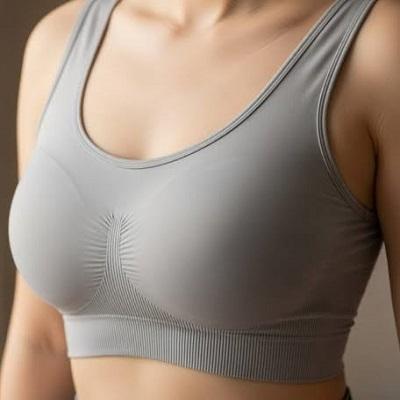
Breast augmentation is a cosmetic surgical procedure that helps women improve breast size, shape, and overall body proportions. Although many women achieve satisfying results after their initial surgery, breast implants and natural breast tissues can change over time. In some situations, the breasts may no longer look or feel as expected, or complications may develop that require additional treatment. This is where breast augmentation revision becomes an important consideration.
For women researching Breast Augmentation in Oman, understanding the possibility of a second surgery can help establish realistic expectations before undergoing the initial procedure. Breast augmentation revision is not necessarily a sign that the first surgery was unsuccessful. It may be recommended because of implant-related complications, changes in personal preferences, ageing, pregnancy, or changes in breast appearance. Knowing when revision surgery is needed, what it involves, and how recovery works can help women make informed decisions about their breast health and appearance.
1. What Is Breast Augmentation Revision Surgery?
Breast augmentation revision is a secondary surgical procedure performed to correct, improve, or change the results of an earlier breast augmentation. It may involve replacing implants, removing them, adjusting their position, correcting breast asymmetry, or addressing complications that have developed after the original operation.
Unlike the first breast augmentation, revision surgery often requires a more individualised approach because the breasts have already undergone surgical changes. Existing scar tissue, implant placement, breast tissue condition, and skin elasticity can all influence the treatment plan.
Common reasons for considering breast augmentation revision include:
-
Dissatisfaction with the original breast size or shape.
-
Changes in implant position.
-
Implant rupture or leakage.
-
Capsular contracture.
-
Noticeable breast asymmetry.
-
Changes in breast appearance following pregnancy or ageing.
-
A desire to replace or remove existing implants.
-
Persistent discomfort or other implant-related complications.
The purpose of revision surgery depends on the individual's concerns. Some women want to restore their previous results, while others wish to achieve a different appearance or address a medical complication.
It is important to understand that revision surgery is not automatically necessary after a certain number of years. Breast implants are not lifetime devices, but replacement is generally considered according to individual circumstances rather than a fixed schedule.
2. What Are the Common Signs That a Second Breast Surgery May Be Needed?
Not every change in breast appearance requires another operation. However, certain symptoms and physical changes may indicate that a professional assessment is necessary.
Changes in Implant Position
Breast implants can sometimes move from their original position. This may cause one breast to appear higher, lower, or more widely spaced than the other.
Implant displacement can occur because of tissue changes, pocket stretching, surgical factors, or other complications. Depending on its severity, corrective surgery may be considered.
Breast Asymmetry
Some degree of natural breast asymmetry is common. However, a noticeable difference that develops after augmentation may be related to implant movement, changes in surrounding tissues, or differences in healing.
Revision surgery may help improve balance when the asymmetry is significant and cannot be addressed through non-surgical management.
Unusual Breast Firmness
One possible complication after breast augmentation is capsular contracture. The body naturally forms scar tissue around an implant, but sometimes this tissue becomes unusually tight and thick.
This can cause the breast to feel firm, appear distorted, or become uncomfortable. More advanced cases may require surgical treatment.
Changes in Breast Shape
Breast appearance can change over time because of ageing, weight fluctuations, pregnancy, and changes in skin elasticity.
In some cases, the implants may remain intact while the surrounding breast tissue changes. A surgical assessment can help determine whether implant replacement, a breast lift, or another approach may be appropriate.
Persistent Discomfort
Ongoing pain, tightness, or unusual sensitivity should not be ignored. Although these symptoms do not always mean revision surgery is necessary, they may indicate an underlying issue that requires medical evaluation.
3. What Are the Main Reasons for Breast Implant Revision?
Several medical and aesthetic factors can lead to a second breast operation. Understanding these reasons helps women recognise that revision surgery is sometimes part of long-term implant management.
Breast Implant Rupture
A breast implant can develop a rupture over time. With saline implants, a rupture generally causes the breast to lose volume as the saline is absorbed by the body.
Silicone implant ruptures may be less noticeable because the silicone gel can remain within the surrounding scar tissue. This is sometimes called a silent rupture.
When a rupture is suspected or confirmed, imaging and professional evaluation help determine whether implant removal or replacement is appropriate.
Capsular Contracture
Capsular contracture is one of the recognised complications of breast implants. It occurs when the scar tissue surrounding an implant tightens excessively.
Symptoms may include firmness, discomfort, changes in breast shape, and distortion. Treatment depends on the severity and may involve surgery to address the capsule and implant.
Implant Malposition
Implant malposition occurs when an implant moves away from its intended position.
It can involve displacement toward the armpit, downward movement, or an unnatural separation between the breasts. Corrective surgery may involve adjusting the implant pocket or using other techniques to improve positioning.
Changes in Personal Preferences
Not all revision procedures are performed because of complications. Some women simply prefer a different breast size, shape, or appearance after living with their original implants.
For example, an individual who initially selected larger implants may later prefer a more subtle and natural appearance.
Natural Changes After Pregnancy or Ageing
Pregnancy, breastfeeding, significant weight loss, and ageing can change breast tissue and skin elasticity.
These changes may affect the appearance of augmented breasts even when the implants remain in good condition. Depending on the individual's goals, a breast lift or implant adjustment may be considered.
4. What Happens During Breast Augmentation Revision?
The revision process begins with a detailed assessment of the existing implants and surrounding breast tissues. Since every patient has a different surgical history, the treatment plan must be tailored to individual needs.
During the consultation, the surgeon generally reviews:
-
The type, size, and placement of existing implants.
-
The date and details of the original surgery.
-
Any previous implant-related complications.
-
Current breast shape and symmetry.
-
Skin elasticity and available breast tissue.
-
Medical history and current symptoms.
-
The individual's expectations for the revised outcome.
Imaging, such as ultrasound or MRI, may be recommended when implant integrity needs to be evaluated.
Depending on the findings, revision surgery may involve several different techniques.
Implant Replacement
Existing implants may be removed and replaced with new ones when there is rupture, damage, or a desire to change implant size or shape.
Implant Removal
Some women decide that they no longer want breast implants. In these situations, removal may be performed, sometimes alongside additional procedures to improve breast appearance.
Capsule Treatment
When capsular contracture is present, the surgeon may recommend releasing or removing some or all of the surrounding scar tissue, depending on the clinical situation.
Implant Pocket Correction
If an implant has shifted, the existing pocket may need adjustment to improve positioning and support.
Breast Lift Alongside Revision
When the breast skin has stretched or the nipples have moved downward, a breast lift may be combined with implant revision or removal.
Not every patient requires all these procedures. The safest and most appropriate approach depends on the underlying concern and the condition of the breast tissues.
5. Is Breast Augmentation Revision More Complicated Than the First Surgery?
Revision breast augmentation can be more technically challenging than an initial breast augmentation. This is because the surgeon must work with tissues that have already undergone surgery and healing.
Scar tissue may affect tissue flexibility, while changes in the implant pocket can influence how new implants are positioned.
Several factors can increase the complexity of revision surgery:
Existing Scar Tissue
Previous surgery creates internal scar tissue that may affect the surrounding structures. The surgeon must carefully evaluate these changes when planning the next procedure.
Changes in Skin Elasticity
Over time, the breast skin may become stretched or less elastic. This can influence the ability to achieve the desired shape, especially when larger implants are being replaced with smaller ones or when implants are removed.
Previous Complications
Patients who have experienced infection, severe capsular contracture, or implant displacement may require a more complex treatment approach.
Individual Healing Differences
Every person heals differently. Medical conditions, previous surgical outcomes, lifestyle factors, and tissue quality can influence recovery.
Although revision surgery may involve additional challenges, careful planning and appropriate surgical techniques can help address many implant-related concerns.
Women should discuss the expected benefits, limitations, and possible complications before deciding to proceed.
6. What Is the Recovery Process After Breast Augmentation Revision?
Recovery after breast augmentation revision varies according to the type and extent of surgery. A relatively straightforward implant exchange may involve a different recovery experience from a procedure that includes extensive capsule treatment or a breast lift.
First Few Days
During the initial recovery period, patients may experience swelling, bruising, tightness, and discomfort around the breasts.
Rest, prescribed medication, and following postoperative instructions are important during this stage.
First Few Weeks
Swelling and tenderness generally begin to improve. However, patients may need to limit strenuous activity, heavy lifting, and upper-body exercise.
Supportive garments may be recommended to help protect the surgical area and support healing.
Longer-Term Healing
The breasts gradually settle as swelling decreases and the tissues recover. Follow-up appointments allow the surgical team to assess healing, implant position, and the overall outcome.
Patients should not rush back into physical activity before receiving appropriate medical guidance.
Any sudden swelling, fever, increasing redness, severe pain, or unusual breast changes should be reported promptly.
7. How Can Women Reduce the Need for Future Breast Revision Surgery?
Although no approach can guarantee that another surgery will never be needed, several steps can support better long-term implant management.
Choose Appropriate Implant Size
Selecting implants that complement natural breast anatomy can help avoid excessive tissue stretching and unwanted aesthetic results.
Understand Implant Limitations
Breast implants are not lifetime devices. Women should understand that future monitoring, replacement, or removal may become necessary.
Attend Regular Follow-Up Appointments
Routine clinical assessments help monitor implant condition and identify possible complications.
Follow Imaging Recommendations
Depending on implant type and medical guidance, ultrasound or MRI screening may be recommended to evaluate silicone implant integrity.
Maintain a Stable Lifestyle
Significant weight changes, smoking, and certain lifestyle factors can affect breast tissues and recovery. Maintaining healthy habits may support overall surgical outcomes.
Report Unusual Symptoms Early
Changes in breast shape, persistent discomfort, swelling, or unusual firmness should be evaluated rather than ignored.
Ultimately, long-term satisfaction depends on realistic expectations, appropriate implant selection, professional follow-up, and awareness of possible complications.
Frequently Asked Questions About Breast Augmentation Revision
1. How do women know when breast augmentation revision is needed?
Revision may be considered when there is implant rupture, capsular contracture, implant displacement, significant breast asymmetry, persistent discomfort, or dissatisfaction with the original results. A professional assessment is necessary to determine whether another operation is appropriate.
2. How long after the first breast augmentation can revision surgery be performed?
There is no single waiting period for every situation. Elective revision is often considered after the initial tissues have healed and the results have stabilised. However, complications such as implant rupture or infection may require earlier medical attention and treatment.
3. Is breast augmentation revision more painful than the first surgery?
The level of discomfort depends on the extent of revision surgery. A simple implant exchange may involve less discomfort than a procedure requiring extensive scar tissue removal or breast lifting. Pain management and recovery instructions are tailored to the individual.
4. Can breast implants be removed without replacing them?
Yes. Women can choose to have their implants removed without replacement. Depending on skin elasticity, breast tissue, and implant size, additional procedures such as a breast lift may be discussed to improve the appearance of the breasts after removal.
5. How long do results from breast augmentation revision last?
Results can last for many years, but they are influenced by ageing, pregnancy, weight changes, skin elasticity, and implant condition. Since implants are not lifetime devices, ongoing monitoring remains important.
6. Does breast augmentation revision always require new implants?
No. Revision surgery does not always involve replacing implants. Depending on the individual's needs, the procedure may involve implant removal, correction of implant position, capsule treatment, or a breast lift. The appropriate option depends on the medical findings and desired outcome.
Read More About Breast Augmentation: https://drukarnia.com.ua/articles/are-you-a-good-candidate-for-breast-augmentation-surgery-XfmNW

 English
 Arabic
 Spanish
 Portuguese
 Deutsch
 Turkish
 Dutch
 Italiano
 Russian
 Romaian
 Portuguese (Brazil)
 Greek