


Laser Light Therapy for Horses: Practical Guide to Better Horse Health
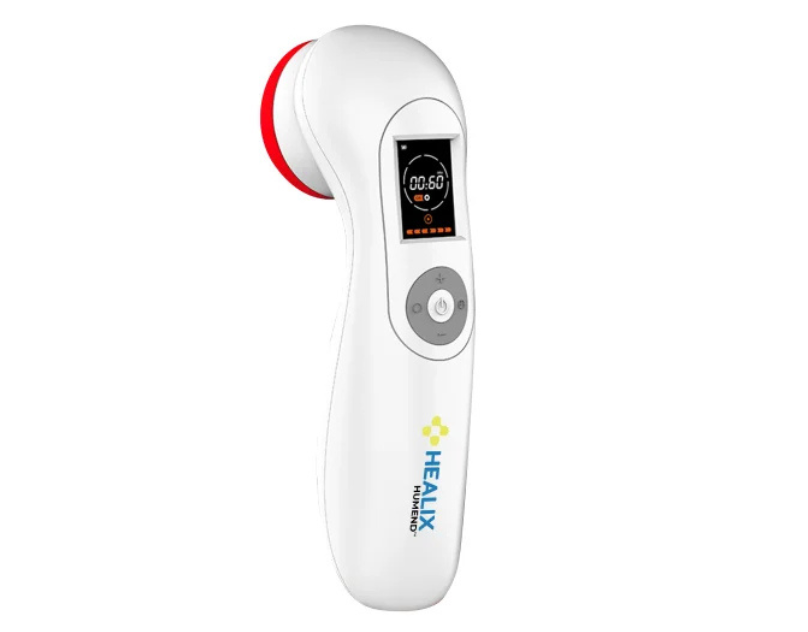
Horses need proper care to maintain their strength, comfort, and performance. Whether they participate in competitions, regular training, or recreational riding, their bodies experience physical stress. Muscle fatigue, soft-tissue injuries, and joint discomfort can affect their daily activities and overall well-being. This is why modern equine care increasingly explores advanced treatment options.
Laser light therapy for horses is one technology gaining attention among horse owners, trainers, and veterinary professionals. It uses specific wavelengths of light as part of a targeted care approach. When selected and applied appropriately, laser therapy may complement a horse's rehabilitation and wellness program.
Let's explore how this technology works, its potential benefits, and what horse owners should consider before choosing an equine laser device.
What Is Laser Light Therapy for Horses?
Laser light therapy is a non-invasive treatment approach that uses controlled light energy directed toward selected areas of the body. Depending on the device, it may use different wavelengths and treatment settings to support specific care applications.
This technology is commonly discussed in equine rehabilitation and veterinary care because horses can experience physical stress from exercise, repetitive movement, and injuries.
Unlike traditional approaches that may involve medication or invasive procedures, laser therapy does not require surgery. However, it should always be used as part of an appropriate veterinary care plan rather than as a replacement for professional treatment.
How Does Equine Laser Therapy Work?
Laser devices deliver light energy to targeted areas of the horse's body. Different wavelengths interact with biological tissues in different ways.
The effects depend on several factors, including the device, wavelength, treatment settings, application area, and individual animal.
1. Supports Muscle Recovery
Horses involved in demanding training sessions can experience muscle fatigue. Laser therapy may be considered as a complementary option in recovery programs designed to support muscle comfort after physical activity.
2. Helps Address Soft-Tissue Care
Tendons and ligaments are important for a horse's movement and stability. These structures can experience considerable stress during jumping, racing, and other athletic activities.
Laser therapy may be included in a veterinarian-supervised rehabilitation plan for certain soft-tissue conditions.
3. Supports Targeted Treatment
Modern equine laser devices offer different treatment settings for specific anatomical areas. This makes it possible to follow a more structured approach instead of using identical settings for every part of the horse's body.
Key Benefits of Laser Light Therapy for Horses
Horse owners often look for treatment options that support comfort, mobility, and long-term wellness. Laser therapy offers several features worth understanding.
Non-Invasive Treatment Approach
Laser therapy does not involve surgical procedures. It can be incorporated into selected equine care programs without requiring an invasive treatment method.
Targeted Equine Care
Advanced devices provide different programs for areas such as the feet, hocks, back, shoulders, knees, and tendons. These options help users follow device-specific treatment guidance.
Convenient Barn-Side Application
Portable, rechargeable laser devices allow suitable treatments to be performed at the barn. This can make it easier for horse owners and trained professionals to incorporate approved sessions into regular care routines.
Flexible Treatment Options
Some professional devices offer multiple wavelengths and adjustable treatment settings. This allows users to select programs according to the device instructions and veterinary recommendations.
What Features Should You Look for in an Equine Laser Therapy Machine?
Choosing the right equipment is important for safe and effective use. Not every laser device offers the same technology or treatment options.
Consider these features before purchasing:
-
Multiple wavelengths: Different wavelengths offer different light characteristics and applications.
-
Veterinarian-created protocols: Guided programs can help users follow structured treatment instructions.
-
Portable design: A rechargeable handheld device is useful for barn-side applications.
-
Adjustable sessions: Flexible treatment durations allow users to follow the appropriate device settings.
-
Easy controls: Clear touchscreen controls can make operating the equipment more convenient.
-
Safety instructions: Protective eyewear, operating guidelines, and contraindications should be clearly explained.
A reliable device should also come with manufacturer support and clear documentation.
Why Consider the Healix Questrian Pro Equine Laser?
The Healix Questrian Pro is designed specifically for equine care. It combines multi-wavelength technology with veterinarian-created treatment protocols to provide a guided approach to horse wellness.
According to the manufacturer's product information, its key features include:
-
Four wavelengths: 470, 635, 850, and 905 nm.
-
Twelve veterinarian-created equine protocols.
-
Continuous-wave and pulsed treatment options.
-
Adjustable treatment sessions.
-
Portable and rechargeable handheld design.
-
Touchscreen controls.
-
Carrying case, charging cable, and program guides.
-
One-year manufacturer warranty and lifetime technical support.
Its twelve protocols cover areas and care applications including feet, hocks, tendons and ligaments, wounds, edema and congestion, shins and fractures, muscle fatigue, soft-tissue injuries, back and shoulders, stifles, knees, and fetlocks.
These protocol names describe available device settings. They do not mean that every condition is suitable for laser treatment. Veterinary assessment remains essential, particularly for fractures, infections, wounds, and tendon or ligament injuries.
Safety Tips Before Using Laser Therapy on Horses
Safety should always come first when introducing new technology into an equine care routine.
Follow these important precautions:
-
Consult a veterinarian before starting laser treatment.
-
Read the manufacturer's operating instructions carefully.
-
Always use the recommended protective eyewear.
-
Never direct the laser toward the horse's eyes.
-
Follow the recommended treatment settings and session duration.
-
Do not use laser therapy as a substitute for diagnosing or treating serious injuries.
A veterinarian can help determine whether laser therapy is appropriate and how it may fit into a complete rehabilitation program.
Final Thoughts
Modern equine care continues to evolve, giving horse owners access to new technologies that can complement traditional veterinary practices. Laser light therapy for horses offers a targeted, non-invasive approach that may support selected recovery and wellness programs when used correctly. Choosing suitable equipment, following safety instructions, and working with a veterinarian are essential for responsible use. Healix Lasers offers the Questrian Pro equine laser, combining multiple wavelengths, twelve veterinarian-created protocols, and portable technology to support a more structured approach to equine care.
Frequently Asked Questions (FAQs)
1. What is laser light therapy for horses used for?
It is used as a complementary treatment approach in selected equine care programs involving muscle fatigue, soft-tissue concerns, and other veterinarian-assessed conditions.
2. Is laser therapy safe for horses?
Laser therapy can be used appropriately when the device instructions and safety precautions are followed. Veterinary guidance and suitable protective eyewear are important.
3. Can horse owners use an equine laser therapy machine at home?
Yes, certain devices are designed for owner use. For example, the Healix Questrian Pro includes twelve veterinarian-created protocols. Owners should receive veterinary guidance and follow the manufacturer's instructions.
4. What should I consider when buying a horse laser therapy machine?
Look for suitable wavelengths, veterinarian-created protocols, adjustable treatment settings, portability, safety instructions, warranty coverage, and reliable technical support. Always choose equipment that matches your horse's care requirements.

 English
 French
 Spanish
 Portuguese
 Deutsch
 Turkish
 Dutch
 Italiano
 Russian
 Romaian
 Portuguese (Brazil)
 Greek